Uluru Spiritual Value (Local Guide on How to Get to Uluru)


Located in the heart (centre) of Australia, Uluru is one of the most iconic places in the world and is a must-visit place for anyone who is a cultural enthusiast.
Uluru holds immense spiritual significance for the Anangu people, the traditional custodians of the land.
I have been a resident of Australia for close to a decade and have visited Uluru multiple times. My visits have deepened my appreciation for its incredible natural beauty and the rich Aboriginal culture it represents.
In this post, I will provide a comprehensive travel guide on how to get to Uluru and its spiritual significance.
Spiritual Significance of Uluru
Uluru holds a special significant place among the Anangu people, the traditional custodians of the land.
The name Uluru is derived from the Pitjantjatjara language of the Anangu people, where the name has no specific meaning but is deeply connected to the land’s essence.
Its former colonial name, Ayers Rock, was given in 1873 by European settlers but has since been replaced by its traditional name to honour Aboriginal heritage.
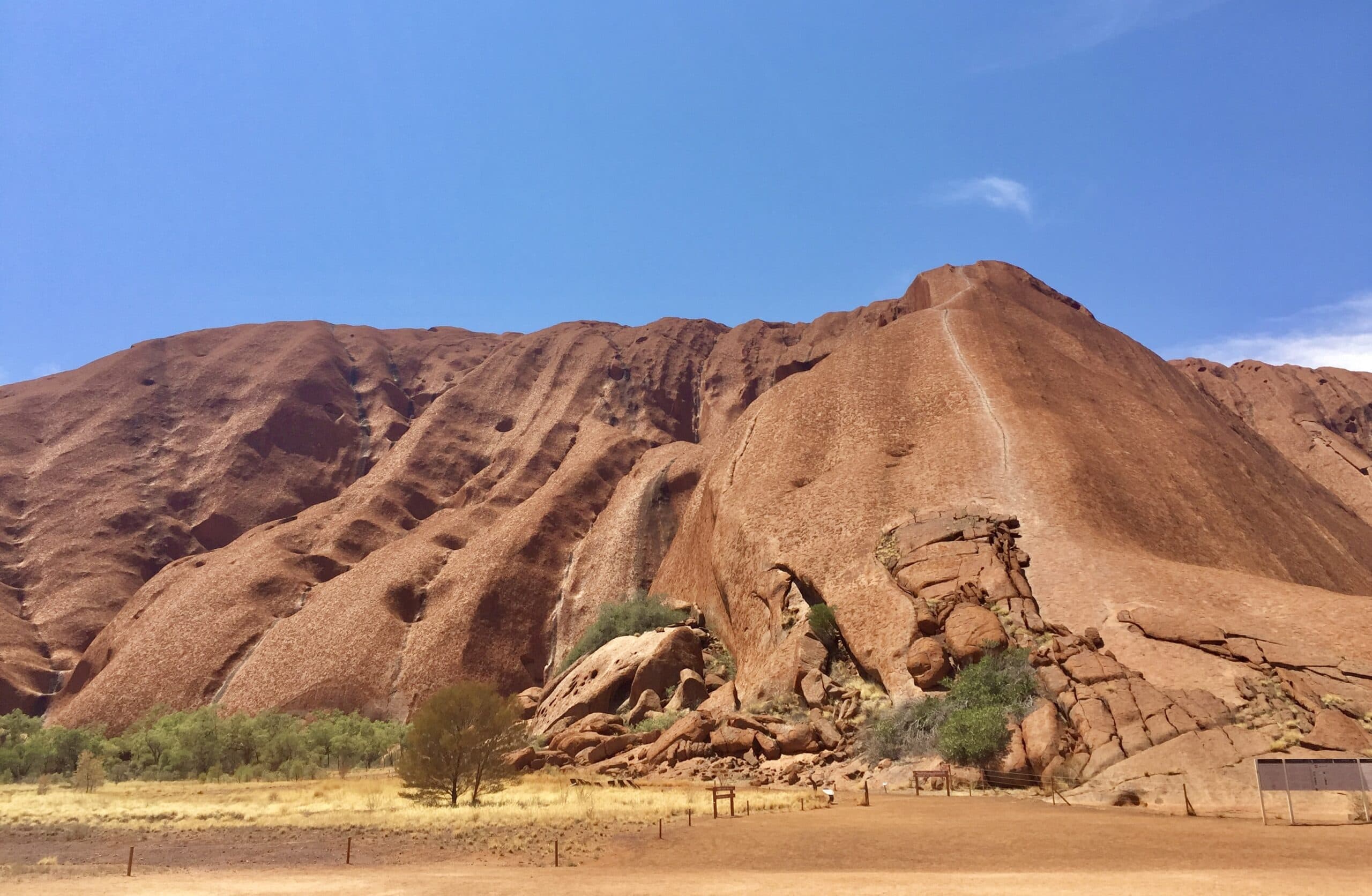
Estimated to be around 550 million years old, this ancient sandstone monolith is a geological wonder and a spiritual symbol.
For the aboriginal people, Uluru represents a living cultural landscape with their ancestral and elders’ stories. The landmark is deeply intertwined with Tjukurpa, their creation stories.
These stories tell of elders’ beings who shaped the land, leaving their spirit in Uluru. The rock is considered as a sacred site linked to a story that is passed down for generations.
They symbolise the enduring connection between people, land, and spirituality.

What Is the Significance of Uluru to Indigenous Culture?
Uluru plays a very important role, both spiritually and culturally, among the Anangu people.
The site is central to their spiritual beliefs, known as Tjukurpa, which incorporates their rules, laws, stories, and connection to the land. The rock is seen as a living entity, carrying the spirits of their ancestors.
These people were the elders’ who have passed on and were responsible for shaping the land.
Uluru’s features such as caves, waterholes, and fissures are linked to the ceremonies and stories.
One of the beautiful examples that showcase the story of the Mala people, mythical ancestors of the Anangu people, and their journey is the Mala Walk at Uluru.
The walk passes through the caves, where the Mala people camped and stayed when they first arrived in Uluru, and through the rock art.
These rock art and paintings are the records of the spiritual teachings and knowledge passed down through tens of thousands of years.
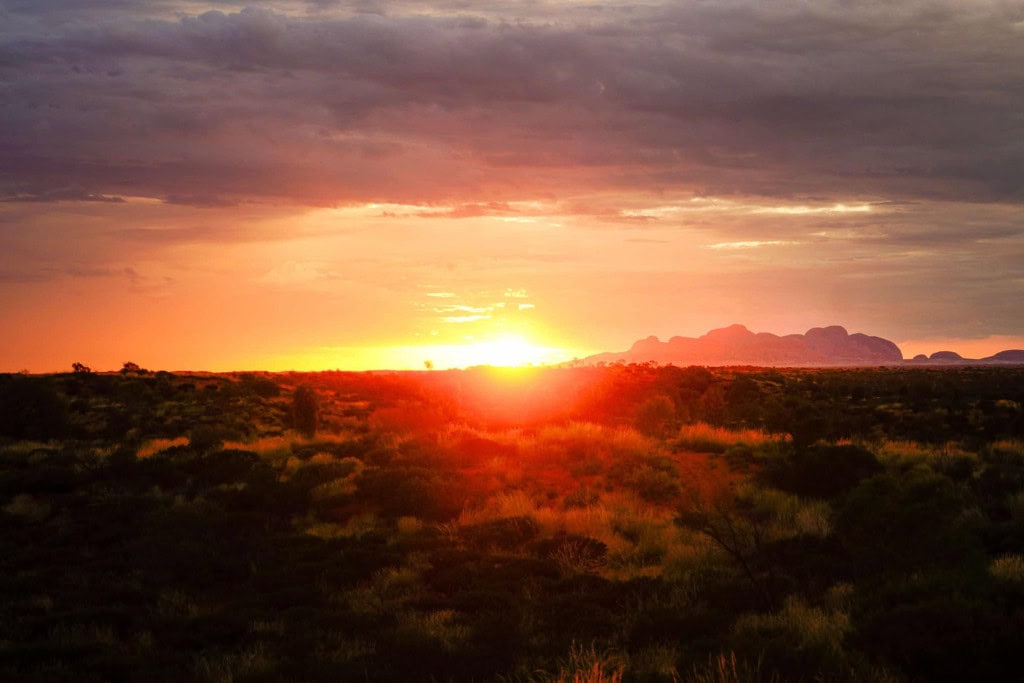
Where Is Uluru Located?
Uluru is situated in the southern part of the Northern Territory of Australia. It is within the Uluru- Kata Tjuta National Park and lies approximately 450 kilometres southwest of Alice Springs.
The area is surrounded by the Australian Outback.
(uluru google maps)
How to Get to Uluru
Uluru is pretty straightforward to get to. There are many transportation options, depending on which location you are travelling from.
A. Flying
The fastest way to reach Uluru is by flying into Ayers Rock Airport (also called Connellan Airport). The airport is located just 20 minutes from Uluru (the rock).
Direct flights are available from major Australian cities like Sydney, Melbourne, Brisbane, and Adelaide.
Once you land, you can use one of these options to get to the town centre: rental cars, shuttle buses, or guided tours.
B. Driving
Driving along the Australian Outback is in itself an adventure everyone must take. The vast and dry area is one of the most scenic routes in the country.
- From Sydney to Uluru: The drive from Sydney to Uluru is about 2,800 kilometres and takes approximately 30 hours. It’s ideal to break the journey into multiple days and plan stops at key outback destinations like Broken Hill or Coober Pedy.
- Melbourne to Uluru: This road trip from Melbourne to Uluru spans around 2,300 kilometres, taking about 25 hours. You can stop in Adelaide and explore regional highlights like the Flinders Ranges or at Coober Pedy.
- Adelaide Uluru Road Trip: One of the shortest drives, at about 1,600 kilometres, around 17 hours, this route from Adelaide to Uluru passes through Coober Pedy, offering unique Outback experiences.
- Perth to Uluru: Covering approximately 2,000 kilometres, the route from Perth to Uluru takes around 25 hours. It’s recommended for experienced road trippers as the Outback stretches are long and remote.
- Brisbane to Uluru Drive: This journey from Brisbane to Uluru is about 3,200 kilometres and the journey takes 35 hours. Ensure to take breaks during the journey, especially in Toowoomba, Lightning Ridge, and Alice Springs.
Public Transport
There are not many options to go to Uluru via public transport.
- Greyhound operate coaches between Uluru and Alice Springs. This is a budget-friendly way to get to Uluru.
- While no train goes directly to Uluru, you can take The Ghan from Adelaide or Darwin to Alice Springs. From there, you’ll need to drive or take a bus for the remaining 450 kilometres to Uluru.
Personal Experience in Uluru
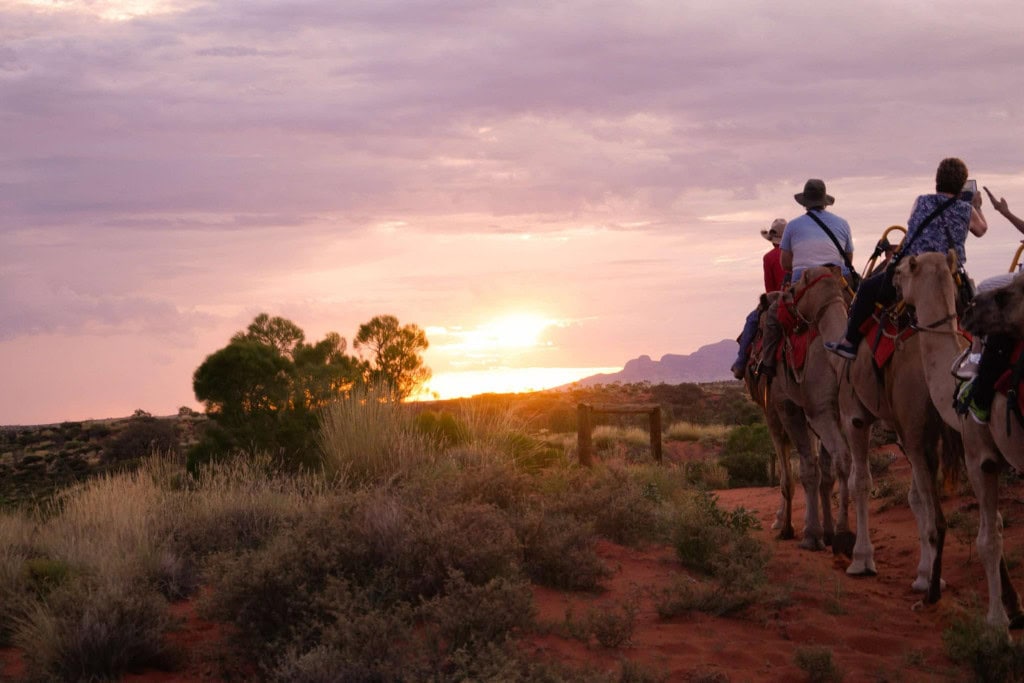
I have visited Uluru multiple times, and each trip has been a unique and magical experience.
There is something truly special about this place that keeps drawing me back. The first time I visited, it was a solo trip, and I was completely mesmerised. Seeing the massive red rock for the first time, surrounded by the vastness of the Outback, left me speechless.
I joined cultural walks and tours, learned about the Anangu people’s stories, and admired the sacred rock formations.
The spiritual aura of Uluru was undeniable, it made me feel connected to something that I cannot explain.
One of the highlights was stargazing at night. The clear skies displayed the Milky Way in all its glory, an experience I will never forget. The stargazing tour shared stories of stars and their connection to Aboriginal culture.
On that solo trip, I also met other travellers and spoke to locals, which added so much depth to my journey. It felt like there were countless stories waiting to be uncovered in every corner of this land.
Over the years, I’ve returned to Uluru alone, with friends, and even for extended stays. Each visit has brought a different perspective and renewed appreciation for the red centre of Australia.
Every moment I have spent here has felt meaningful. Uluru is a place that never loses its charm, and I know I’ll continue going back whenever I get the chance. It’s truly a magical destination for me.
FAQ: Interesting Facts About Uluru
Is Uluru the Biggest Rock in the World?
The short answer is no. While Uluru is one of the largest monoliths in the world, it is not technically the biggest. The largest rock in the world is Mount Augustus in Western Australia.
How Uluru Formed?
Uluru was formed around 550 million years ago when ancient sands and minerals settled on the ocean floor, eventually forming layers of sandstone.
Over time, tectonic forces pushed the rock upward, creating the iconic monolith. Erosion over millions of years shaped its distinct rounded form.
The rich red colour comes from iron oxide in the sandstone, which has rusted over time.
How Does Uluru Change Colour?
Uluru changes colour throughout the day due to the angle of the sun and the minerals in the rock.
During sunrise and sunset, the rock´s rich red hue deepens and intensifies, creating a breathtaking display of vibrant oranges, reds, and gold.
This occurs because of the iron oxide in the sandstone, which reacts to the changing light.
Can You Climb Uluru?
Climbing Uluru is no longer allowed. The climb was officially banned on October 26, 2019, in respect of the wishes of the Anangu people, the traditional custodians of the land.
The Climbing Uluru banned was put in place to protect the spiritual and cultural significance of Uluru, as well as to ensure the safety of visitors.
How High is Uluru in Metres and Feets?
Uluru is 348 metres (1,142 feet) above ground. While its height is significant, its full size is also reflected in its length and circumference, which together is massive.
Best Time to Visit Uluru?
The best time to visit Uluru is during the cooler months, from April to October.
During these months, temperatures are more comfortable for outdoor activities, with daytime temperatures ranging from 20 to 30 degrees Celsius (68 to 86 degrees Fahrenheit) and cooler evenings.
Avoid visiting Uluru during the summer season as the days are extremely hot.
Wrap-Up: Spiritual Significance of Uluru
Uluru is a geological wonder and also a spiritual symbol of connection to the land, the ancestors, and the Dreamtime.
For visitors, the landmark offers an opportunity to engage with Aboriginal culture and learn about the deep significance the rock holds for its custodians.
Respecting Uluru’s sacredness, such as refraining from climbing it, allows all to appreciate its cultural richness and spiritual atmosphere.
For thousands of years, it has been a sacred site, rich in creation stories and spiritual meaning.
The rock is seen as a living entity, with each part of the landscape linked to ancestral beings and creation events. Its sacredness is reflected in the many cultural practices, rituals, and stories associated with it.

Author: Raksha Nagaraj
Raksha is a solo female traveller and adventure enthusiast passionate about exploring the world. Based between Bangalore and Sydney, she has travelled to 53 countries across all seven continents.
A certified Rescue Scuba Diver, Raksha dives into adventurous activities such as trekking and underwater exploration. Transitioning from a career in IT as a Product Manager, she is now a full-time content creator, sharing her travel stories and insights through her blogs, Solopassport, focused on solo female and adventure travel, and Let’s Travel Sydney, highlighting the culture and experiences in Sydney.
Sabiduri Planning Guide
🧘🏽♀️Where to find spiritual retreats around the World?
The good news is that they can be found in various locations, from secluded places in nature to bustling cities. Find your ideal retreat here!
🚑 Should you buy a travel insurance?
100% YES! — With basic coverage averaging just $50 for your stay, enjoy peace of mind with a plan from Travel SafetyWing, one of the biggest names in travel insurance.
🚗 Is it safe to rent a car around the World?
Yes — Renting a car is one of the best ways to see the country you find yourself in because public transportation cannot reach everywhere! I always rent with Discover Cars, which checks both international companies and local companies, so you get the best rates.
📴 Will my phone work abroad?
Maybe — It depends on your company, so check with your provider. If you don’t have a free service, buy a SIM Card once landed in the country.
🛌🏼 What’s the best way to book my accommodations?
For hotels, Booking is the best site, but for hostels, use Hostel World. If you’re considering Flats, don’t forget to also check Couchsurfing, which is free and you stay with locals.
🛩️ What’s the best site to buy flights?
For finding cheap flights, I recommend Kayak.
🛂 Do I need a visa for these destinations?
Likely Not — U.S., Canadian, and most European Passport holders don’t need a visa for most of destination around the World. BUT check here for more travel requirements. The majority of travelers will receive a 90-Day stamp Tourist Visa upon arrival.