Is Patagonia Worth Visiting? My Trip to Argentina & Chile

Is Patagonia Worth Visiting? Absolutely.
Patagonia had been on my list for years, but it always felt just out of reach—a legendary mountain region everyone dreams of exploring.
You’ve probably seen it too, with brands like North Face and Patagonia drawing inspiration from its rugged beauty.
Finally, I made it to Argentine Patagonia this year, and I have to say, it was love at first sight. In this guide, I’ll walk you through why Patagonia is worth visiting, how to get there, and the best spots to experience its jaw-dropping landscapes firsthand.
This unique retreat blends the serenity of yoga with the adventure of hiking, offering a perfect balance for mind, body, and spirit.
Reconnect with nature as you traverse stunning trails, practice yoga amidst awe-inspiring vistas, and find inner peace in one of the world’s most pristine environments.
Why is Patagonia Worth Visiting?
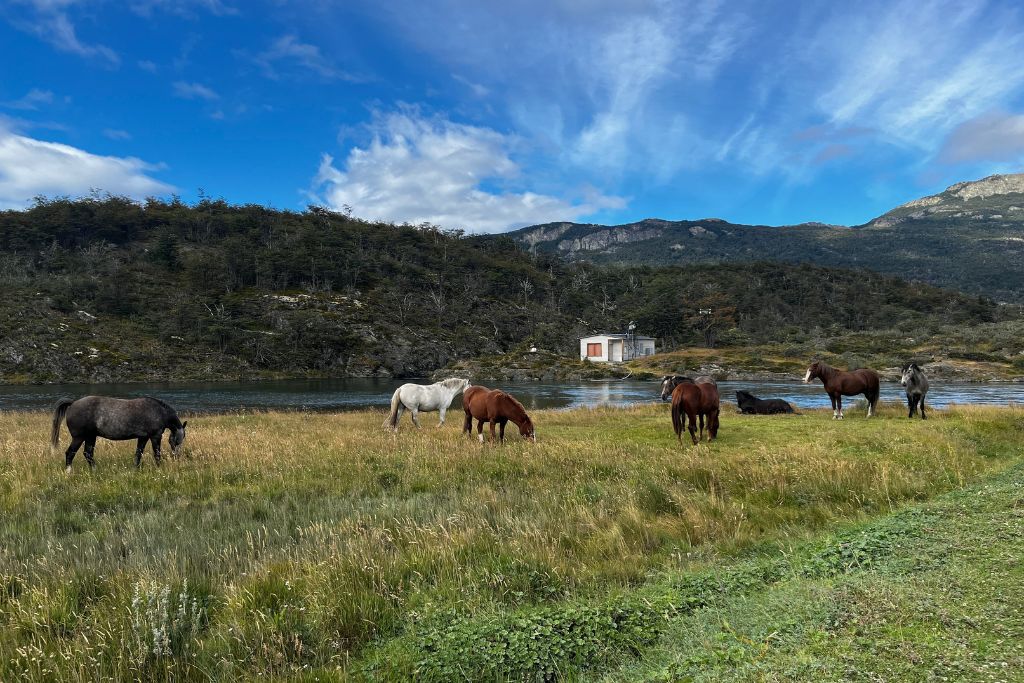
Patagonia is one of those great places that feels like stepping into another world. The landscapes are nothing short of surreal, from the towering peaks of the Andes to the endless stretches of steppe.
But it’s not just about the views—Patagonia offers some of the world’s best hiking and trekking. Trails like Torres del Paine and Fitz Roy are legendary, drawing adventurers from all over the globe.
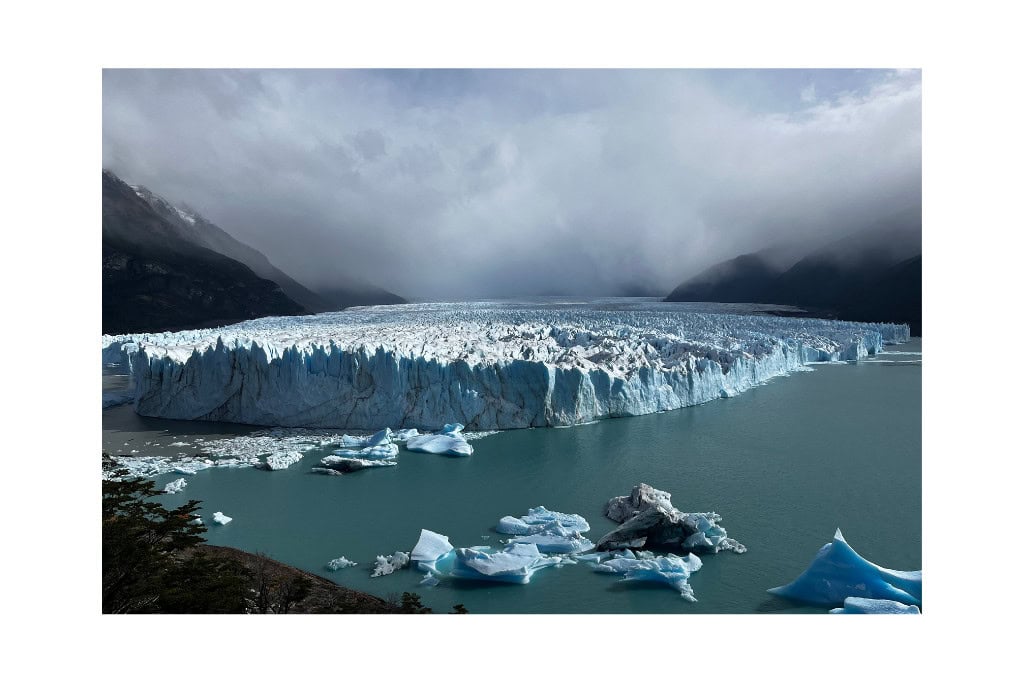
If glaciers are your thing, Patagonia’s got you covered with Perito Moreno, one of the most impressive glaciers on Earth.
But there’s more. Imagine walking alongside penguins, navigating chilean fjords, or exploring the Marble Caves’ vibrant blue waters.
Whether it’s sipping craft beer in a cozy town or experiencing a traditional asado (Argentine BBQ), Patagonia delivers an authentic experience.
And if you’re looking for bragging rights, visiting Ushuaia, known as the “End of the World,” or using Patagonia as a gateway to Antarctica will certainly do the trick.
Where is Patagonia Located?
Patagonia is a vast region shared by Argentina and Chile, located at the southern tip of South America.
It covers over 1 million square kilometers and includes diverse landscapes such as steppes, deserts, glaciers, glacial lakes, and the Andes Mountains.
To the east, Patagonia is bordered by the Atlantic Ocean, and to the west, by the Pacific Ocean.
The region ends at Tierra del Fuego, often called the “End of the World.” Known for its pristine wilderness, Patagonia is a paradise for hikers and nature lovers seeking unspoiled beauty.
How to Get to Patagonia?
Getting to Patagonia depends on where you’re coming from and how you prefer to travel. Here are the main options:
OVERLAND FROM ARGENTINA
You can also travel overland from Bariloche to El Chalten, a popular route for those starting on the Argentine side.
FLYING TO PATAGONIA
Most travelers fly into Patagonia from Santiago, Chile, or Buenos Aires, Argentina. From there, you can catch domestic flights to key cities like El Calafate, Punta Arenas, Puerto Montt, or Ushuaia, depending on your starting point.
TRAVELING BY BUS OR FERRY
If you prefer a more scenic (and budget-friendly) option, buses and ferries connect different parts of Patagonia. For example, from Puerto Montt in Chile, you can take an overnight ferry to Chaitén to explore the Carretera Austral.
Best Places to Visit in Patagonia
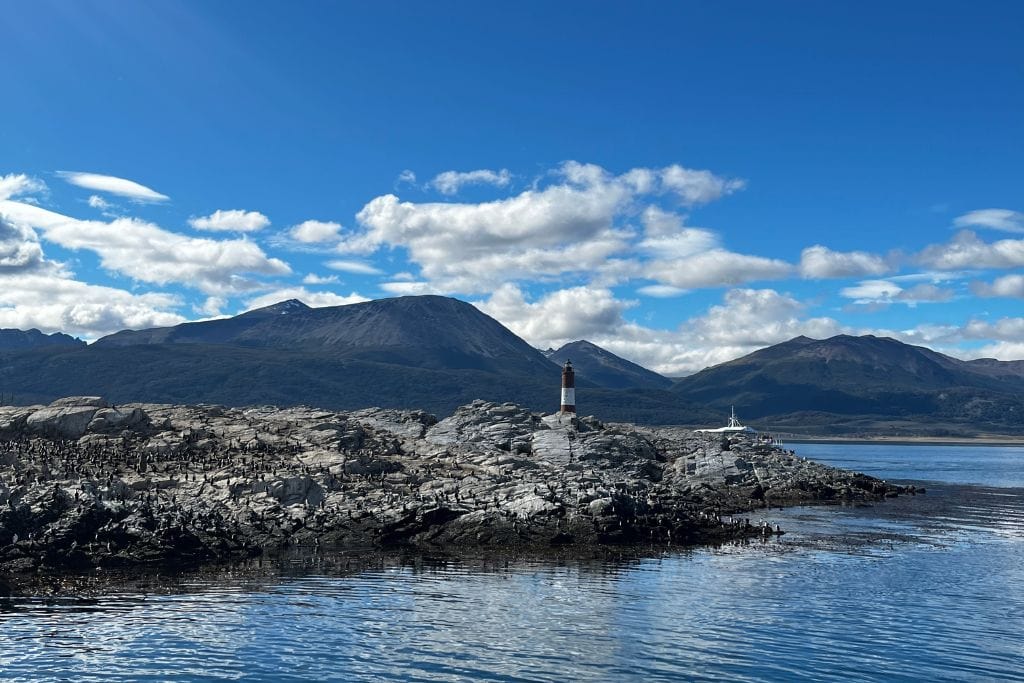
#1. PERITO MORENO GLACIER
This massive grey glacier in Los Glaciares National Park is one of the most famous main attractions in Patagonia. Watching huge chunks of ice break off and crash into the lake below is an unforgettable experience.
#2. TORRES DEL PAINE NATIONAL PARK
Home to some of the world’s best hiking trails, this park boasts breathtaking granite towers, turquoise lakes, and sweeping valleys. Whether you’re trekking or just soaking in the views, it’s a must-see.
#3. PENINSULA VALDES
A UNESCO World Heritage site, this peninsula is a haven for wildlife lovers. Depending on the season, you can spot southern right whales, magellanic penguins, seals, and more.
#4. CARRETERA AUSTRAL
Known as one of the most beautiful roads in the world, the Carretera Austral takes you through dense forests, glacial rivers, and remote villages. It’s a true road trip unique adventure.
#5. THE MARBLE CAVES
These stunning caves, with their swirling blue patterns, are a hidden gem of Patagonia. You can explore them by boat, and they’re as magical as they sound.
#6. USHUAIA
The southernmost city in the world, Ushuaia, is not just a bucket-list item; it’s a gateway to Antarctica and offers incredible views of the Beagle Channel and surrounding snow-capped mountains. It’s also home to Tierra del Fuego National Park.
Best Time to Visit Patagonia

The best time to visit Patagonia is during the Southern Hemisphere’s summer months, from December to February.
This time of year is when the weather is warmer, with temperatures averaging around 22°C, making it ideal for hiking and outdoor activities.
However, keep in mind that Patagonia’s weather can be unpredictable, and you might experience all four seasons in one day.
If you prefer fewer crowds and lower prices, consider visiting in the shoulder season aka late spring (October-November) or early autumn (March-May). While winter (June-September) offers solitude, many roads and trails may be impassable due to heavy snowfall.
How to Get Around?
Getting around Patagonia depends on your budget and schedule. Here are the most common options:
#A. TOURS
If you want a hassle-free experience, organized tours are available. They can be pricey but include local guide and allow you to see the top spots on day trips without worrying about logistics.
#B. PUBLIC TRANSPORT
Buses are a budget-friendly way to travel, but schedules can be irregular, especially outside of the high season. Planning ahead is essential, as buses between popular destinations like El Calafate and Puerto Natales can sell out.
#C. RENTING A CAR
For flexibility and comfort, renting a car is the best option. You can explore at your own pace, but make sure to book well in advance, especially during peak season.
What to Pack?
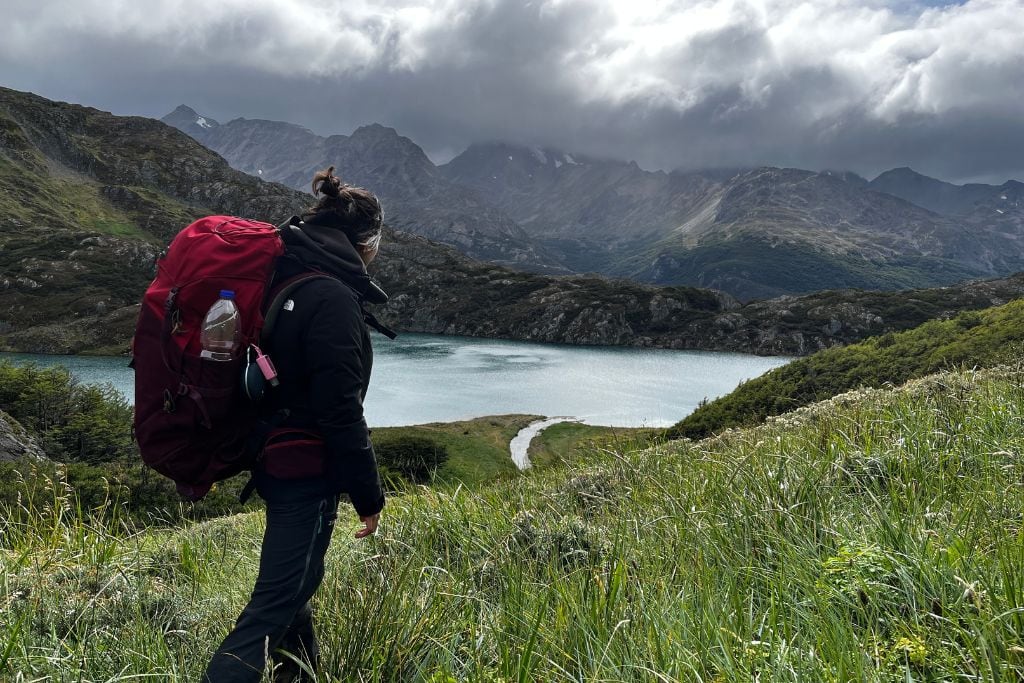
Patagonia’s weather is unpredictable, so it’s essential to pack layers.
Bring a waterproof jacket, a warm fleece, and moisture-wicking base layers. For hiking, comfortable and sturdy boots are a must.
Don’t forget sunscreen (I believe the ones for kids work always the best), sunglasses (be stylish out there), and a good hat, as the sun can be intense. Also, pack a refillable water bottle and a small daypack for your hikes.
Where to Stay?
Since I visited El Chaltén, I can only recommend accommodation options there:
Luxury: Don Los Cerros Boutique Hotel & Spa – This upscale hotel offers stunning views, spacious rooms, and a relaxing spa—ideal for those looking to splurge on comfort after an adventure.
Budget: Hostería El Parador – A simple, affordable guesthouse offering cozy rooms and a great location near hiking trails.
Mid-range: Cumbres Nevadas Hotel – A charming, comfortable hotel with modern amenities and friendly service, perfect for winding down after a long hike.
Personal Experience in Patagonia
I spent two weeks slowly traveling through Argentina, including two weeks in Patagonia.
One of the highlights was hiking the trail to Laguna de los Tres below Fitz Roy in El Chaltén. The towering peaks were even more awe-inspiring in person than in photos.
I remember spending hours just sitting by the glacial lake, taking in the view.
Patagonia’s wild and unpredictable weather kept things interesting—one moment I was basking in the sun, and the next, pulling on my jacket against the fierce strong winds.
Patagonia truly felt like a place where nature rules, and that’s what made it so unforgettable.
FAQs: Why Visit Patagonia?
Is Patagonia Safe to Visit?
Yes, Patagonia is generally safe to visit. The region is remote but well-traveled, especially in popular hiking areas like El Chaltén and Torres del Paine.
While the weather can be unpredictable, crime rates are low, and most visitors feel secure. Always follow local advice and be prepared for changing conditions.
How to See Patagonia?
The best way to see Patagonia is by hiking, driving, or joining tours. For flexibility, renting a car is ideal, while public buses offer a budget-friendly alternative.
You can also join organized guided tour to explore remote areas without worrying about logistics. Don’t miss highlights like Mount Fitz Roy, Perito Moreno Glacier, and Torres del Paine.
Animals in Patagonia?
Patagonia is home to unique wildlife like guanacos, Andean condors, and pumas. Along the coasts, you can spot penguins, sea lions, and whales, especially around Peninsula Valdes.
While encounters with wildlife are common, it’s important to respect their habitat and follow guidelines for observing animals safely and responsibly.
This unique retreat blends the serenity of yoga with the adventure of hiking, offering a perfect balance for mind, body, and spirit.
Reconnect with nature as you traverse stunning trails, practice yoga amidst awe-inspiring vistas, and find inner peace in one of the world’s most pristine environments.
Wrap Up: Is Patagonia Worth Visiting?
In short, Patagonia is absolutely worth visiting. Its stunning landscapes, world-class hiking trails, and unique wildlife make it a destination like no other.
Whether you’re trekking through the Andes, visiting glaciers, or spotting penguins, Patagonia offers an adventure for every traveler.
While the weather conditions can be unpredictable, being prepared ensures a smooth trip. Ready to start planning your adventure to Patagonia?

Author: Hira Piracha
Hira is the founder of Musafir In Transit. After leaving her corporate job to pursue her passion for travel, she has explored over 30 countries, embracing life on the road.
A Pakistani native, Hira shares her love for hiking, the outdoors, and travel, inspiring others to step out of their comfort zones and explore the world.
Sabiduri Planning Guide
🧘🏽♀️Where to find spiritual retreats around the World?
The good news is that they can be found in various locations, from secluded places in nature to bustling cities. Find your ideal retreat here!
🚑 Should you buy a travel insurance?
100% YES! — With basic coverage averaging just $50 for your stay, enjoy peace of mind with a plan from Travel SafetyWing, one of the biggest names in travel insurance.
🚗 Is it safe to rent a car around the World?
Yes — Renting a car is one of the best ways to see the country you find yourself in because public transportation cannot reach everywhere! I always rent with Discover Cars, which checks both international companies and local companies, so you get the best rates.
📴 Will my phone work abroad?
Maybe — It depends on your company, so check with your provider. If you don’t have a free service, buy a SIM Card once landed in the country.
🛌🏼 What’s the best way to book my accommodations?
For hotels, Booking is the best site, but for hostels, use Hostel World. If you’re considering Flats, don’t forget to also check Couchsurfing, which is free and you stay with locals.
🛩️ What’s the best site to buy flights?
For finding cheap flights, I recommend Kayak.
🛂 Do I need a visa for these destinations?
Likely Not — U.S., Canadian, and most European Passport holders don’t need a visa for most of destination around the World. BUT check here for more travel requirements. The majority of travelers will receive a 90-Day stamp Tourist Visa upon arrival.