How to Get to the Lost City Colombia? My Personal Experience in 2026!

Have you been wondering how to get to the Lost City in Colombia? We’re Divinely Guided!
My name is Lily, the pink-geared hiking girl behind the Flamingo Hiker account. I recently completed the incredible Lost City trek in Colombia. French-born and based in the UK, I have been hiking since 2019, primarily exploring local trails.
However, since the reopening of travel following the pandemic, I have ventured beyond the borders and embraced international adventures.
Today, let me guide you through everything you need to know about how to get to the Lost City of Colombia, including why this beautiful place holds such spiritual significance.
Join this yoga retreats in Colombia for a retreat focused on achieving inner peace through meditation, yoga, and ancestral rituals.
Located in the Colombian Caribbean, this retreat offers a unique opportunity to restore balance and emotional well-being by connecting with nature and learning time-tested practices.
What is the Lost City of Colombia?
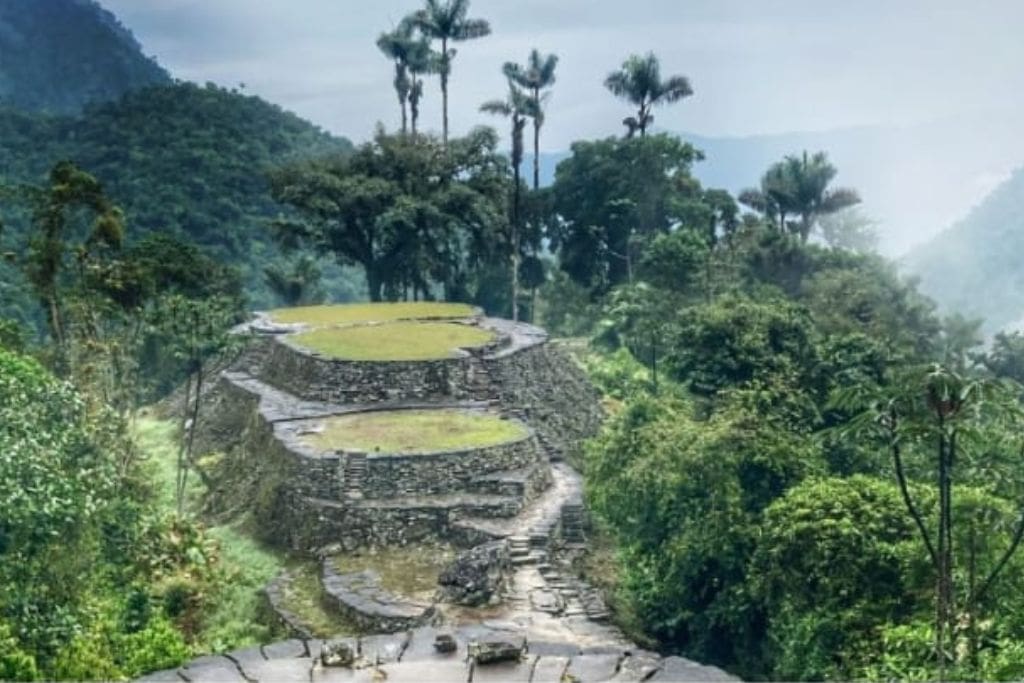
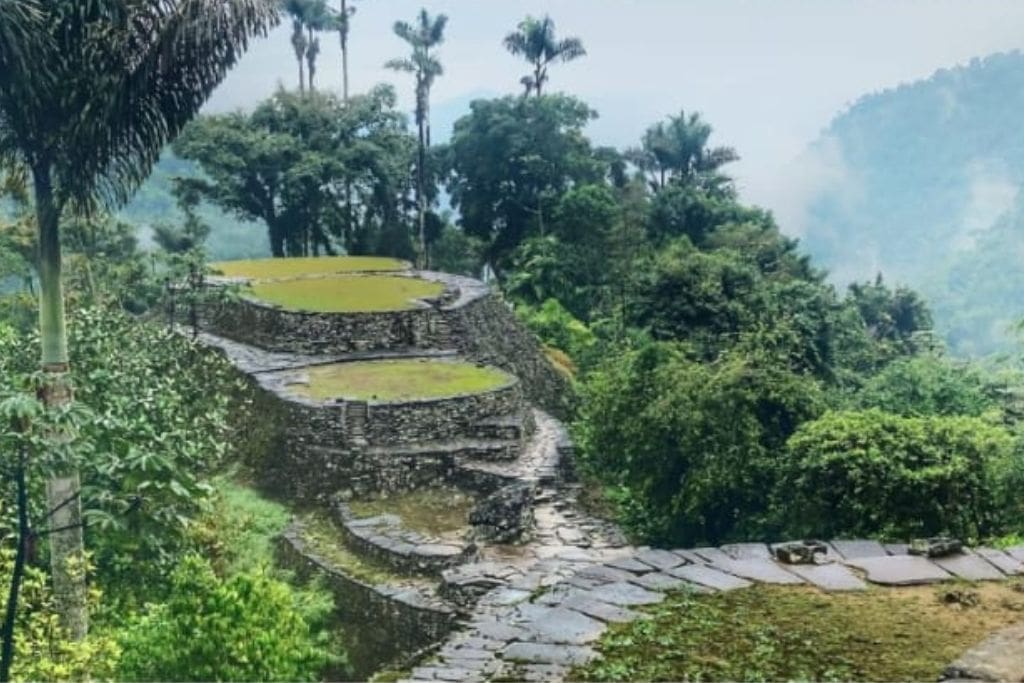
The Lost City, known locally as la Ciudad Perdida, is an ancient archaeological site in the Sierra Nevada de Santa Marta mountains. Believed to have been founded around 800 AD, the Lost City predates Machu Picchu by about 650 years.
It was discovered by treasure hunters in the early 1970s and is thought to have been the central city of the Tayrona civilization, an advanced indigenous cultures.
The ruins are characterized by a series of 169 terraces carved into the mountainside, interconnected by tiled roads and numerous circular plazas. The site is enveloped in the lush jungle, adding to its mystical and serene ambience.
Many visitors describe their multi-day trek to the Lost City as a spiritual journey, thanks to its secluded location and the deep connection to ancient history it provides.

Why is the Lost City a Spiritual Place?
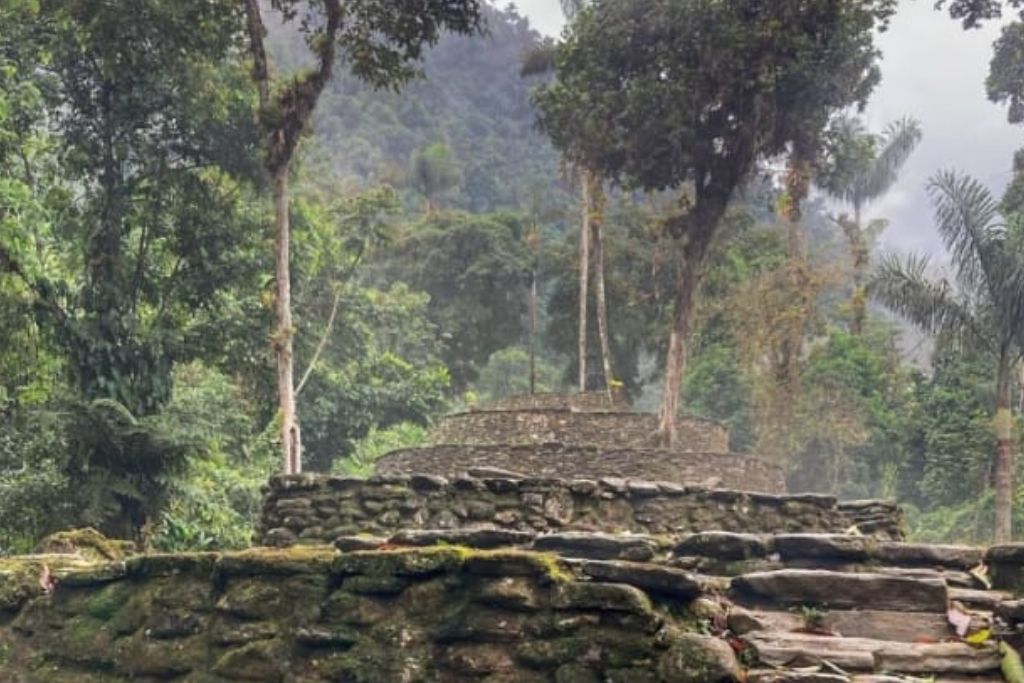
The Lost City, or la Ciudad Perdida trek in Spanish, is much more than just an archaeological site; it is a perfect place of profound spiritual significance.
This ancient city, nestled deep within the Sierra Nevada de Santa Marta, was once the heart of the Tayrona civilization. The Tayrona indigenous people, known for their sophisticated societal structures and profound connection to nature, built the Lost City as a sacred site.
The city’s layout, with its intricate network of terraces, plazas, and ceremonial structures, reflects their cosmological beliefs and their reverence for the natural world.
The journey to the Lost City itself is often described as a spiritual pilgrimage or spiritual leaders.
Trekking through dense jungle, crossing strong-current rivers (this is not for the faint-hearted), and ascending the ancient 1200 stone steps (still not for the faint-hearted), visitors follow in the footsteps of the Tayrona and their descendants, the Kogi and Wiwa people.

These local communities regard the Lost City as a living, breathing entity, imbued with the spirits of their ancestors.
The Kogi, in particular, see themselves as guardians of the Earth maintaining the delicate balance between nature and humanity. They believe that the Sierra Nevada de Santa Marta is the heart of the world, and the Lost City is its spiritual epicentre.
Visitors often report a deep sense of peace and connection upon reaching the Lost City, myself included. The surrounding jungle, with its vibrant biodiversity and untouched beauty, creates an atmosphere of serenity and reflection.
The isolation of the Lost City, far removed from modern civilization and free from technological distractions, fosters a profound appreciation for the ancient wisdom of the Tayrona National Park and enhances the spiritual journey through deeper immersion in nature and introspection.
If you are lucky, you might encounter the Chaman, who is said to have the ability to read the future. When I got to the Lost City, I went to his hut to check if he was there, but unfortunately, he wasn’t.
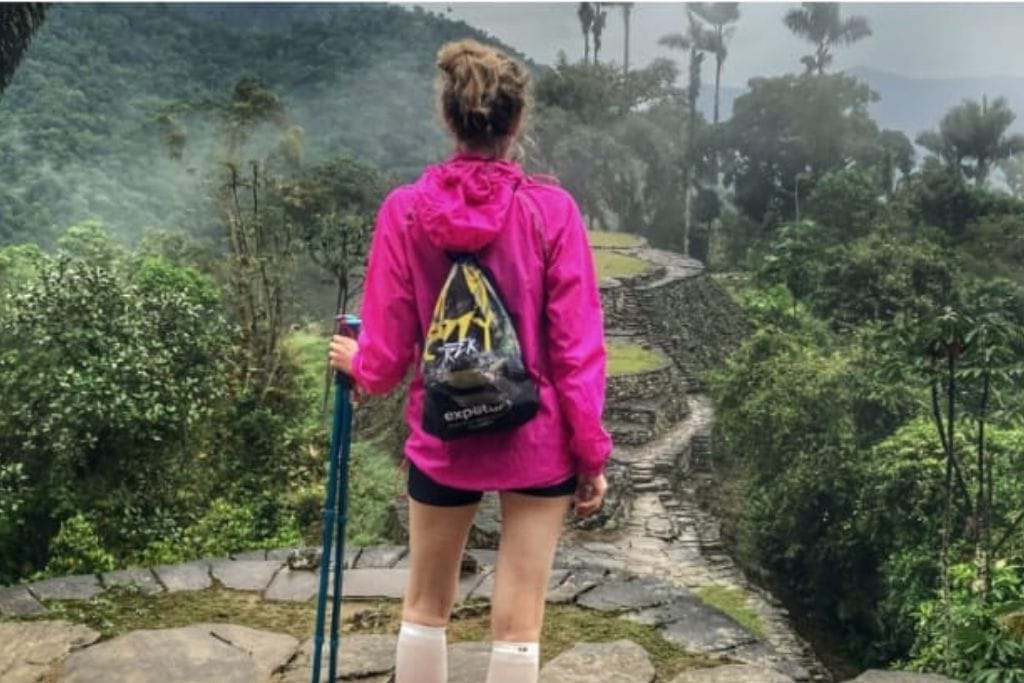
For many, the Lost City is not just a historical landmark but a place of healing and spiritual awakening, where the echoes of the past resonate with the soul.
Lost City Colombia Location
The Lost City is located in the Sierra Nevada de Santa Marta, a coastal mountain range in northern Colombia. It lies approximately 44 km (27 miles) southeast of the Caribbean coast city of Santa Marta.
The trek to the Lost City typically starts from Santa Marta, making it the primary gateway for this adventure. Unfortunately, there is no Lost City Colombia map of the lost city site, only of the trek route.
Tips on How to Plan and Get to the Lost City Colombia
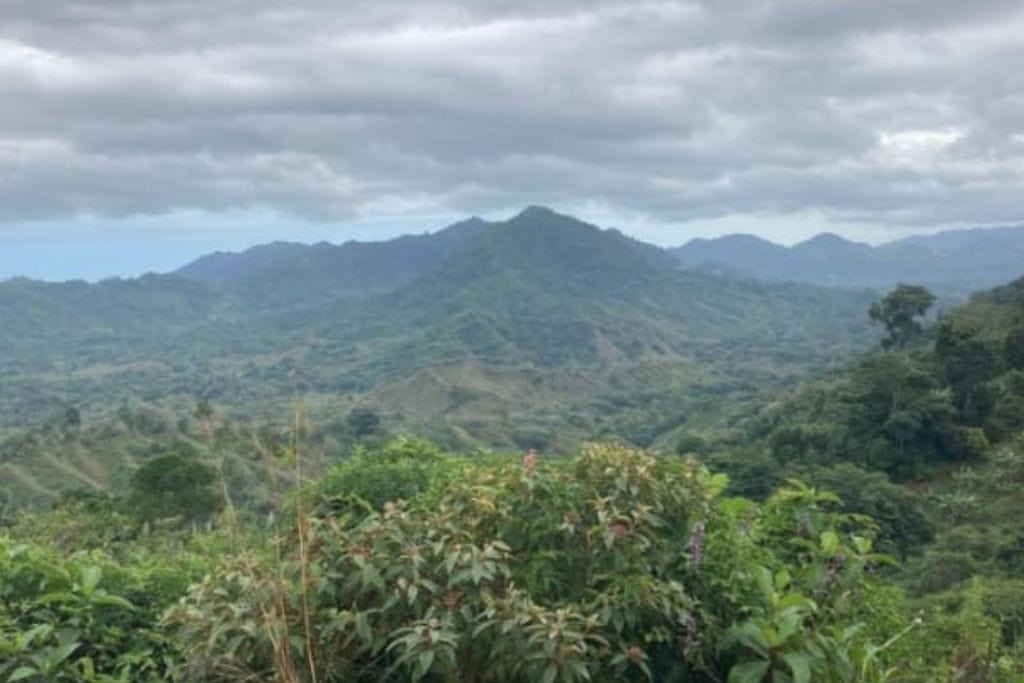
Planning your trip to the Lost City requires careful preparation. Based on my personal experience, here are some essential tips to ensure you have a smooth and enjoyable jour
#1. Choose the Right Tour Companies
Selecting a reputable tour operator is crucial when planning your multi-day hike to the Lost City, a remote and protected location accessible only through guided tours.
To ensure a safe and enjoyable experience, research different operators, read reviews, and choose one that prioritizes safety, knowledgeable local guides, and comfortable accommodations. Prices can vary, so consider what is included in the package, such as meals, transportation, and park fees.
I highly recommend Expotur. Their office is conveniently located in the heart of Santa Marta.
Expotur’s experienced tour guides and translators accompany you on the Lost City tour, along with cooks and backmarkers who can also carry your bags for an additional fee. After just one day of hiking through the jungle, you’ll be incredibly grateful for their help with your rucksack!
You can book directly with Expotur, or, like I did, avoid the hassle of negotiating prices by booking through a local (and by local, I from where you are based) tour company.
This way, you ensure that everyone in your tour group is from the same country and speaks the same language, making bonding easier since you’ll be spending five days together.
For my adventures abroad, I always opt for Go London, a UK based based hiking and travel company.
The entire trip, excluding the extra cost of plane tickets, cost £850 and included a one-week stay with 3 nights in Santa Marta, a 5-day Lost City Trek, and one day in Taironaka Park, with meals included.
#2. Prepare Physically for the Trek
The Lost City trek is challenging, with steep hills, river crossings, and long hiking days. Ensure you are in good physical condition before embarking on this journey.
Regular cardio exercises, strength training, and hiking practice will help you prepare. Swimming is also a good form of exercise to train for a hike in altitude.
#3. Pack Appropriately
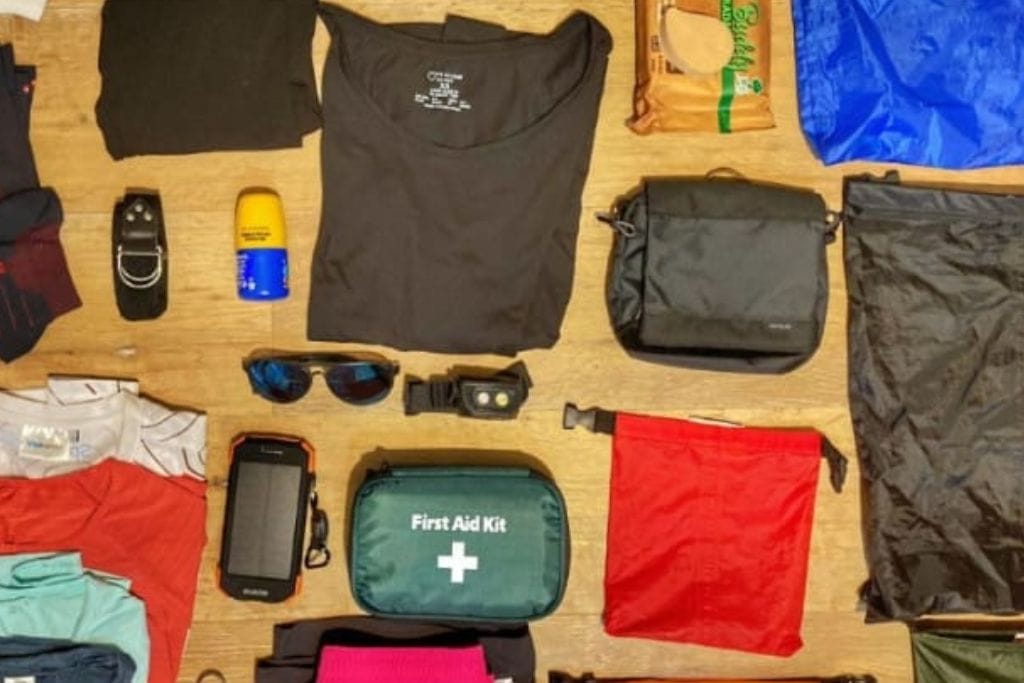
Pack light but ensure you have all the essentials. Remember that you will be carrying your pack for 5 days, and each additional 100 grams in your pack will result in you using 6.4 times more energy to carry it.
To help you pack for the Lost City hike, I have prepared a Packing list checklist for you below to download.
P.S. Include mosquito nets, you never know!

#4. Respect the Indigenous Community
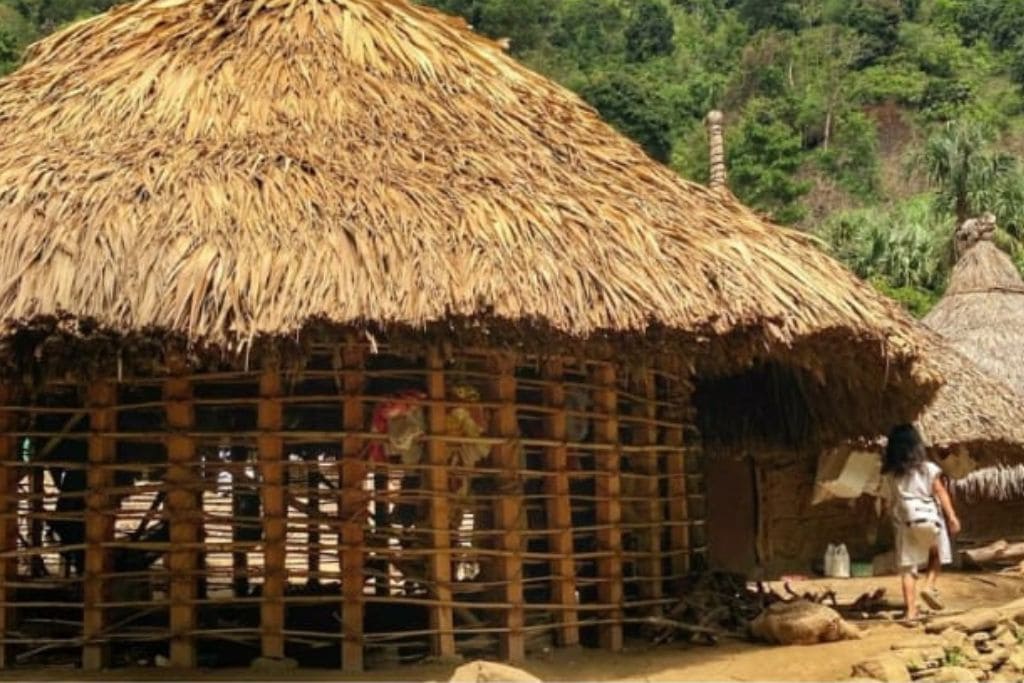
The trek passes through lands belonging to the indigenous Kogi and Wiwa communities.
Respect their customs, respect that they do not like their photo to be taken, ask permission before petting their animals, and follow your guide’s advice on interacting with locals as they speak their dialect and not Spanish.
The First Time Doing the Lost City Colombia Trek (My Personal Experience)
First Day aka Day 1: Santa Marta – El Mamey – First Campsite
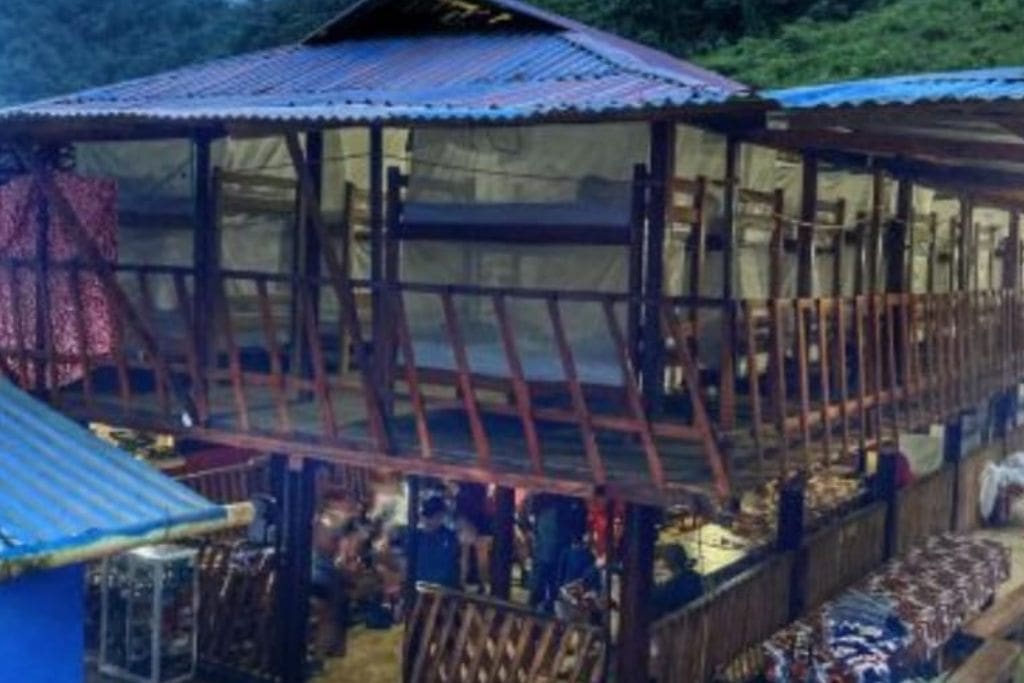
Our adventure started around 9:30 AM with a 2.5-hour drive from Santa Marta to El Mamey. From there, we began our trek through the jungle, following the Buritaca River and passing local farms.
The hike took us through coffee plantations and Kogi villages, offering a glimpse into the indigenous tribes way of life. After a 4-hour trek, we reached Camp 1 aka the first campsite, where we relaxed with a refreshing swim in the river before dinner.
We spent the night in bunk beds, lulled to sleep by the sounds of the Colombian jungle.
Second Day: Camp 1 – Camp 3
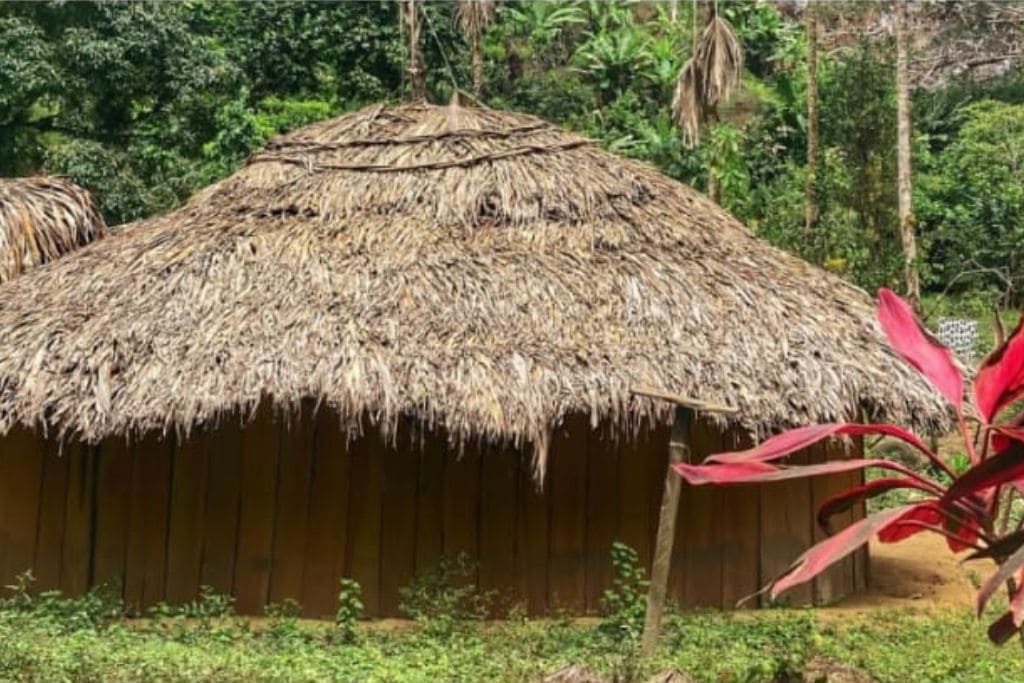
This is the hardest day of the multi-day trek by far: a lot of walking! The climb of the steps to the Lost City is nothing compared to this 7-hour-long day hike through the Colombian jungle.
The trail followed the Buritaca River, passing Mutanshi houses of the Kogi indigenous communities village. The biodiversity of the jungle was astonishing, with vibrant flora and fauna at every turn.
We reached Camp 3 by evening, where a delicious dinner awaited us.
Third Day Aka Day 3: Camp 3 – Lost City – Camp 2
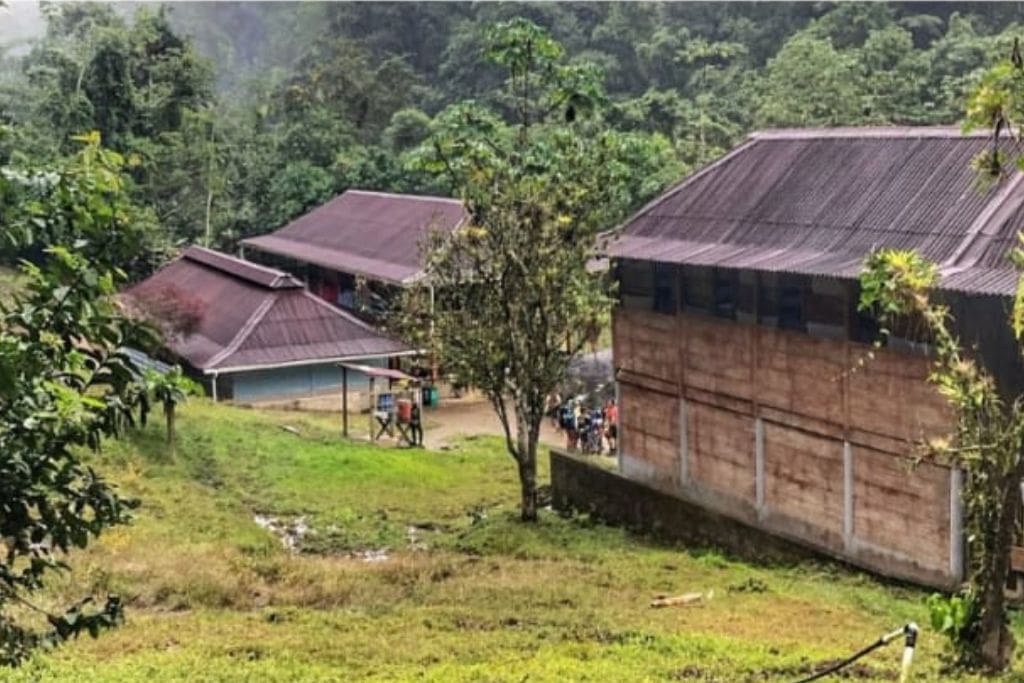
This is the long-awaited day where the magic takes place (also a lot of hours of walking still). After an early breakfast, we tackled the final ascent to the Lost City, climbing 1,200 steps along a 2,000-year-old Tayrona National Park trail.
Reaching the Lost City was a surreal experience.
Our guide shared stories of the Tayrona people and the significance of the site. As the rain started, we found shelter in one of the cabins on site and waited for the storm to pass.
We spent the next morning exploring the terraces and plazas, taking in the breathtaking views.
A very interesting thing to note is that the Lost City is not a famous tourist spot, hence you have the site for yourself, allowing you to roam freely and take pictures with nothing else in the background other than the ruins and the Colombian jungle.
I mean, there is not even a souvenir small shop! This is without saying, that it adds to the spirituality of the place.
After descending to Camp 3 for lunch, we continued to Camp 2 for the night.
Next Day Aka Day 4: Camp 2 – Camp 1

The descent (finally) from Camp 2 was more relaxed, allowing us to visit more Kogi villages and enjoy the natural beauty of the Buritaca River and its waterfalls along the way.
We had long time to swim and relax before reaching Camp 1, but a different one from the start, where we spent our final night in the jungle.
Day 5: Camp 1 – El Mamey – Santa Marta

Our last day began with a late breakfast, such a treat to be able to sleep in the morning. We had much time to wander on the bank of the River located behind our camp and walk across the red suspension bridge.
After a 2.5-hour trek, in late afternoon we were back at El Mamney where we had lunch before driving back to Santa Marta, where our unforgettable adventure concluded.
FAQs
Best Time to Do Lost City Trek Colombia?
The best time to trek to the Lost City is during the dry season, from December to March. This period offers the most favorable weather conditions, although the trek can be undertaken year-round.
Avoid the rainy season, because it’s the torrential downpours aka wet season along with cold showers where you can’t really enjoy river swimming pool due to the cold water.
How Long Does It Take to Hike to The Lost City in Colombia?
There are 2 trails to go to the Lost City. The 4-day option where you come back following the same trail you came in or the 5-day trek, where you take a different route on the way back. I did the latter.
Lost City Colombia Altitude
The Lost City is located at an altitude of approximately 1,200 meters (3,937 feet) above sea level, which does not require any acclimation time.
How to Get to Lost City?
You need to book with a tour operator as per the Colombian government you are not allowed to go by yourself. This is due to the remote location and the Colombian jungle environment which comes with hazards such as insects, animals and plants.
So, where to fly into for the Lost City trek? The closest city to the trailhead of the Lost City trek is Santa Marta.
If you are travelling from outside Colombia (South America), you might find it difficult to find a direct flights to Santa Marta, therefore I would recommend that you fly to Bogota and take a domestic flight to Santa Marta.
How to get to the Lost City of Colombia from Santa Marta? When you book with tour operators, they will drive you to El Mamey, the departure starting point of the trek in a 4×4, the only type of vehicle which can endure the road on the way to El Mamey.
The same is true for people looking on how to get from Cartagena to Lost City. First, get yourself into Santa Marta (whether with a local flight or with a bus). From there, the local tour guide would pick you up.
Join this yoga retreats in Colombia for a retreat focused on achieving inner peace through meditation, yoga, and ancestral rituals.
Located in the Colombian Caribbean, this retreat offers a unique opportunity to restore balance and emotional well-being by connecting with nature and learning time-tested practices.
Final Thoughts: Is Lost City Colombia Worth It?
Absolutely! The Lost City trek is a challenging yet incredibly rewarding adventure. It offers a unique blend of natural beauty, cultural immersion, and historical exploration.
Whether you’re a seasoned hiker or a history enthusiast, this journey will leave you with unforgettable memories and a profound appreciation for Colombia’s rich heritage.
Since I am back to civilization, which for me is the UK, I joke around saying that I wish I got lost in the jungle and no one sent the search party.
But deep inside of me, I wish it was true.
I have hiked El Camino in Spain, so I was not on my first pilgrimage of some sort, but this one sticks with me. It is like I left a part of me there, lost in the Lost City.
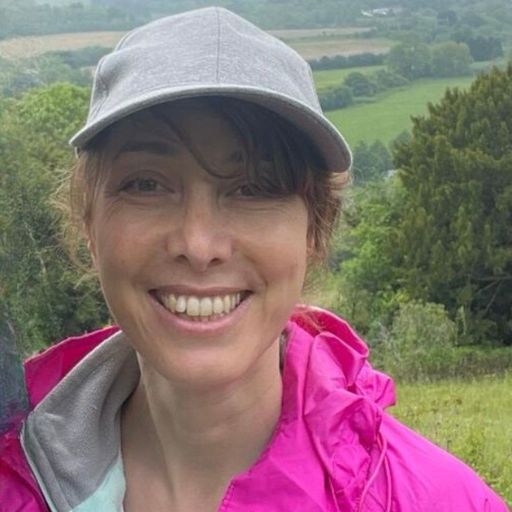
Authors: Lily
Lily, also known as The Flamingo Hiker, is a French expat who has been exploring the UK’s hiking trails since 2019. Based in London, she shares her adventures and tips on her blog to inspire others to discover the beauty of nature.
Always dressed in pink, Lily offers practical advice for both solo hikers and groups, aiming to make hiking accessible and enjoyable for everyone.
Sabiduri Planning Guide
🧘🏽♀️Where to find spiritual retreats around the World?
The good news is that they can be found in various locations, from secluded places in nature to bustling cities. Find your ideal retreat here!
🚑 Should you buy a travel insurance?
100% YES! — With basic coverage averaging just $50 for your stay, enjoy peace of mind with a plan from Travel SafetyWing, one of the biggest names in travel insurance.
🚗 Is it safe to rent a car around the World?
Yes — Renting a car is one of the best ways to see the country you find yourself in because public transportation cannot reach everywhere! I always rent with Discover Cars, which checks both international companies and local companies, so you get the best rates.
📴 Will my phone work abroad?
Maybe — It depends on your company, so check with your provider. If you don’t have a free service, buy a SIM Card once landed in the country.
🛌🏼 What’s the best way to book my accommodations?
For hotels, Booking is the best site, but for hostels, use Hostel World. If you’re considering Flats, don’t forget to also check Couchsurfing, which is free and you stay with locals.
🛩️ What’s the best site to buy flights?
For finding cheap flights, I recommend Kayak.
🛂 Do I need a visa for these destinations?
Likely Not — U.S., Canadian, and most European Passport holders don’t need a visa for most of destination around the World. BUT check here for more travel requirements. The majority of travelers will receive a 90-Day stamp Tourist Visa upon arrival.