Discovering the Spiritual Essence of Haleakalā Volcano Hawaii


Have you been curious to discover the spiritual essence of Haleakala Volcano Hawaii? We’re Divinely Guided!
Given that Giorgy visited Hawaii but couldn’t make it to the Haleakala Volcano, we asked Tracy Smyth of Travel Bug Tonic to Divinely Guiding through her personal experience to uncover the spiritual essence of Haleakala Volcano Hawaii.
Haleakalā Volcano in Hawaii is quite simply other-worldly. The lunar-like geography along with the allure and mystical charm of the volcano makes this place special and deeply spiritual.
As a traveler and seeker of unique experiences, I found Haleakalā to be a place that helped me to connect with nature, the culture of the Hawaiian Islands, and myself.
On the beautiful island of Maui, Haleakalā rises dramatically to a summit of over 10,000 feet. Planned with intention, a visit can become a holistic journey that nourishes physical, mental, and spiritual well-being.
The physical aspect is evident in the invigorating hikes and explorations across the volcanic terrain, where each step brings a sense of vitality and connection to the Earth.
Mentally, Haleakalā provides a sanctuary for mindfulness and reflection, away from the hustle and bustle of daily life. The vast vistas, serene surroundings, and moments of solitude foster mental clarity, reduce stress, and promote a sense of inner calm.
On a spiritual level, Haleakalā’s timeless presence and natural wonders inspire awe and reverence.
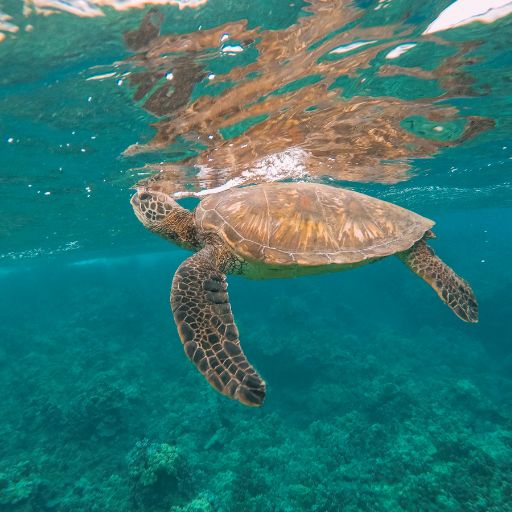
Explore the elements in MAUI, connecting with both Heaven and Earth for a transformative unique experience.
Why is Haleakalā Volcano in Hawaii so Spiritual?
Haleakalā Volcano is not merely a geographical wonder; it holds a spiritual significance.
Whether hiking across a lunar-like landscape or contemplating the starry skies, Haleakalā’s transformative power leaves a lasting impact. Haleakala is:
#1. A Symbol of Strength and Power

What does the Haleakala symbolize? One of the largest shield volcanoes globally, and the third largest in Hawaii, Haleakalā’s towering presence symbolizes strength, resilience, and the raw power of nature.
It is considered an active volcano with the last eruption between 400 and 600 years ago. The sheer magnitude of the land inspires awe and reverence, evoking a sense of connection to something greater than ourselves.
#2. Is Haleakala a Sacred Place?
Haleakalā holds immense cultural significance for Native Hawaiians, who consider the volcano a sacred place intertwined with mythology, spirituality, and traditional practices.
“Haleakalā” translates to “House of the Sun” in Hawaiian, reflecting its role in ancient Hawaiian cosmology and legends.
The volcano’s vast expanses, serene vistas, and ancient energies create a space for introspection and spiritual renewal.
#3. Connected to Hawaiian Mythology
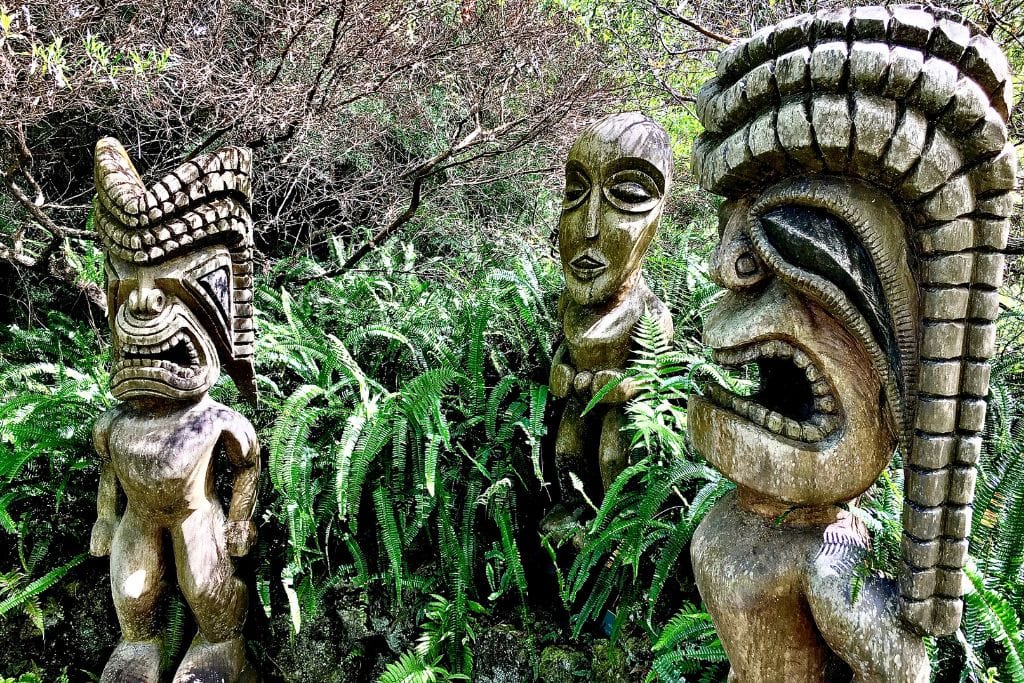
What is the Hawaiian mythology of Haleakala? In Hawaiian mythology, Haleakalā is known as the dwelling place of the demigod Maui known for his feats of strength and cunning.
One myth describes Maui’s quest to slow down the sun after his mother, the goddess Hina, complained that it moved too quickly for her to dry her tapa cloth.
Standing at the summit, you can almost picture this demigod cleverly ambushing the sun with a rope atop Haleakalā. Thankfully the sun agreed to move more slowly across the sky, giving us beautiful, extended sunny days.
#4. A Place of Healing and Transformation
Haleakalā is believed to be a place of healing and transformation. The tranquil surroundings, crisp mountain air, and panoramic views invite visitors to slow down, breathe deeply, and reconnect with themselves and the natural world.
Many who visit Haleakalā experience a profound sense of peace, clarity, and rejuvenation, making it a haven for spiritual retreats and personal introspection.
In fact, there is a spot within the Haleakala crater renowned as the “quietest place on Earth”. If you visit, you are enveloped in a profound silence inviting a truly meditative experience.
#5. An Interconnected Ecosystem
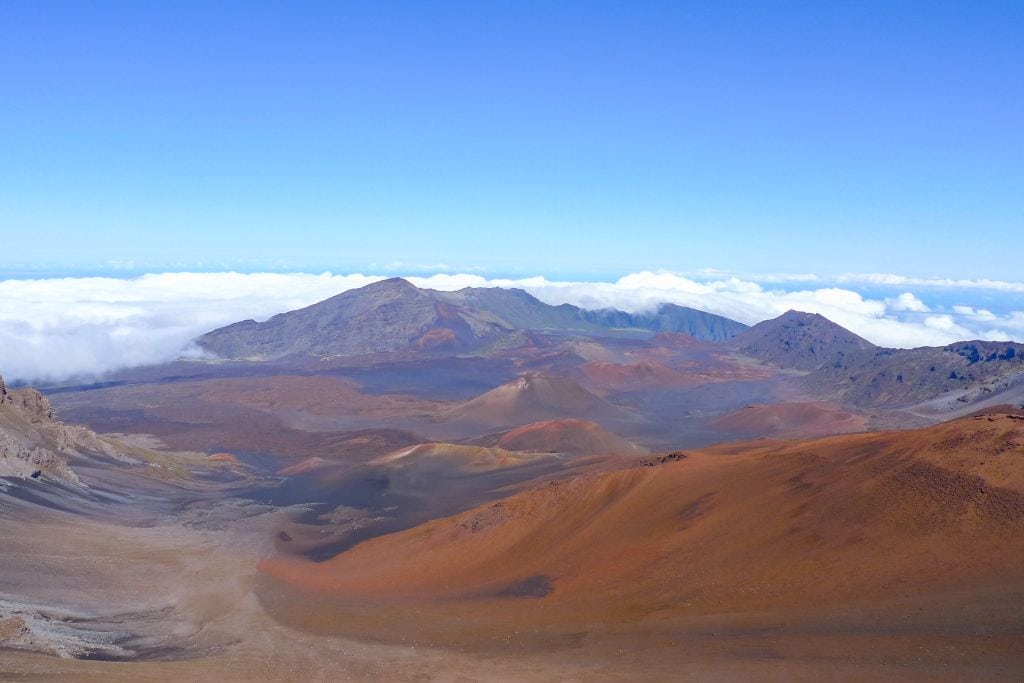
Beyond its cultural and mythological significance, Haleakalā National Park hosts a diverse ecosystem, from lush rainforests to barren volcanic landscapes that showcase the beauty and resilience of the natural world.
Over the centuries, Haleakalā has attracted scientific interest due to its geological features, volcanic activity, and unique ecosystems.
Researchers study the volcano to understand volcanic processes, land formation, and environmental changes over time. Haleakalā National Park is a living laboratory for geological, ecological, and astronomical research.
#6. A Place of Stargazing and Cosmic Connection
Haleakalā’s summit offers unparalleled stargazing opportunities due to its high elevation and clear skies. At 10,000 feet, the summit is often above the clouds and is well away from light-polluted resorts.
The wide starry sky fosters a sense of wonder, humility, and awe at the vastness of the universe.
WHERE IS HALEAKALA VOLCANO HAWAII LOCATED?
Haleakalā Volcano is located on the island of Maui, part of the Hawaiian archipelago in the Central Pacific Ocean. The Haleakalā National Park encompasses the summit area and surrounding landscapes.
My Personal Experience on Haleakalā Volcano Hawaii
Arriving at the summit of Haleakalā Volcano Hawaii is an adventure I will never forget, full of winding roads and stunning views at every turn.
I rented a compact car for the trip, and it was the perfect size for navigating the twists and turns of this scenic drive. The ten-mile drive may not seem long, but trust me, you’ll want to take your time.
Along the way, there are plenty of spots to pull over and take in panoramic views of Maui below. Keep an eye out for cyclists—they zoom down the highway and power up the hills in groups, adding to the lively atmosphere.
As you ascend, you’ll notice the air getting cooler and crisper, at first a refreshing change from the warmth at sea level.
The landscape transforms from lush greenery to a more rugged, moon-like terrain, showcasing the diverse beauty of Maui’s natural landscapes. The Haleakalā Highway seemed to transport me through different worlds.
Approaching the volcano’s summit and its upper craters and viewing areas, I slowed down even more as each curve in the road revealed volcanic formations, unique plants, and glimpses of the vast Pacific Ocean stretching endlessly.
Reaching the summit feels like shedding layers of stress and embracing Haleakalā’s unhurried pace.
The summit area can be quite chilly, especially with clouds rolling in and brisk winds, reminding you of nature’s power.
But the panoramic views make it all worthwhile—the interplay of light and shadows creates a stunning display of colours across the volcanic landscape, a scene you won’t soon forget.
FAQs Facts About Haleakala Volcano Hawaii
Is Haleakalā Still an Active Volcano?
While Haleakalā is considered dormant, it remains an active volcano with its last eruption occurring in the late 1700s.
If there was activity, it’s good to know that it is a Shield volcano – a type that doesn’t usually have explosive eruptions. Instead of exploding, they release a fountain-like flow of lava.
So while there is still a possibility of volcanic activity, visitors can witness the landscape and geological wonders without dangerous volcanic recent activity concerns.
How High is Haleakalā?
Haleakalā reaches an impressive height of over 10,000 feet (3,000 meters) above sea level at its summit.
The volcano began forming over a million years ago through volcanic eruptions that built up layers of lava, ash, and volcanic debris.
As a shield volcano, its gently sloping sides were formed by successive lava flows. Its distinct shape and size make it one of the largest volcanoes on Earth in terms of volume and surface area.
Best Spiritual Haleakalā Things to Do?
Discovering the spiritual essence of Haleakalā extends far beyond its awe-inspiring landscapes. The National Park offers several unique activities that transcend mere observation; find moments of introspection, gratitude, and reverence for it’s natural wonders.
EXPLORING HALEAKALA NATIONAL PARK ON FOOT
Hiking increases my wellbeing, and with over 30 miles of hiking trails, ranging from short walks to multi-day adventures, you can immerse yourself in the park’s diverse ecosystems, rare flora, and breathtaking vistas.
It can become a true journey of self-discovery amidst ancient volcanic craters.
Popular trails include:
– Pa Ka’oao Trail: a short 0.2 mile (0.32 km) hike up the hill next to Haleakalā Visitor Center.
– Sliding Sands Trail: a more challenging route that starts on the rim of Haleakala at the Visitor Information Center and descends to the Haleakalā crater floor. It is an 11-mile (16 km) round trip.
WATCH THE SUNRISE
The sunrise atop Haleakalā is a sacred ritual, painting the sky in hues of gold and igniting a sense of wonder and renewal. Arriving in the dark, the anticipation of the crowd is palpable.
As the sun peeks above the horizon, the sky transforms into a canvas of vivid colours—shades of orange, pink, purple, and gold paint the heavens, casting a warm glow over the volcanic landscape.
It’s a moment of serenity, wonder, and gratitude that leaves an indelible mark on the heart and soul of every visitor.
Note, dress warmly! Temperatures drop 3º for every 1000 feet of elevation, so at the Haleakalā Visitor Center it’s about 30º colder than at the beach. Bring pants, shoes, layers of clothing, and blankets along with a thermos of Hawaiian coffee!
To watch the sunrise from the volcano’s summit you require a Sunrise reservation from the National Park Service.
Reservations can be made online through the National Park website up to two months in advance and are only valid for the day reserved.
The minimal fee is to help reduce traffic and crowds between 3 and 7am.
If you are unable to book a day or don’t have your own car, sunrise tours are popular and easy. Since you are getting up at 3 am, it might be nice to let someone else do the driving!
WATCH THE SUNSET
Everywhere on Maui, I noticed the collective ritual of watching the sunset.
On the volcano, it becomes a serene and spiritual farewell, casting a glow over the volcanic terrain as the day gently transitions into night.
You DO NOT need a reservation to visit the park at sunset. Reservations are ONLY required for sunrise.
To watch the sunset, visitors typically arrive at Haleakalā’s summit in the late afternoon. Viewing areas may have limited capacity during peak times, it’s good to check with the park or book a tour.
STARGAZING
Stay past sunset for stargazing under Haleakalā’s pristine skies. It is like a cosmic symphony, where each twinkling star celebrates the vastness of the universe.
The Haleakalā Observatory on Maui is known worldwide as an amazing stargazing and observation site. It is not open to the public but astronomers from across the globe come to experience superb viewing conditions.
But simply from the Summit parking lot, you can enjoy the celestial wonder. The sun sets at about 5:30 p.m. in the winter and 7:00 p.m. in the summer.
Go between February to September for a chance to see the Milky Way on a clear night!
Best Time to Visit Haleakalā National Park
Maui has fairly consistent temperatures year-round.
Visiting during the shoulder seasons of spring (April to May) and fall (September to November) has the benefit of fewer crowds compared to the peak summer and winter seasons.
I have visited Haleakalā in both December and March to escape the winter chills. There are many wonderful activities that Maui has to offer.
I learned that whale watching is at its peak in February/March and the Ali’i Kula Lavender farm, which I visited on my way down from the Haleakala summit, is beautiful any time of year but in full bloom in July.
Getting to Haleakalā National Park
After a flight to Kahului Airport on Maui, travelers can reach Haleakalā by rental car, bike, foot or guided tour. There is no public transportation into the National Park.
Door-to-door driving time from most places in Maui is 1.5 to 2.5 hours. If driving, make your way to route 378 which will take you to the volcano’s summit. The route is well-maintained.
All park visitors must purchase a recreational use pass upon entering the park boundaries. If you don’t have a car or don’t want to drive, take a tour that provides transportation.
Where to Stay?
– Lumeria Maui is an educational retreat center offering wellness classes and programs. Overnight lodgers must enroll in Lumeria’s daily classes or be part of a focused retreat group.
Enjoy farm-to-table meals and Wellness Spa.
– The Banyan Tree Bed and Breakfast Retreat is nestled on 2 acres of lush gardens on the slopes of Haleakala in Upcountry Maui.
– Camping in Haleakala National Park is possible. Visitors to Haleakalā National Park have three different options for camping.
Both the Summit District and the Kīpahulu District offer frontcountry, drive-up camping while backcountry tent and cabin camping are available with applicable permits and reservations.
Reservations can be made at Hosmer Grove Campground or Kīpahulu Campground. Staying overnight or sleeping in a vehicle outside of a campground is prohibited.
Explore the elements in MAUI, connecting with both Heaven and Earth for a transformative unique experience.
Final Thoughts: Is Haleakala Volcano Hawaii Worth It?
Whether you seek adventure, cultural insights, or spiritual renewal, Haleakalā offers an unforgettable journey into the heart of Hawaii’s natural and spiritual wonders.
The journey up Haleakalā is not just about reaching the top: it’s about slowing down and immersing yourself in nature and connecting with the island’s unique spirit.
Take your time, enjoy the ride, and let Haleakalā work its magic on you. Let the lore of ancient hawaiian legend and the whispers of the wind guide you on a soul-stirring exploration of Haleakalā’s timeless allure.

Author: Tracy Smyth
Tracy Smyth is the enthusiast behind Travel Bug Tonic. She is a certified travel coach and helps people use travel as a tool to boost well-being.
Her mission is to connect women with inspiration, education, and opportunities to live every day like it is a trip of a lifetime!
Sabiduri Planning Guide
🧘🏽♀️Where to find spiritual retreats around the World?
The good news is that they can be found in various locations, from secluded places in nature to bustling cities. Find your ideal retreat here!
🚑 Should you buy a travel insurance?
100% YES! — With basic coverage averaging just $50 for your stay, enjoy peace of mind with a plan from Travel SafetyWing, one of the biggest names in travel insurance.
🚗 Is it safe to rent a car around the World?
Yes — Renting a car is one of the best ways to see the country you find yourself in because public transportation cannot reach everywhere! I always rent with Discover Cars, which checks both international companies and local companies, so you get the best rates.
📴 Will my phone work abroad?
Maybe — It depends on your company, so check with your provider. If you don’t have a free service, buy a SIM Card once landed in the country.
🛌🏼 What’s the best way to book my accommodations?
For hotels, Booking is the best site, but for hostels, use Hostel World. If you’re considering Flats, don’t forget to also check Couchsurfing, which is free and you stay with locals.
🛩️ What’s the best site to buy flights?
For finding cheap flights, I recommend Kayak.
🛂 Do I need a visa for these destinations?
Likely Not — U.S., Canadian, and most European Passport holders don’t need a visa for most of destination around the World. BUT check here for more travel requirements. The majority of travelers will receive a 90-Day stamp Tourist Visa upon arrival.