Is Banff Worth Visiting? Explore This Spiritual Place in 2026

Written by Chanelle Rosenbaum from Chasing Chanelle
Banff is one of Canada’s most popular travel destinations. Nestled in the heart of the Rocky Mountains, it’s one of the first places that comes to mind when you think about visiting Canada.
From the region’s rugged mountain landscape and striking blue lakes to the quaint town with its postcard-worthy high street, Banff claims to have something for all different types of travellers. But is Banff actually worth visiting?
This is something I wondered about before visiting Banff for the first time. As one of Canada’s most popular destinations, I was worried it might be a bit too ‘touristy’ for me.
But, after spending several weeks exploring the town and surrounding landscapes, I can safely say that Banff is worth visiting!
So, let’s break down what makes Banff such a special place, and what you should know before visiting.
Why is Banff Worth Visiting?
1. Stunning Natural Beauty
The top reason why Banff is worth visiting is that it’s absolutely stunning.
Banff National Park is home to some of the most breathtaking landscapes in all of Canada. From jagged mountain peaks to vibrant blue lakes, it’s a paradise for anyone who appreciates nature’s beauty.
And the park is home to some of Canada’s most iconic landmarks, which should be at the top of every traveller’s bucket list, including:
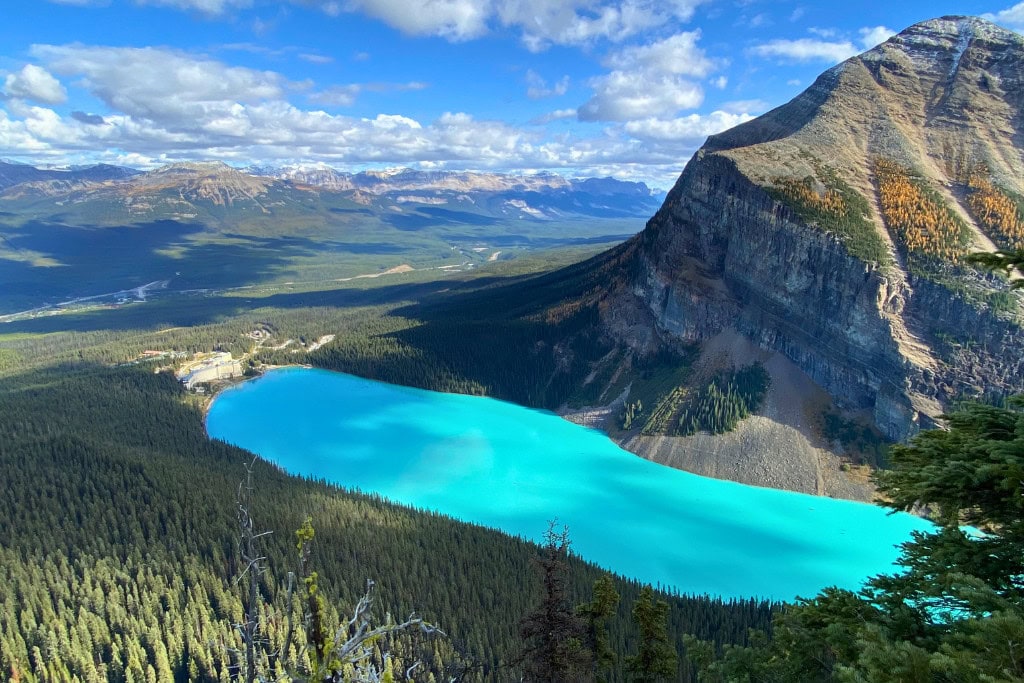
- Lake Louise: Known for its turquoise waters surrounded by snow-capped mountains and overlooked by the historic Fairmont Chateau Lake Louise. This glacier-fed lake is not only one of the most beautiful places in all of Canada, but it’s also a fantastic spot for hiking and canoeing in the summer, or ice skating in the winter.
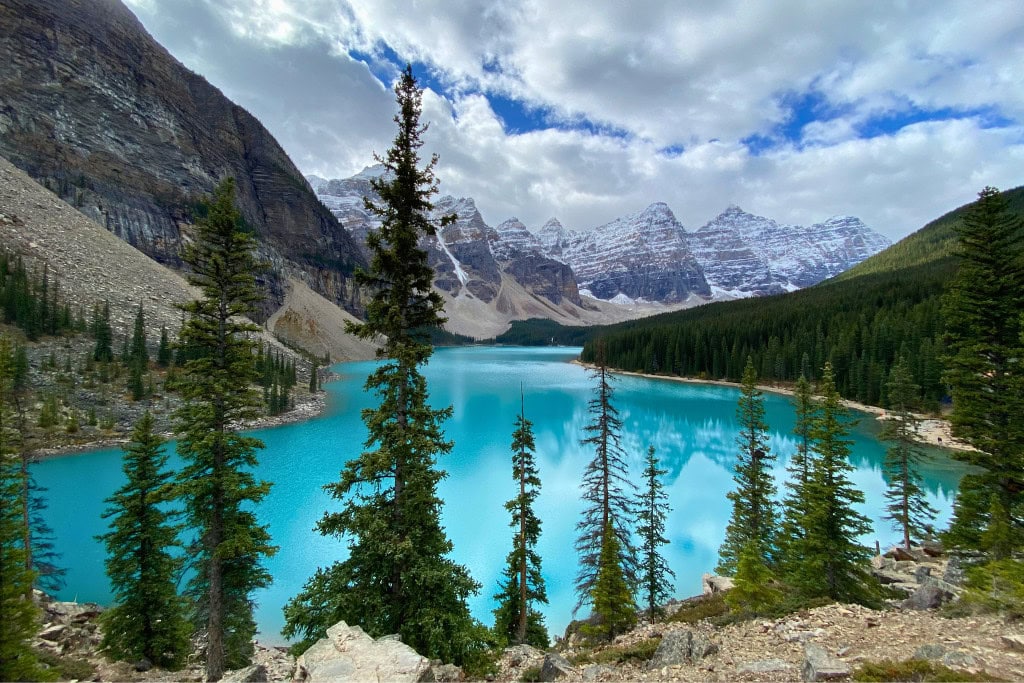
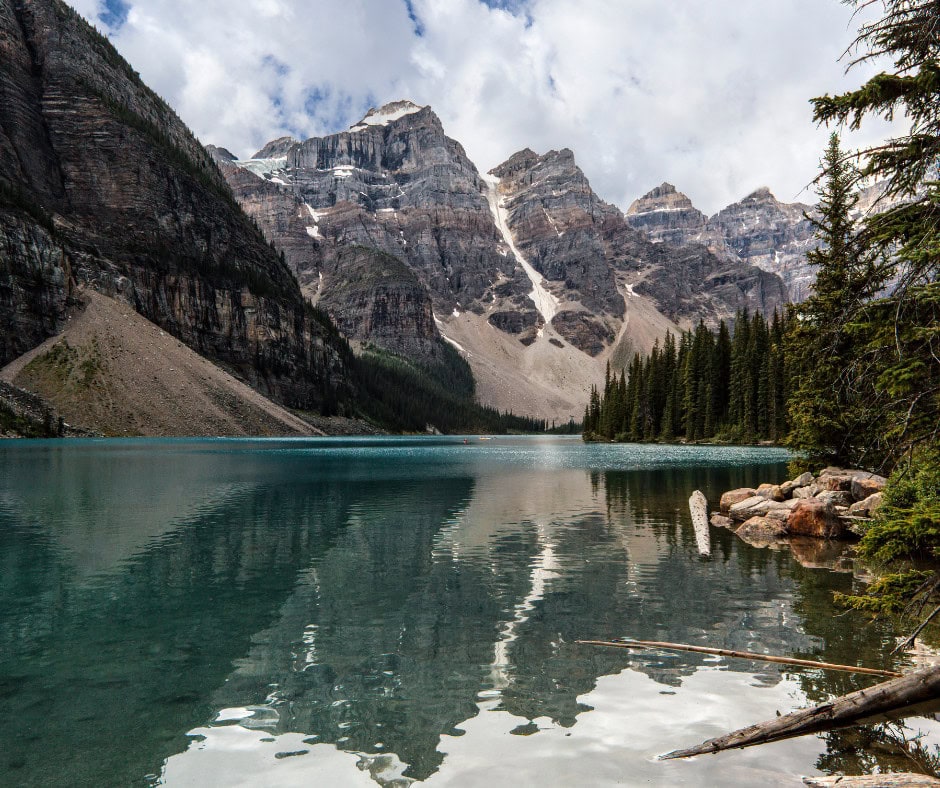
- Moraine Lake: Slightly smaller and darker than Lake Louise, but equally as stunning, Moraine Lake offers the most picture-perfect view in all of Canada. In fact, the view from the rockpile previously featured on Canada’s twenty-dollar bill and is the famous image synonymous with the Canadian Rockies.
- Banff Gondola: Riding the Banff Gondola to the top of Sulphur Mountain gives you panoramic views of the entire region, including the surrounding mountain ranges and the town below. Or, if you’re up for a more active day, you can hike a 5.5-kilometre trail to the top of the mountain and take the gondola back down!
Out of all the things to see and do in Banff, Lake Louise and Moraine Lake was what I was looking forward to the least. In fact I almost didn’t visit them!
Because they’re so famous, they’re very overrun with tourism these days, and I thought the crowds would ruin the experience. However, we ended up visiting both lakes on our very last day in Banff, and I was so pleasantly surprised by them!
Both were beautiful, and if you’re willing to walk or hike a bit you can easily escape the crowds. At Lake Louise we did the hike up to the Big Beehive lookout, and there was no one else up there! So we had the spectacular views all to ourselves.
2. Outdoor Adventure
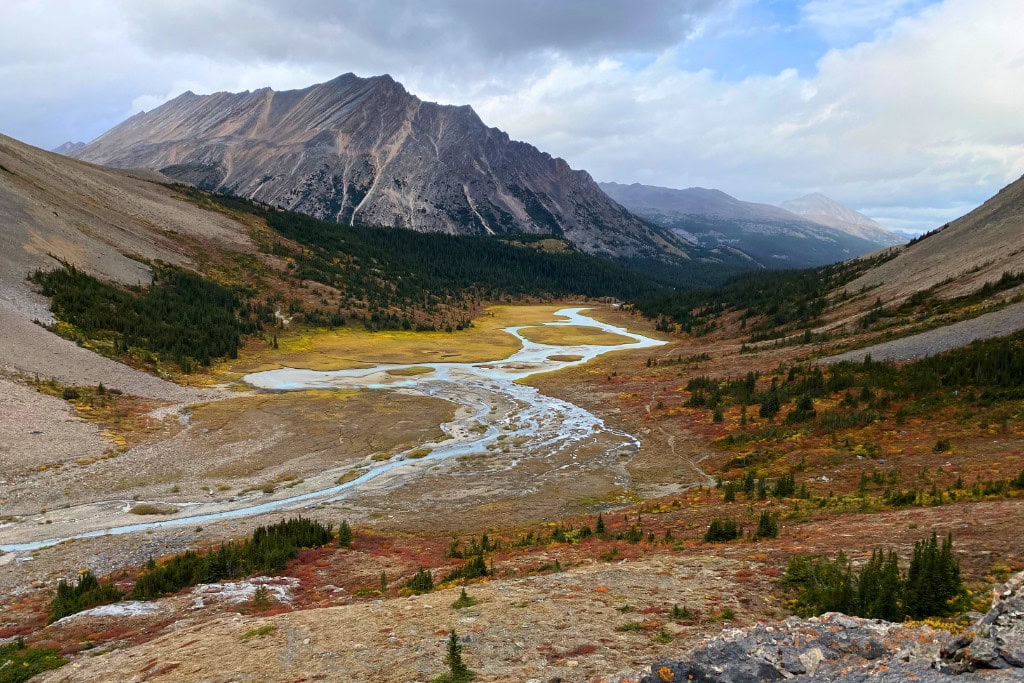
Banff is an outdoor enthusiast’s dream. Whether you visit in the winter or summer, there are countless activities to keep you entertained:
- Hiking: Banff has some of the best hiking and backpacking in Canada, with endless trails for all abilities. From short walks around pristine lakes to summitting peaks and multi-day treks in the backcountry, there’s something for every type of hiker.
- Biking: Banff National Park has more than 190 kilometers aka 118 miles of mountain bike trails, as well as various bike paths and road biking opportunities. And biking isn’t just limited to the summer months. In winter you can go fat biking on designated winter tails!
- Skiing and Snowboarding: In winter, Banff turns into a skiing and snowboarding paradise, with three world-class resorts on its doorstep: Sunshine Village, Lake Louise Ski Resort, and Mt. Norquay. All three ski areas have a mix of beginner, intermediate, and advanced slopes, so are ideal for all skill levels. And, Banff is also close to British Columbia’s famous ‘Powder Highway’ which is home to 8 of BC’s top ski resorts.
- Snow Sports: In addition to downhill skiing and snowboarding, Banff is also a great destination for other snow sports, including ice skating, cross-country skiing, snowshoeing, tubing, dog sledding, and curling.
- Wildlife Spotting: Banff National Park is home to a variety of wildlife, including bears, elk, and bighorn sheep. And you don’t even have to hike far into the backcountry to see them. It’s common to spot some of them when taking a casual drive through the park!
- Hot Springs: The best way to relax in Banff is also outdoors, at the Banff Upper Hot Springs. These hot thermal baths are rich in minerals to help soothe your muscles after a big day of hiking or skiing, while taking in the views of the Rundle Mountain Range in the backdrop.
Banff is one of my all-time favourite places for hiking and other outdoor activities. It’s a truly special place to connect with nature and appreciate Canada’s spectacular wildlife.
Every day we would hit the trails to explore the region and we were even lucky enough to spot some moose, elk and bears in the wild!
Pro Tip: It’s essential to be wildlife safe when exploring Banff National Park and the surrounding regions. While it might be tempting to get closer for that epic photo op, please refrain from doing so for your own safety, and for the safety of the animals. And never feed the animals!
It’s also highly recommended that you carry bear spray while hiking. Hopefully you won’t have to use it, but it’s better to be safe than sorry.
Finally, it’s important to follow ‘Leave No Trace’ principles when exploring the park. This means always disposing of trash properly, staying on the designated trails, and of course respecting the wildlife.
3. The Charming Mountain Town
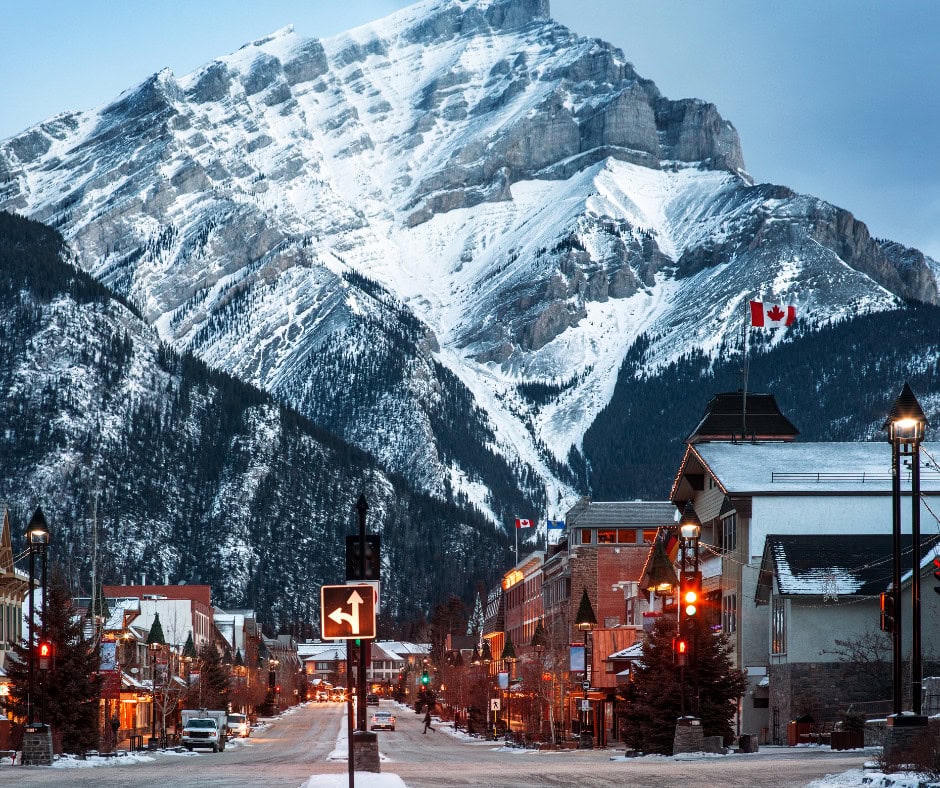
In addition to the stunning landscapes, the town itself is also big part of why Banff is worth visiting. This small but vibrant town is filled with quaint shops, cozy cafes, lively breweries, and fantastic restaurants.
And you will likely recognize the town’s main street – Banff Avenue – from photos and postcards.
This iconic street is as Canadian as they get, lined with charming mountain architecture, with the striking view of Cascade Mountain and Mount Rundle in the backdrop.
I truly loved exploring the town. There are so many interesting shops and cultural centres where you can learn about the history of the region and the local indigenous communities, and even buy handcrafted souvenirs.
Plus, after a big day on the trails, there’s no better way to unwind than with a cold drink and a hearty meal!
Our favourite places to eat in Banff were Shoku Izakaya for Japanese style pub food, and the Three Bears Brewery & Restaurant, where I had one of the best chicken burgers I’ve ever eaten!
Or, if you’re looking to indulge with some phenomenal Canadian food, although on the pricier end I would recommend trying The Bison.
4. Accessible for All Types of Travelers
One of the best things about Banff is that it caters to all kinds of travelers. Whether you’re a solo backpacker, a couple seeking a romantic getaway, or a family with kids, there’s something for everyone.
And you don’t need to be an experienced outdoorsperson to see and experience the best of the region. Banff is well-equipped for tourist with fantastic infrastructure to accommodate all types of travellers.
Plus, the key attractions are all accessible by car or bus. Or, if you want an even easier travel experience, there are also plenty of guided tours you can book.
5. Seasonal Highlights
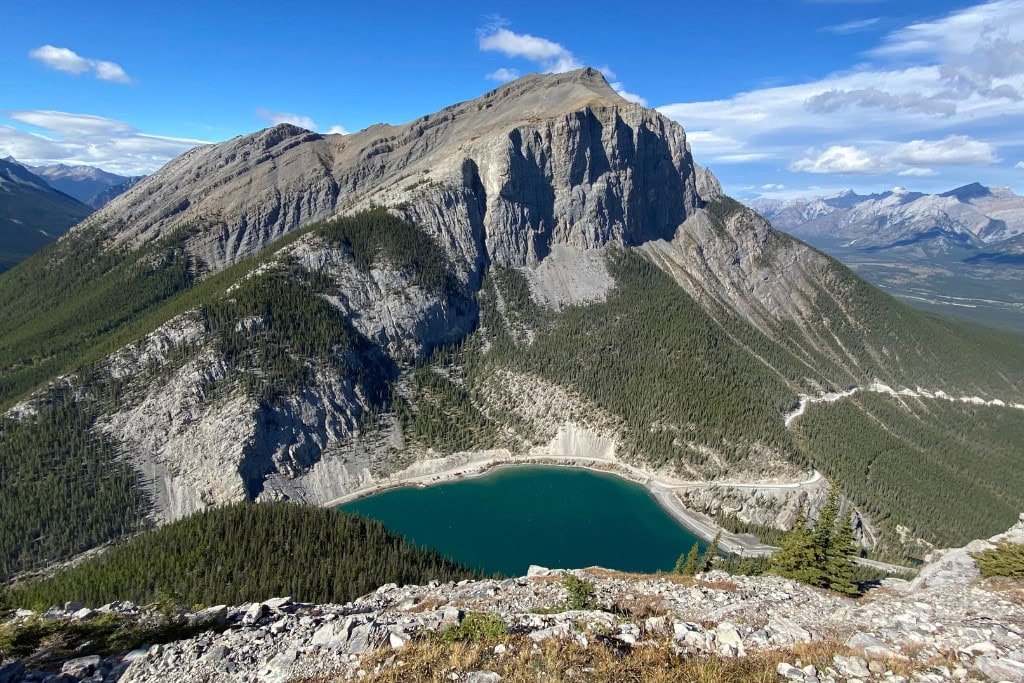
No matter what time of year you visit, Banff will offer a unique and memorable experience.
In the summer and fall, you can enjoy hiking, kayaking, and mountain biking, and the region’s key attractions are at their peak (this when Lake Louise and Moraine Lake are at their brightest).
Whereas the cold months are fantastic for skiing, ice skating, and dog sledding, and the landscape transforms into a winter wonderland.
However, fall is my favourite time of year in Banff. The weather is still warm enough for hiking and other outdoor activities, and the landscape is even more spectacular while lit up with the vibrant autumn colours.
In terms of attractions, Spring has the least to offer out of the four seasons, as the ski resorts close for the season, but there’s usually still too much snow for hiking.
However, spring is the cheapest time of year to visit, so is a great option if you’re more budget conscious. And it’s always a special time as you can witness the landscape come back to life after the long winter.
Is Banff Worth the Cost?
Banff can be expensive, especially during the peak summer and winter seasons. However, there are ways to enjoy it on a budget, like staying in campgrounds or more affordable accommodations just outside the park.
If you’re worried about the cost, I recommend planning ahead, travelling during the shoulder seasons (spring or fall), and taking advantage of free activities like hiking and sightseeing.
When we visited Banff our only real expense was accommodation. We had a car, so we drove ourselves or walked everywhere, and we did a lot of hiking which was mostly free (although we did have to pay some small fees for backcountry camping on our multi-day hikes).
And, although we did eat out a few times, we stayed in accommodations which had a kitchen, so we were able to prepare most of our meals at home.
While doing this did save us a lot of money, the accommodation and meals out were still quite expensive. But, for the experience we had in Banff, we felt the cost was justified, and we would definitely do it again!
When to Visit Banff
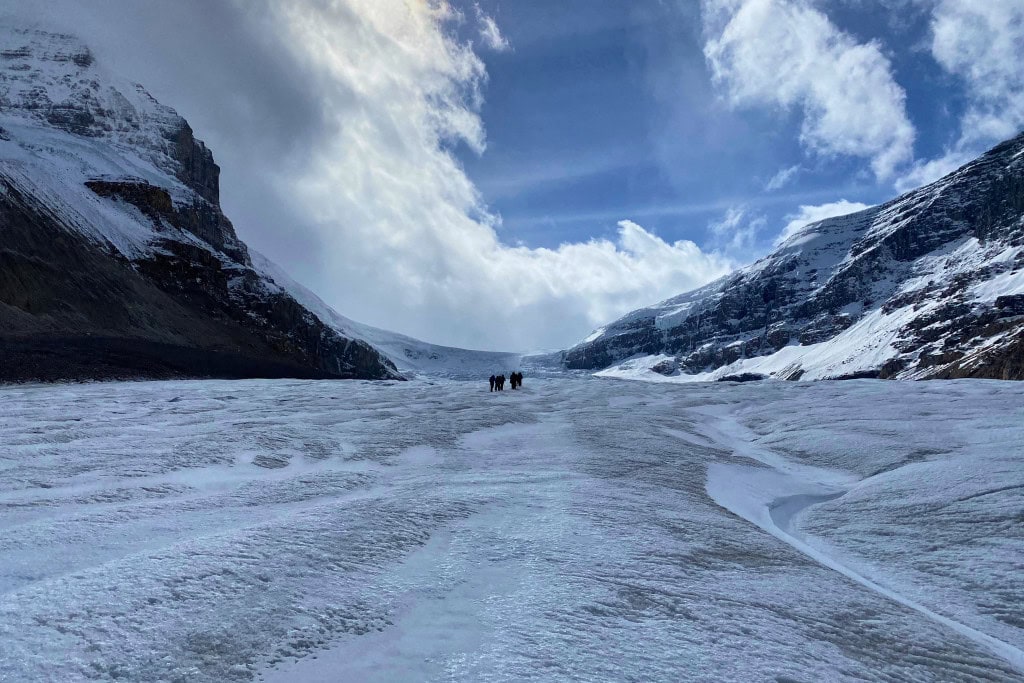
The best time to visit Banff really depends on what kind of activities you want to do.
- Summer (June to August): This is the peak season, when the weather is warmest and ideal for hiking, biking, canoeing and kayaking, and exploring the lakes. However, it’s also the busiest and most expensive time to visit.
- Fall (September to October): Fall offers milder weather, fewer crowds, and stunning autumn foliage, especially in late September and early October.
- Winter (November to March): Banff is a winter wonderland, with world-class skiing and snowboarding, and cozy winter vibes. Plus, Banff town is especially magical during the holiday season!
- Spring (April to May): This is the quieter time of year in Banff as the snow begins to melt and flowers start blooming. It’s a great shoulder season for those who prefer fewer crowds and are travelling on a budget.
Getting to Banff
Banff is easily accessible, making it an ideal destination for travelers.
- By Air: If you’re traveling from overseas or out of province, the closest airport to Banff is Calgary International Airport (YYC).
- By Car: The most popular way to get to Banff is by driving from Calgary, which is about a 1.5-hour drive (127 km / 79 miles). The Trans-Canada Highway (Highway 1) takes you straight into the park, and the drive offers stunning mountain as you get closer to Banff.
- By Bus/Shuttle: For those without a car, several shuttle services, like Banff Airporter and Brewster Express, run between Calgary Airport and Banff.
- By Train: The only train service that goes to Banff is the famous Rocky Mountaineer, which isn’t a cheap travel option. But, if you’re looking for a luxury travel experience with unparalleled views of the Canadian Rockies, this could be up your alley!
GETTING BETWEEN BANFF AND JASPER
You can’t visit Banff without also visiting neighbouring Jasper National Park.
Banff and Jasper are two of the most popular destinations in the Canadian Rockies, and they’re connected by the Icefields Parkway – one of the most scenic drives in the world.
The distance from Banff to Jasper along the Icefields Parkway is around 288 kilometres (179 miles), and the drive typically takes about 3.5 to 4 hours.
However, you’ll likely want to take longer because there are so many incredible spots to stop at along the way, like the Athabasca Glacier, Bow Lake, and Peyto Lake.
Note – Unfortunately in the summer of 2024 more than 32,000 hectares of Jasper National Park and part of the Municipality of Jasper was destroyed by wildfires. While the town will rebuild and the forest will regrow, this will have an impact on tourism over the coming months.
At present, only part of the park is open, there are limited services and attractions for visitors. We recommend checking the Parks Canada website for the latest updates before planning your trip.
How Many Days Do You Need in Banff?
How long you spend in Banff really also depends on what you’re looking to do there. If you have a multi-day trek on your itinerary, or are travelling from quite far away, you’ll likely need at least a week.
Whereas, if you’re just stopping off in Banff as part of a bigger Canada trip, just 2-3 days could be enough to see the park’s key attractions.
However, from my experience I would highly recommend spending at least a week in the Banff area.
This will give you enough time to visit all of Banff’s iconic sights, like Lake Louise and Moraine Lake, hike some of the region’s trails, explore the town, drive the Icefields Parkway, and even relax with some downtime at the hot springs.
Or, if you’re coming in the winter, a week will give you enough time to ski or snowboard at all three local ski resorts (maybe even more than once), as well as enjoy some of the area’s other top winter attractions.
Things to Know Before Visiting Banff
Before heading to Banff, here are a few essential things to keep in mind:
- Park Pass: To enter Banff National Park, you’ll need a valid National Park Pass. You can buy these online, at the park gates, or in town, and make sure to always display it on your vehicle’s dashboard.
- Wildlife Safety: Banff is home to bears, moose, elk, and other wildlife. Always be cautious and follow park guidelines, such as keeping a safe distance and never feeding the animals.
- Weather: Mountain weather can be unpredictable, even in the summer. Always pack layers, including a waterproof jacket, and be prepared for sudden changes in temperature when out exploring.
- Leave No Trace: Banff is a protected area, so it’s important to follow the Leave No Trace principles. Pack out all trash, stick to marked trails, and be respectful of the natural environment.
- Crowds: Banff can get very crowded, especially during peak season. If you’re looking to avoid the crowds, consider visiting in the shoulder season or getting up early to explore the more popular spots before the tour buses arrive.
Final Thoughts – Is Banff Worth Visiting?
So, is Banff worth visiting? In short, yes – Banff is absolutely worth visiting!
It’s one of Canada’s top destinations and for good reason. It combines some of the most stunning natural beauty in the country, with endless opportunities for outdoor adventure and small-town charm in a way few places in the world can.
Whether you’re into hiking, skiing, or simply relaxing and enjoying the views, Banff has something for everyone.
And, as I learned, even though it is a tourist hotspot, the region is well-equipped to accommodate so many visitors, and it’s still possible to escape the crowds. Therefore, I would highly recommend adding Banff to your travel bucket list.
Author: Chanelle Rosenbaum
Chanelle is the owner and author of Chasing Chanelle, a travel blog focussed on international travel, outdoor adventure, and life in Canada.
Having spent time living and travelling in North America, South America, Europe, and Australia, Chanelle is looking to inspire others by sharing her favourite travel experiences, expertise on moving abroad, and other tips and tricks she has learned along the way.
Sabiduri Planning Guide
🧘🏽♀️Where to find spiritual retreats around the World?
The good news is that they can be found in various locations, from secluded places in nature to bustling cities. Find your ideal retreat here!
🚑 Should you buy a travel insurance?
100% YES! — With basic coverage averaging just $50 for your stay, enjoy peace of mind with a plan from Travel SafetyWing, one of the biggest names in travel insurance.
🚗 Is it safe to rent a car around the World?
Yes — Renting a car is one of the best ways to see the country you find yourself in because public transportation cannot reach everywhere! I always rent with Discover Cars, which checks both international companies and local companies, so you get the best rates.
📴 Will my phone work abroad?
Maybe — It depends on your company, so check with your provider. If you don’t have a free service, buy a SIM Card once landed in the country.
🛌🏼 What’s the best way to book my accommodations?
For hotels, Booking is the best site, but for hostels, use Hostel World. If you’re considering Flats, don’t forget to also check Couchsurfing, which is free and you stay with locals.
🛩️ What’s the best site to buy flights?
For finding cheap flights, I recommend Kayak.
🛂 Do I need a visa for these destinations?
Likely Not — U.S., Canadian, and most European Passport holders don’t need a visa for most of destination around the World. BUT check here for more travel requirements. The majority of travelers will receive a 90-Day stamp Tourist Visa upon arrival.