Is Tikal a Spiritual Place? Secrets Mystery of Guatemala’s Ancient Mayan City

Are you wondering, “Is Tikal a spiritual place?” Then you’ve come to the right place because I’ve been there and can answer that question from personal experience!
The ancient Maya cities of Tikal stands as one of the most mystical and significant archeological sites in Mesoamerica.
Its towering pyramids, carved stone monuments, and grand plaza radiate an enigmatic telluric energy that has drawn spiritual seekers for centuries.
This is a place to awaken your inner wonder and connection to the sacred Maya civilization that created this sprawling ceremonial center deep within the Guatemalan rain forest. It certainly did for me when I visited with my family!
What is the Spiritual Significance of Tikal?
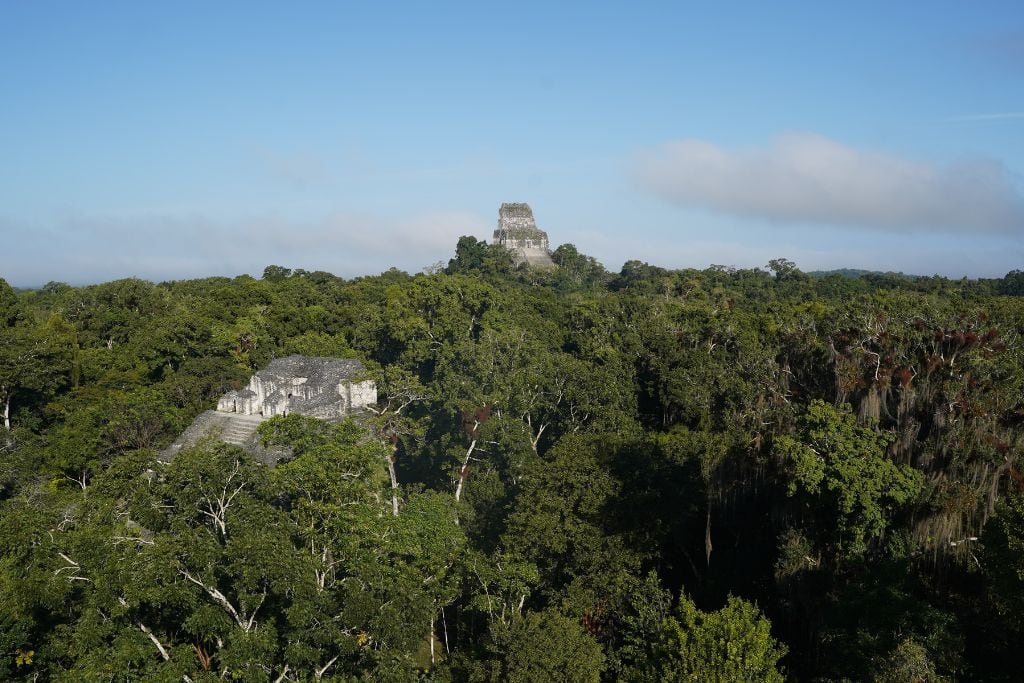
The mysteries of Tikal captivate the imagination. There are so many questions about it even hundreds of years later!
Why is Tikal a mystery? Why was Tikal abandoned? What are the reasons that Tikal is such an important Maya site? How long did it take to build it and when was it built? How old is Tikal?
Most importantly, what happened to Tikal that its people just left it to vanish forgotten into the jungle?
The history of Tikal that we do know includes that the Mayan people considered Tikal to be the metaphysical center and soul of their world. The name is derived from the Maya word ti’ak’al meaning “at the waterhole.”
The Maya city of Tikal history has origins that date back to the 6th century BCE. It grew over many centuries into a dominant telluric force with over 90,000 people living there at its peak.
It was only excavated starting in the 1950s after being abandoned over a thousand years ago.
Tikal was a leading religious, scientific, and political hub where the Maya practiced astronomy, developed their calendar systems, tracked solstices and equinoxes, and performed rituals and ceremonies honoring their deities.
The ruins of Tikal Guatemala, Central America, provide a window into this advanced society that achieved remarkable accomplishments in architecture, mathematics, astronomy, mayan art, and spirituality.
Their achievements and unexplained demise have solidified Tikal as one of the most important and enigmatic archaeological reserves of the pre-Columbian Maya world.
Where Is Tikal Located?
Tikal is situated in the north acropolis of the El Petén region of Guatemala, within the UNESCO World Heritage site of the Tikal National Park. Its remote location deep within the rainforests of northern Guatemala has helped preserve the ruins in astounding condition.
Visitors generally fly there from either Guatemala City or Antigua and then spend a few days in the nearby town of Flores, or take a day trip to Tikal from San Ignacio, Belize. My family did the latter and really enjoyed it!
Spiritual Facts About Tikal
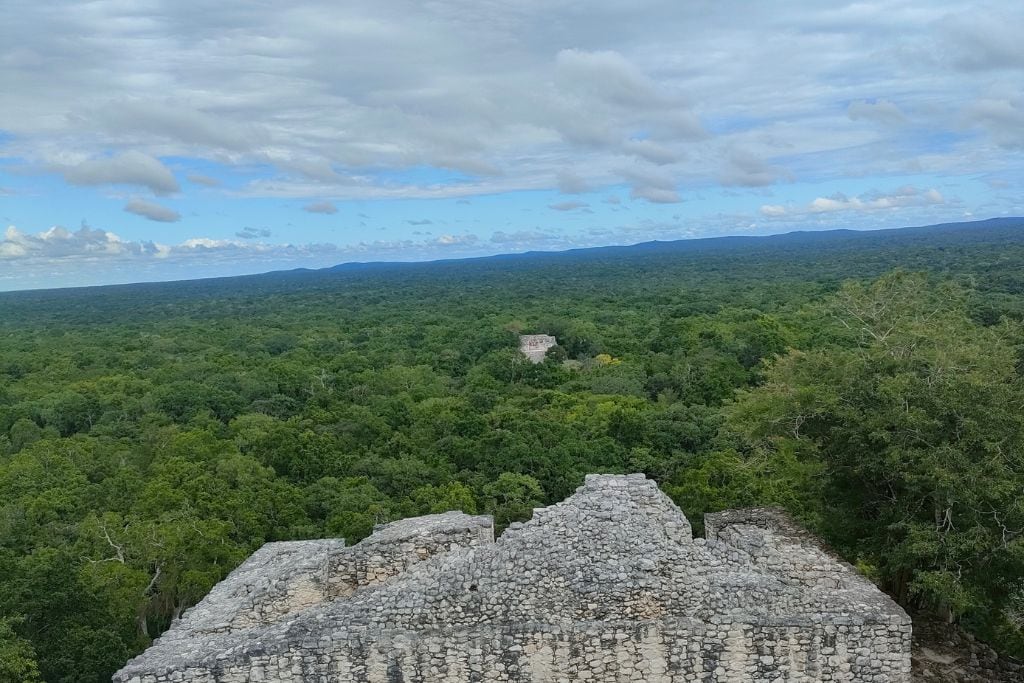
Tikal contains some of the most impressive Maya ruins with over 3,000 notable structures identified across 6 square miles.
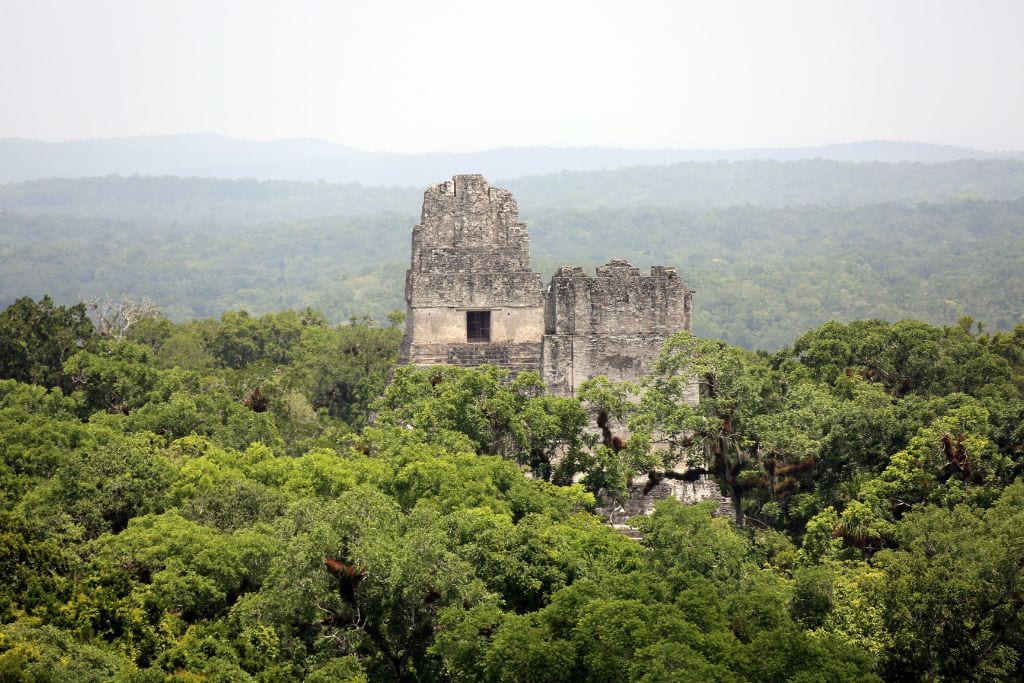
The towering Temple IV stands at 212 feet tall (El Mirador), one of the most massive and tallest structure in the Maya world.
The Lost World complex is lined with pyramids, magnificent temples, palaces, and stone monuments featuring elaborate stone carvings.
Key dates like solstices and equinoxes were tracked and celebrated at Tikal’s E-Group observatory. Trekking through the heart of the jungle to access Tikal’s remote ruins instills a sense of adventure.
The Tikal park entrance fee is $26 USD for foreign visitors/tourists. There’s a lower cost for Guatemalan nationals and residents.
The natural Park hours are 6 am to 6 pm daily. There are some guided sunrise and sunset tours that are allowed special entrance before and after these times. They’re great for exploring the spiritual side of Tikal!
Personal Experience in Tikal
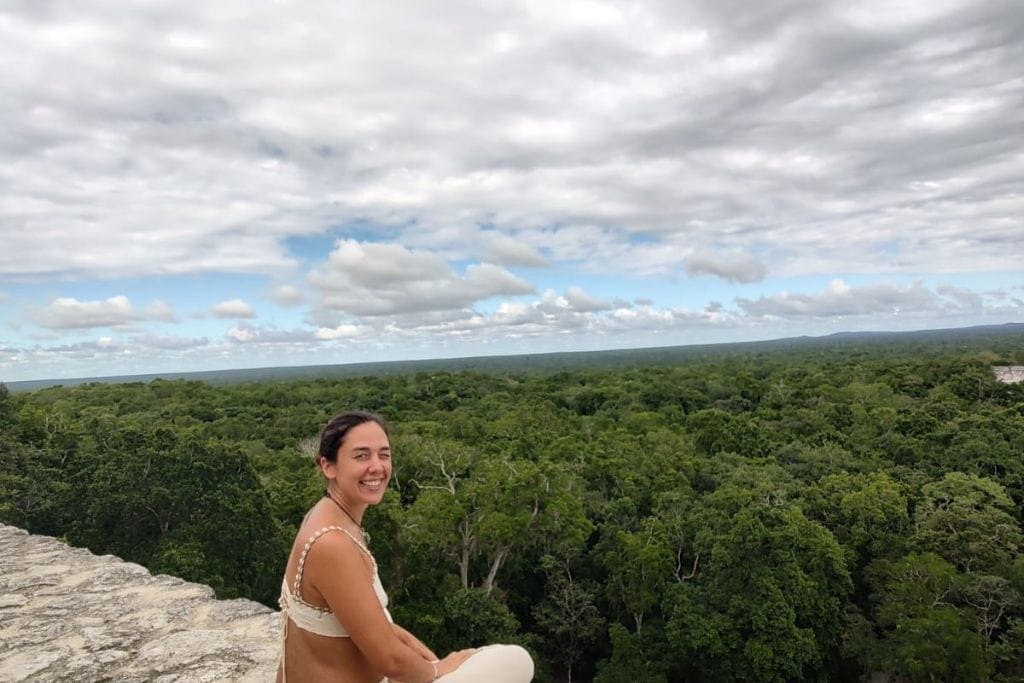
Our family was fortunate to visit the breathtaking ruins of Tikal among other Mayan sacred sites in Guatemala.
Climbing to the top of towering Temple IV and looking out over the emerald jungle canopy, with the tops of other ancient pyramids poking through, was an unforgettable experience.
I swear we could feel the lingering mystical energy and envision ceremonies taking place on those very stones over a thousand years ago!
Wandering through the main plaza, temples, and marked trails, it was awe-inspiring to be surrounded by such archeological wonders cloaked in lush foliage.
Our local guide shared the history and theories behind the rise and fall of this incomparable Maya metropolis.
FAQs: Inside Chichen Itza
Tikal vs Chichen Itza
These cities were once bustling with life and culture, serving as important religious and political centers for the Mayan civilization.
Tikal, also known as the “City of Echoes,” is situated in the rainforests of northern Guatemala. It was one of the largest and most powerful cities during the Classic Period (200-900 AD) of Maya civilization.
The city was home to around 100,000 people at its peak and covered an area of about 25 square kilometers. With its impressive temples, pyramids, palaces, and other structures, Tikal was a center for art, trade, and religious ceremonies.
Chichen Itza was one of the largest cities in the Yucatan Peninsula, Mexico. It flourished during the Postclassic Period (900-1521 AD) and was a hub for trade and astronomy.
The famous El Castillo pyramid stands as a testament to the architectural prowess of the Maya people.
Best Time to Visit Tikal?
The best time to visit Tikal is during the dry season from November to April when the weather is sunny and relatively cool.
Going early morning allows you to witness the ruins bathed in golden light and avoid the mid-day heat, plus you’ll beat the larger tour groups arriving later.
Getting to Tikal
Getting to Tikal can be done by flying from Guatemala City into the nearby town of Flores. Taking a guided tour from Flores is often the most convenient option.
While public “chicken buses” (repurposed old U.S. school buses) and rental cars are possibilities, the roads in this remote region of Guatemala can be quite poor. Having driven through Guatemala, I don’t recommend these options.
A guided tour with professional transport is by far the best to reliably and safely experience the remarkable ruins of Tikal.
Restaurant Tikal
There are a couple of basic restaurants located right near the entrance to Tikal, but none actually within the archaeological site itself.
If you plan to spend several hours exploring the Tikal ruins, it’s best to bring your own snacks and plenty of water, as the midday heat can be quite intense.
The restaurants by the entrance offer simple fare, but you’ll want to carry food and hydration with you during your visit since there are no dining facilities amid the maya temples of transformation and great plaza of this vast archaeological park.
Hotels in Tikal National Park
Most people who visit Tikal do so on a day trip from either San Ignacio Belize or Flores Guatemala.
There are only three hotels inside Tikal National Park: Jungle Lodge Hotel, Hotel Tikal Inn, and Hotel Jaguar Inn Tikal.
Be prepared with an adventurous spirit for probable electricity cuts overnight (so no fans or AC for sleeping). That said, they’re a great way to do some night time wildlife spotting and jungle stargazing!
Wrap-Up: Is Tikal Worth Visiting?
Is Tikal worth visiting? Absolutely. This ancient Maya ceremonial site awakens profound reverence and wonder.
Towering pyramids, secluded plazas adorned with intricate carvings, and a palpable aura of sacred mysticism provide an unparalleled glimpse into a highly advanced, astronomy-driven advanced civilization.
My family’s experience wandering the trails of these abandoned yet hallowed ruins, still radiating spiritual energy after over a millennium, was incredibly moving and inspirational.
If you want to connect with humanity’s sacred past amid stunningly preserved archaeological marvels, make the journey to the jungle-cloaked magic of Tikal. I know you won’t regret it!
Author: Brodi Cole
Brodi Cole is an experienced digital nomad and travel blogger at Our Offbeat Life who has visited over 26 countries with her family in the past decade.
After working for 15+ years in HR management, she transitioned to a nomadic lifestyle and career in content writing and SEO. Her global travels have taken her across North America, the Caribbean, Asia, Europe, and from Mexico down to the southern tip of Argentina via the Pan-American Highway.
Brodi holds a Bachelor’s in English Literature and a Master’s in Human Resources Management.
Sabiduri Planning Guide
🧘🏽♀️Where to find spiritual retreats around the World?
The good news is that they can be found in various locations, from secluded places in nature to bustling cities. Find your ideal retreat here!
🚑 Should you buy a travel insurance?
100% YES! — With basic coverage averaging just $50 for your stay, enjoy peace of mind with a plan from Travel SafetyWing, one of the biggest names in travel insurance.
🚗 Is it safe to rent a car around the World?
Yes — Renting a car is one of the best ways to see the country you find yourself in because public transportation cannot reach everywhere! I always rent with Discover Cars, which checks both international companies and local companies, so you get the best rates.
📴 Will my phone work abroad?
Maybe — It depends on your company, so check with your provider. If you don’t have a free service, buy a SIM Card once landed in the country.
🛌🏼 What’s the best way to book my accommodations?
For hotels, Booking is the best site, but for hostels, use Hostel World. If you’re considering Flats, don’t forget to also check Couchsurfing, which is free and you stay with locals.
🛩️ What’s the best site to buy flights?
For finding cheap flights, I recommend Kayak.
🛂 Do I need a visa for these destinations?
Likely Not — U.S., Canadian, and most European Passport holders don’t need a visa for most of destination around the World. BUT check here for more travel requirements. The majority of travelers will receive a 90-Day stamp Tourist Visa upon arrival.