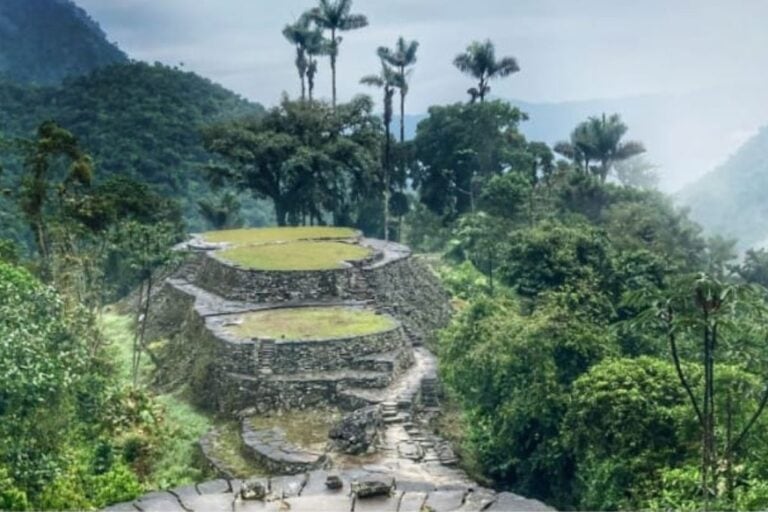
What is the spiritual meaning of Santiago de Compostela?


Santiago de Compostela, Spain has been a site of spiritual pilgrimage for centuries ever since the remains of the Apostle Saint James were allegedly found nearby in the 9 th century.
Since then, Santiago de Compostela has become famous as the final destination of the Camino de Santiago.
Millions of people have trekked across Spain, France, Portugal, and elsewhere in Europe along the Camino to reach this city and the Apostle’s resting place.
In this post, I’ll share more about the spiritual meaning of Santiago de Compostela and what it’s like to visit this city.
I myself completed the Camino de Santiago last year, spending 33 days hiking almost 500 miles across the Camino Francés route in northern Spain.
Like so many before me, I ended my journey in Santiago de Compostela to visit the cathedral and Saint James’ remains. Part of the magic of the Camino is being able to get lost in the typical day to day on the trail.
I only had to spend each day really thinking about where I was heading next and taking care of my basic needs. It gave me so much room to heal from heartbreak I had experienced the year before and to think about what I wanted to do next in life.
And then finally making it to Santiago de Compostela after dreaming about it for so long felt surreal. I remember walking through the streets of the town on my way to the cathedral excited but also telling myself, “This is it. Your journey is over.”
It felt like magic walking into the cathedral square, greeted by a bag piper, and then celebrating the end to the hike with my new Camino friends.
But we felt quite sad too because even though the pain of walking day after day was over, so too was our time together.
What is the Spiritual Meaning of Santiago de Compostela?
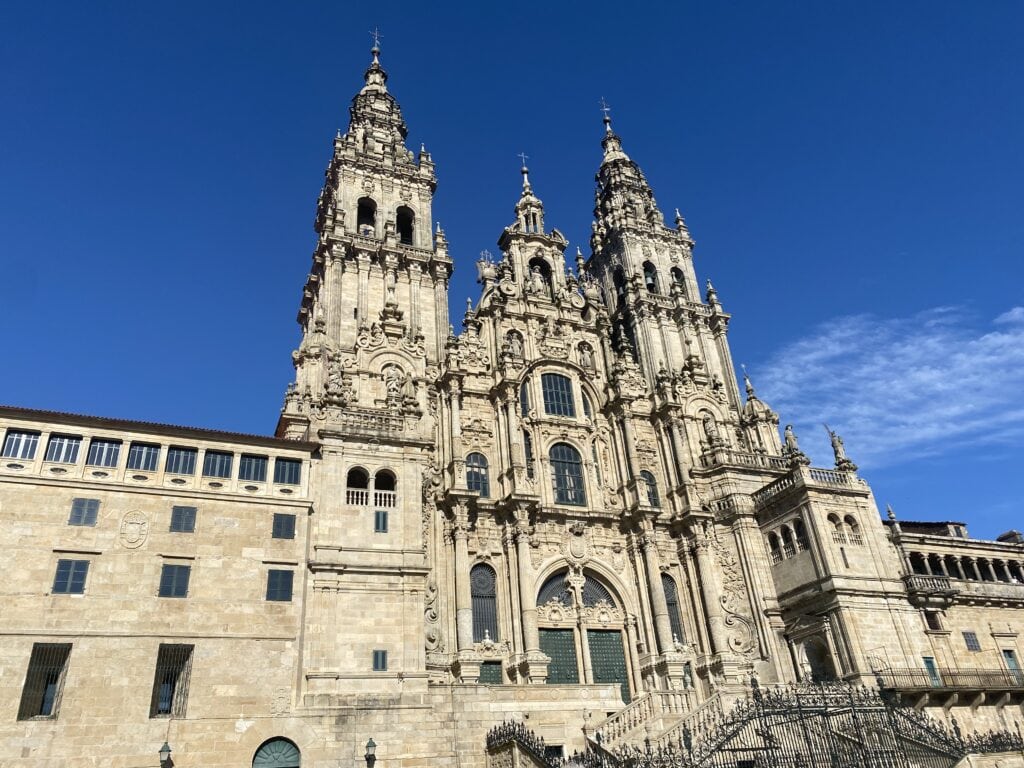
The spiritual meaning of Santiago de Compostela lies not only in its role in housing the remains of the Apostle Saint James but also in its symbolism as the end to a journey of perseverance, personal growth, and self-discovery.
For those who hike the Camino de Santiago, Santiago de Compostela is much more than a religious site. It marks the end to a transformative journey and perhaps the start to a new chapter in life.
For me, the Camino and my arrival in Santiago de Compostela represented a new beginning.
I had experienced deep pain the year before with my engagement coming to an unexpected end less than three months before the wedding.
That’s when I decided I need to hike the Camino and make some changes in my life to prioritize myself and the things that made me happy.
The Camino was the start of that and now I’m working to radically change my life and move abroad.
I’m not the only one. I met many others on the Camino who were also searching for answers and new directions in their lives. I made friends with people who were healing from loss, looking for new jobs, and wanting to change their path in life.
The spiritual journey to Santiago de Compostela helped give us all the space to think to ourselves and find those answers.
Santiago de Compostela Map
Santiago de Compostela is located in Galicia, an autonomous region in the northwest of Spain, just above Portugal.
Santiago de Compostela History
A UNESCO World Heritage site, Santiago de Compostela has a rich history. The city’s spiritual significance dates back to when a hermit saw a mysterious light shining over a forgotten Roman tomb at the start of the 9 th century.
It is said that the tomb held the remains of the Apostle Saint James.
Shortly after the discovery, the Camino de Santiago was born as pilgrims started to travel from all over Europe to visit Saint James’ remains.
Towns, churches, hospitals, and monasteries were built along Camino routes to support pilgrims on their journeys.
A church was built over the tomb, later replaced by a larger structure, and Santiago de Compostela soon became famous for being the most important site of Christian pilgrimage after Jerusalem and Rome.
The city was destroyed by the Moors in 997, and construction on the current cathedral started in 1078. According to UNESCO, Santiago de Compostela “became a symbol in the Spanish Christians’ struggle against Islam.”
To this day, around half a million pilgrims walk, bike, or ride on horseback along the Camino to visit Santiago de Compostela each year. Plus, many other visitors from all over the world come to the city for its religious significance even if they’re not completing the Camino.
Spiritual Things to Do in Santiago de Compostela

There are a number of spiritual things to do in Santiago de Compostela.
Here are some of the top activities I recommend:
1. Walk Aroung the Old Center
As a UNESCO World Heritage site, the old center in Santiago de Compostela is a wonderful place to explore.
Take in the sights of the massive cathedral, and if you’re there during a popular time of year for hiking the Camino, spend some time watching pilgrims arrive in the square.
2. Getting There from Camino de Santiago

If you’re not hiking the Camino de Santiago, it can be a cool experience to retrace the steps of pilgrims and enter the city as they do.
Walk to Tapa Tapiña towards the edge of the main part of town and then follow the yellow shell symbols back to the main cathedral square.
Of course, if you’d like, you could walk even further. Check out the Wise Pilgrim app and download the Camino Francés route map. That’s the most popular route on the Camino and the way that most pilgrims enter the city.
3. Admire the Architecture

Throughout the city, you’ll find well preserved architectural styles from the Middle Ages, Renaissance, and later.
I loved wandering around taking in all of the buildings. To me, the streets of Santiago de Compostela felt like stepping into another time.
4. Eat Localties
You can’t visit Santiago de Compostela without trying Tarta de Santiago. This almond cake was supposedly brought to Galicia centuries ago by a pilgrim and was then eaten by those hiking the Camino de Santiago on their way to the cathedral.
It has the cross of Saint James on it and even has Protected Geographical Indication Status.
In addition, Santiago de Compostela is known for boiled octopus, called pulpo a gallega or pulpo á feira. It’s a must try when in the city.
Of course, there are also tons of great tapas spots in town, and you should check out the Mercado de Abastos food market for good seafood and wine.
5. Largest Incense Burners
One of the best activities in Santiago de Compostela is attending Mass at the cathedral to see the Botafumeiro. This is a unique incense that weighs 116 pounds (53 kg) and swings overhead during the service.
The church doesn’t operate the Botafumeiro at every Mass, but they will bring it out during holidays and at the request of certain pilgrims. It’s an incredible sight to see.
If you attend Mass and don’t see it, then I recommend going to another Mass to try again if you have time. Mass is held each day at 7:30 a.m., 9:30 a.m., 12 p.m., and 7:30 p.m.
Getting to Santiago de Compostela
There are a number of ways to get to Santiago de Compostela depending on where you’re coming from.
Of course, many visitors arrive on foot after walking the Camino de Santiago, but there are many transportation options as well if you don’t want to hike the Camino.
Santiago de Compostela has an airport with flights to other cities in Spain and some bigger cities throughout Europe.
Train travel is an option as well. You can reach Santiago de Compostela in around three to four hours by train from Madrid.
Buses are another option. Especially if you’re coming from Portugal, bus is likely your best option. I personally traveled to Lisbon after my Camino and took a bus to Porto, spent the night there, and then took a bus to Lisbon the next day.
Santiago de Compostela Hotels
As such a popular spiritual destination, Santiago de Compostela has many places to stay at a range of prices. I recommend staying close to the main cathedral if you can as that’s the most centrally located.
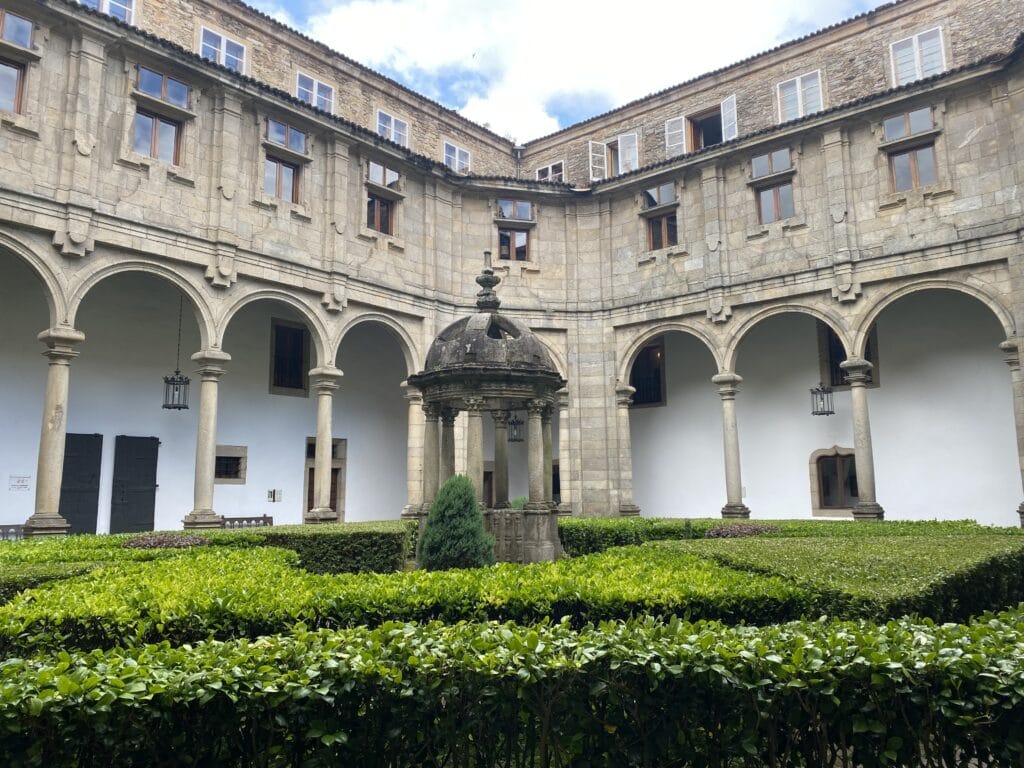
Luxury Option: Parador Hostal Real de Santiago de Compostela
If you can make it happen, I recommend staying at the Parador Hotel. This hotel will make your spiritual visit to Santiago de Compostela even more special as it has historical significance.
Located right next to the cathedral, this hotel was built in the 12 th century for pilgrims hiking the Camino de Santiago.
I stayed here myself at the end of my Camino de Santiago and highly recommend it. It’s a stunning hotel and feels like you’re in Hogwarts. Plus, I found the price to be quite a good value for what it was.
Mid-Range Option: Hotel Carris Casa De La Troya
Check out Hotel Carris Casa De La Troya for a mid-range option. This hotel is centrally located near the cathedral and is highly rated.
Cheap Option: Libredón Rooms
Libredón Rooms is an affordable option located in the center of the Old Town right next to the cathedral. It’s small but well reviewed.
FAQs What is Santiago de Compostela Famous For?
What is the Spiritual Significance of Walking the Camino de Santiago?
For over 1,000 years, people have walked the Camino de Santiago.
Many have done so for religious reasons, visiting various churches and other religious sites along the way.
Others have done so more for a personal spiritual reason—wanting to grow as a person or learn something about themselves.
What is the Significance of the Santiago de Compostela?
Santiago de Compostela is famous for housing the alleged remains of the Apostle Saint James.
Saint James’ burial there started the famous pilgrimage called the Camino de Santiago and has inspired millions to make the trek for centuries. Santiago de Compostela is typically the final
destination point for pilgrims hiking the Camino.
Why is the Camino de Santiago Considered Sacred?
The Camino de Santiago is considered sacred because it started as a religious pilgrimage to reach the Apostle Saint James.
Not everyone hikes for religious reasons, but just about everyone is looking for some sort of transformation from the experience.
Is Galicia Worth Visiting?
Galicia is absolutely worth visiting. Aside from getting to see the highly important spiritual destination of Santiago de Compostela, the larger autonomous region of Galicia has much to offer.
It’s known as the Scotland of Spain because it rains quite a bit there and the landscapes are lush and green. The region has a unique mix of Celtic and Spanish heritage.
Plus, it’s known as one of the best places in the world for eating seafood.
Conclusion: Is Santiago de Compostela Worth Visiting?
The spiritual significance of Santiago de Compostela makes it worth visiting if you’re religious or interested in the Camino de Santiago. It’s such a special and unique place for that alone but has so much more to offer as well.
In addition to being such an important Christian pilgrimage site, Santiago de Compostela is famous for its architecture, food, and the arts.
Santiago de Compostela is worth visiting if you’re interested in any of these things.
I personally loved my visit to the city. The old architecture and narrow streets made the city feel so magical and different from anywhere else I’ve been. I loved taking in the magic of the Camino there and being able to stay in such a historic hotel.
I’d love to go back to Santiago de Compostela and try more of the food and wine and perhaps go on a day trip to the stunning Galician coast.
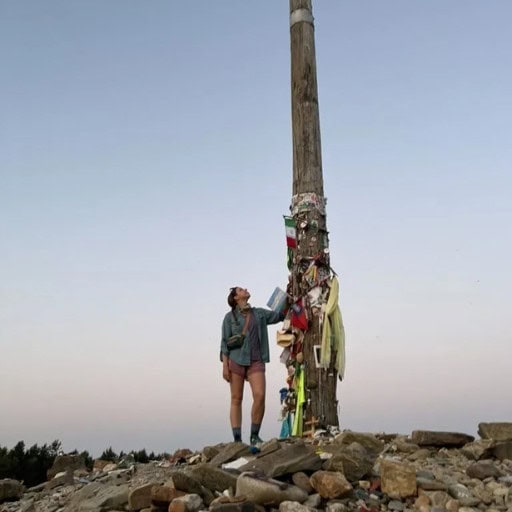
Author: Mikala Whitaker
Mikala Whitaker is owner and founder of The Unanchored Passenger.
She writes extensively about the Camino de Santiago and focuses her blog on providing information and inspiration to help others travel more.
She provides tips for solo travel, resilience after heartbreak, and unconventional living. When she’s not writing, she’s traveling and enjoying time with her greyhound, Carson.
Sabiduri Planning Guide
🧘🏽♀️Where to find spiritual retreats around the World?
The good news is that they can be found in various locations, from secluded places in nature to bustling cities. Find your ideal retreat here!
🚑 Should you buy a travel insurance?
100% YES! — With basic coverage averaging just $50 for your stay, enjoy peace of mind with a plan from Travel SafetyWing, one of the biggest names in travel insurance.
🚗 Is it safe to rent a car around the World?
Yes — Renting a car is one of the best ways to see the country you find yourself in because public transportation cannot reach everywhere! I always rent with Discover Cars, which checks both international companies and local companies, so you get the best rates.
📴 Will my phone work abroad?
Maybe — It depends on your company, so check with your provider. If you don’t have a free service, buy a SIM Card once landed in the country.
🛌🏼 What’s the best way to book my accommodations?
For hotels, Booking is the best site, but for hostels, use Hostel World. If you’re considering Flats, don’t forget to also check Couchsurfing, which is free and you stay with locals.
🛩️ What’s the best site to buy flights?
For finding cheap flights, I recommend Kayak.
🛂 Do I need a visa for these destinations?
Likely Not — U.S., Canadian, and most European Passport holders don’t need a visa for most of destination around the World. BUT check here for more travel requirements. The majority of travelers will receive a 90-Day stamp Tourist Visa upon arrival.can be found in various locations, from secluded places in nature to bustling cities. Find your ideal retreat here!r your spirit animal pendant to wear and keep with you at all times.r your spirit animal pendant to wear and keep with you at all times.