Huancabamba in Peru: Embark On A Spiritual Journey
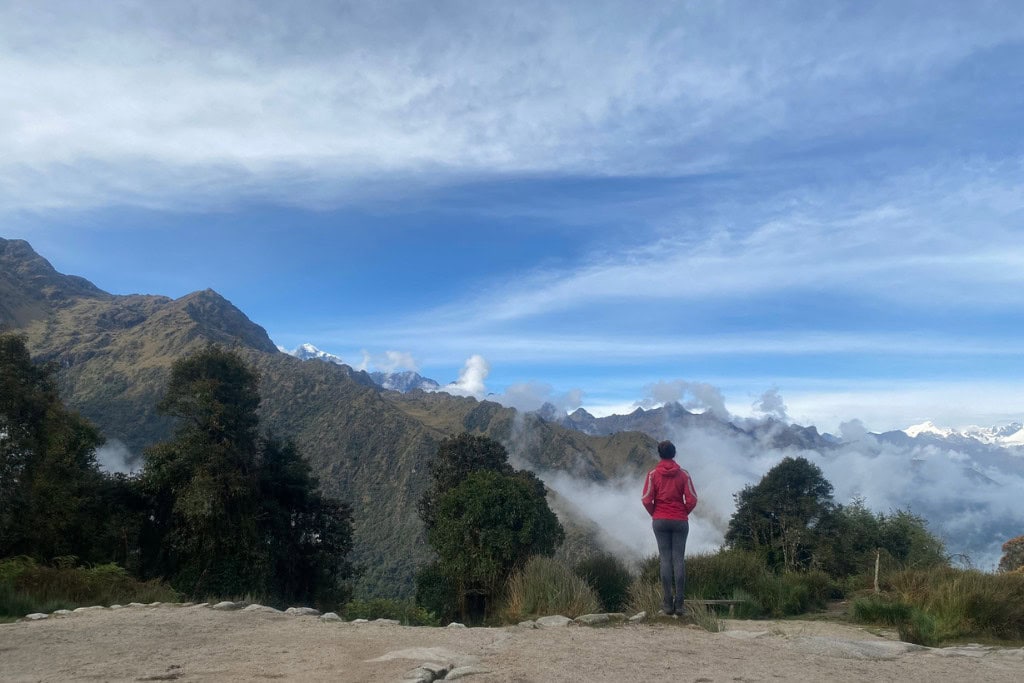

Discovering Huancabamba: Peru’s Sacred Spiritual Gateway
Huancabamba, a small town deep in the middle of the Piura region of northern Peru is also called the starting point of the Andes (and if you think that name is hard to pronounce, you are not the only one!).
This town, or pueblo, is known for being a sacred, spiritually important place in Peru.
Today, it is a coveted destination not only for Peruvians but also for thousands of international spiritual travelers seeking solace and healing here.
So, if you are drawn not just to spectacular mountain views and hikes but also to spiritual ancestral teachings, fascinating ceremonies, music, and healing journeys, you will love visiting Huancabamba.
The town is the regional capital of the province that shares its name and is connected to the old, long part of the Inca Trail leading from Quito, Ecuador, via Cajamarca, Cusco, and all the way south to Argentina during the height of the Inca Empire.
Quick Facts Huancabamba
Known for: the sacred Huaringa Lagoons
Language: Spanish
Currency: Peruvian Sol
Located: northern Peru, close to the border with Ecuador
Huancabamba in Peru: A Land of Mysticism and Healing

This ancient mountain settlement lies thousands of kilometers north of the famous Inca Trail trek to Machu Picchu, which thousands of other travelers and I have walked, near Cusco and the Sacred Valley of the Incas.
Huancabamba is a mountain village located 6329 feet (1930 meters) above sea level, filled to the brim with mysticism, ancient history, and, not least, spiritual significance for the Incas.
For centuries, Huancabamba has been an important destination for people seeking spiritual healing and connection to the sacred through Andean rituals practiced here.
Huancabamba is actually called “pueblo de Los Brujos”, or the village of witches in English.
The Indigenous peoples of the Andes believed in a concept called “ayni”, which is a two-way relationship between humans and the spirit world that involves divination practices used to gain healing and insight through guidance from the gods and ancestral spirits.
Huancabamba is especially known for its mystical lagoons of Las Huaringas, important landmarks in Peru, which are said to have healing properties for those bathing here. These lagoons are protected as UNESCO World Heritage Site list, and powerful shamanic traditional ceremonies are still practiced here today.
Huancabamba is famous throughout Peru and far beyond its borders for its spiritual significance, and its curanderos, healers, and Peruvians, as well as international travelers, come here in search of healing or enlightenment.
Huanacabamba is a place where you, as a modern spiritual traveler, can connect with ancient Andean rituals.
Spiritual Significance of Huancabamba
The Inca Trail was once the connection between the different parts of the vast Inca Empire, linking the northern capital, Quito, with the most important city in the Inca Empire, Cusco, in Peru, and all the way south to Santiago in Chile.
This long trail was a trade route for centuries between important cities and outposts in the Inca empire, moving goods, people, and information.
It is also believed to have moved large armies during the civil war between Quito and Cusco, where two brothers fought a fierce battle over the right to reign after their father died in the 16th Century.
Huancabamba’s status as an important spiritual site rooted in ancient Inca traditions dates back long before the Spanish conquistadores arrived in Peru in the 16th Century.
When the Spanish arrived, however, they brought Christianity with them, and in the centuries that followed, the spiritual practice in Huancabamba evolved into a mix of Christian and ancient Indigenous sacred traditions, which also affected how the locals conducted their rituals.
Today, the spiritual ceremonies blend ancient Inca traditions with elements of the Christian faith. In the Huancabamba pueblo and the lagoons high above, ceremonies are still held almost every night by shamans, or curanderos.
Shamanic Traditions: The Curanderos Role in Modern Spiritual Practices
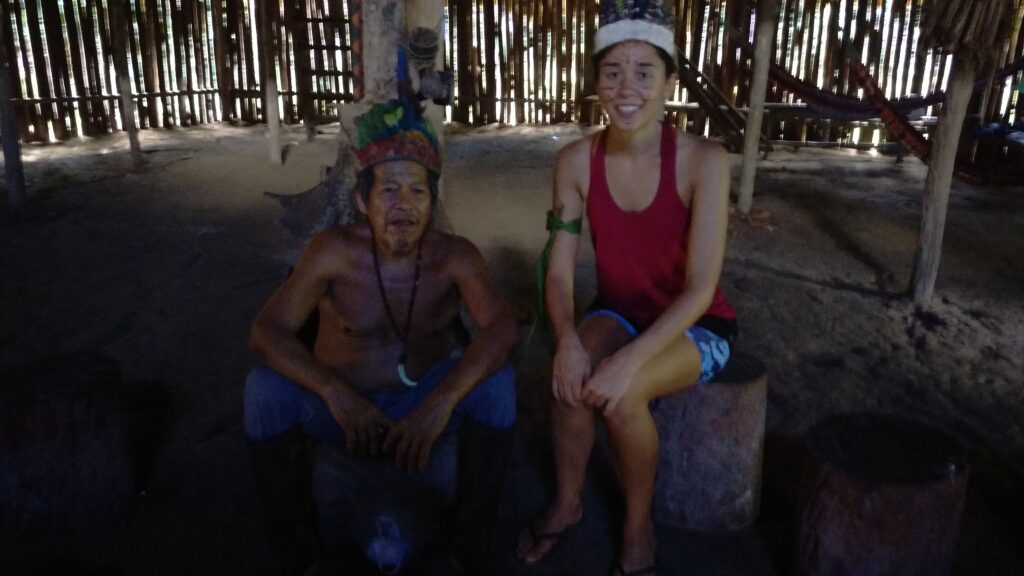
If you participate in a sacred, spiritual healing ceremony in Huancabamba, you will often begin with a ceremony at the home of a curandero.
A curandero is not just a healer but a revered figure and a bridge between the physical and spiritual realms. They are also considered spiritual guides and keepers of ancient Incan wisdom.
Curanderos have a close bond with Pachamama (Mother Earth), believing that our health is not just about our bodies but also our spirit, and that the two must remain in balance.
If you participate in rituals led by a curandero, the ceremony will normally take place in his or her home, where they will set up their mesa de brujo, their “witchcraft table,” and place their equipment during the healing rituals.
You may be invited to drink natural medicine, accompanied by chants, sword-waving, and other meaningful practices. For anyone in need of deeper healing, the ceremony might include a brew made from the San Pedro cactus, a hallucinogenic plant revered for centuries.
Under the curandero’s guidance, this plant is said to bring you visions, emotional release, and a newfound clarity, amid chants, music, and sometimes a lot of laughter! (Curanderos are actually known for their humor, connecting healing with joy and simplicity).
If you choose to be a participant in these ceremonies today, you will be given mild, sometimes imperceptible, doses of this traditional medicinal brew.
Simply ingesting the medicines is believed to have healing properties, and it is not necessary to take a large or strong dose for a profound experience.
During the ceremony, the shaman will chant and sing vigorously over the “patient” to channel divine energy to heal them and remove negative energy.
Throughout the night, a vigil (wake) is held in the shaman’s home until dawn.
Trekking To The Sacred Lagoons
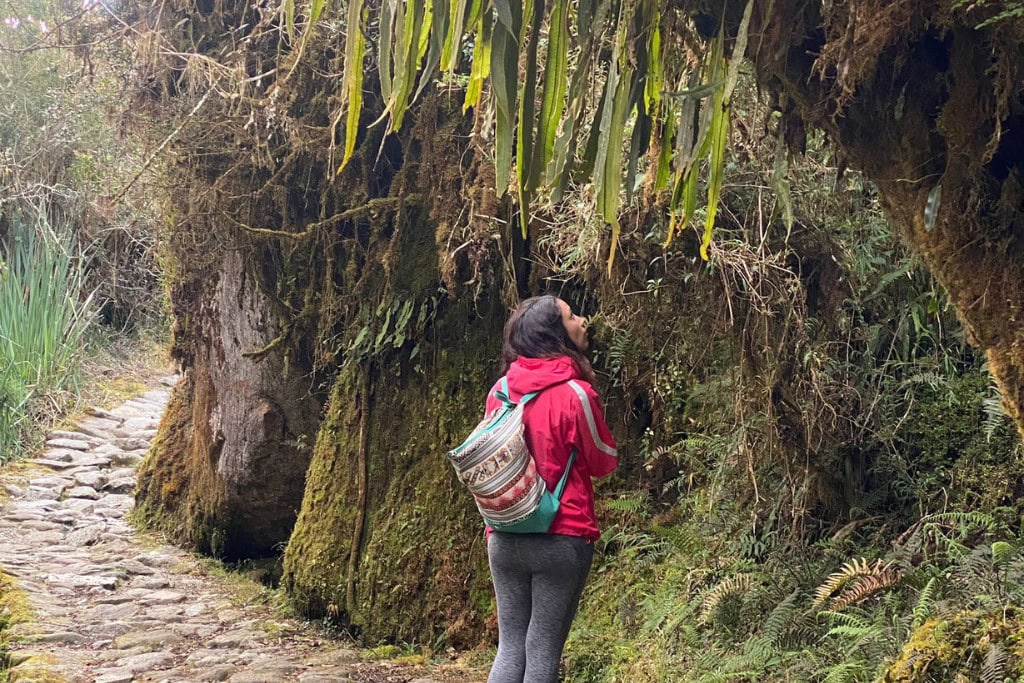
At first light, you can finally start the trek (or horseback ride) up to the sacred lagoons, climbing to 2000 meters or more to reach the lagoon area, which is located at almost 4000 meters (13.123 feet) in the Huamani Mountain Range.
The hike or ride along the rugged mountain paths typically takes about 6-8 hours, winding through beautiful forests, crossing rivers, and traversing airy mountain ridges.
This journey can be a bit challenging for some people due to the high altitude, but it is also known for its spectacular views and for passing through small, authentic Andean villages along the way.
When you finally arrive at the sacred lagoons, those who have drunk the medicinal brew will be asked a set of questions and personal details before the start of the ceremony by the lagoon.
The curandero will guide you with his chants and cleansing rituals before you finally head out into the mountain water and immerse yourself in the freezing cold lagoon to cleanse yourself of whatever negative energy is causing the problem you came here to resolve.
The entire experience of the ceremonies, including the songs, rituals, and bathing in the sacred lagoons, is considered the most important part of the whole journey, and where your healing will take place.
A Place for Healing: The Mystical Lagoons of Las Huaringas
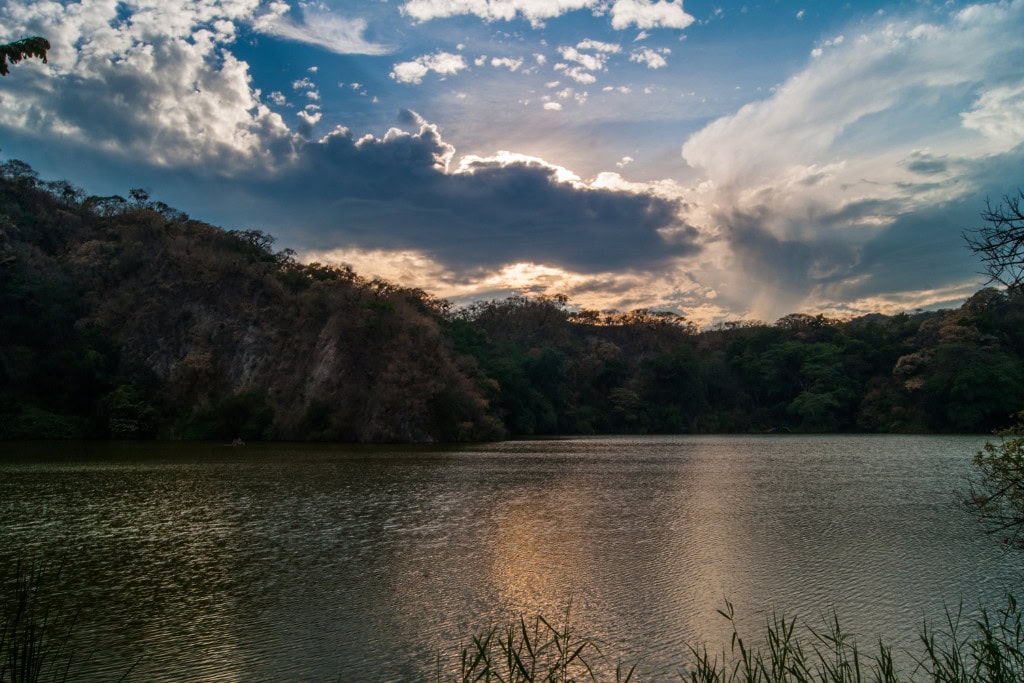
The Mystical Lagoons of Las Huaringas consist of 14 a total of sacred lagoons of Las Huaringas that are known for their healing properties.
People flock to these lagoons with the hope of relief from whatever problem they are facing, be it physical, spiritual, emotional, or psychological.
Getting to the lagoons from Huancabamba is a unique journey in itself, as they are situated around 40 miles (60 kilometers) north of Huaringa at about 4000 meters altitude, and you can only travel here on foot or horseback.
To help you get to the sacred Las Huaringas, you need to find a curandero in Huancabamba to take you through the sacred healing rituals and guide you on the journey to the lagoons.
The most visited lagoon is Laguna Negra, said to have the power to cure, especially headaches and eyesight problems, while the largest lagoon is Laguna Shimbe.
How to Experience The Spiritual Energy Of Huancabamba
If you are an adventurous spiritual traveler, you can find your own way to Huancabamba by traveling via the city of Piura and north on the local bus or in a rental car (remember that the roads are narrow and winding along steep mountain sides and are not for the faint of heart!).
You can also join guided tours from Piura with Peru Travels.
5 Places You Should Visit Around Huancabamba
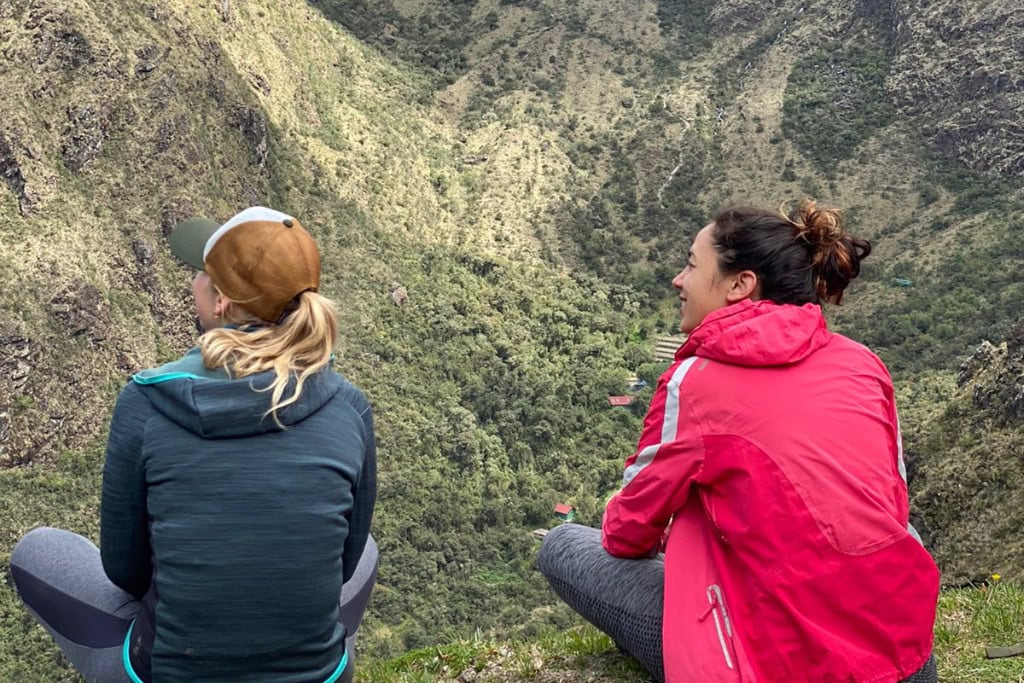
#1. Las Huaringas Lagoons
To visit the heart of Huancabamba’s spiritual soul, the hike (or horseback ride) to the most-visited lagoon, La Laguna Negra, takes about 2.5 hours.
Drive from Huancabamba to Salala, a trip of about 2.5 hours, where the trek starts.
IMPORTANT: Remember that you need to walk with a curandero to visit this complex of lagoons, which are known for their sacred healing properties!!!
#2. Jaguar Temple
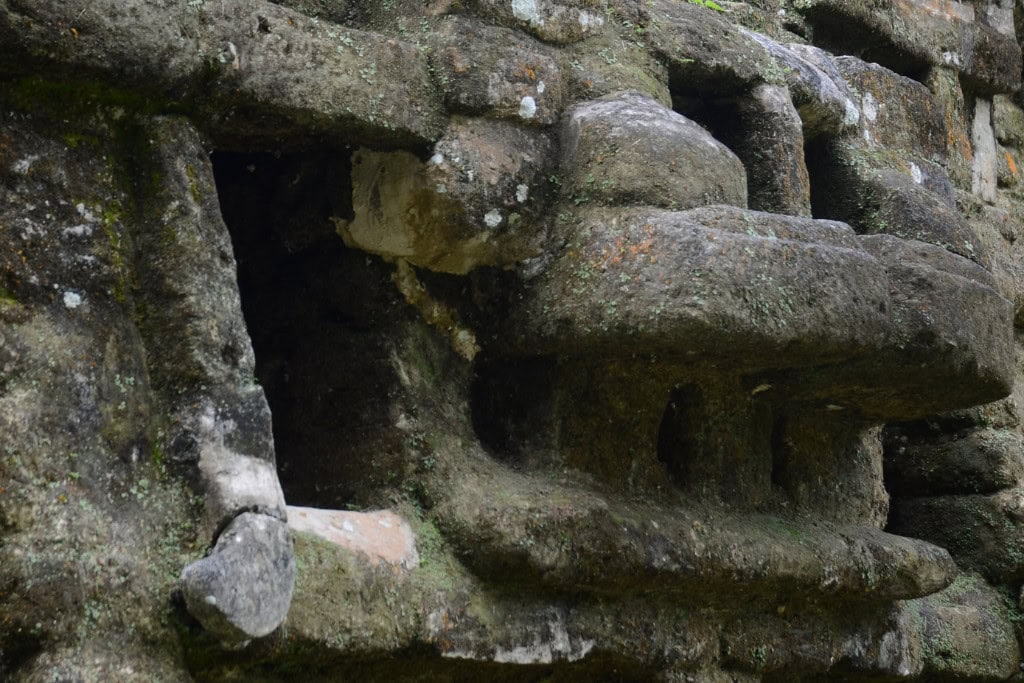
The Jaguar Center is a religious site, originally built about 1200 SD, with stone sculptures of two jaguars and altars where ritual offerings were made.
When the Incas conquered the territory in the 15th Century, they introduced the cult of the sun, and the jaguars and altars were covered with red clay. You find this site about an hour’s drive away from Huancabamba in the Sondrillo District.
#3. Los Peroles de Cascapampa
Also, in the Sondrillo District, about 1 hour and 20 minutes from Huancabamba, is Los Peroles de Cascapampa, where you can visit a trout farm and a natural lagoon to stroll around on pedal boats.
In Los Perros de Cascapampa, there is also a trout farm and interesting natural rock formations carved out by water over millennia.
#4. Canchaque
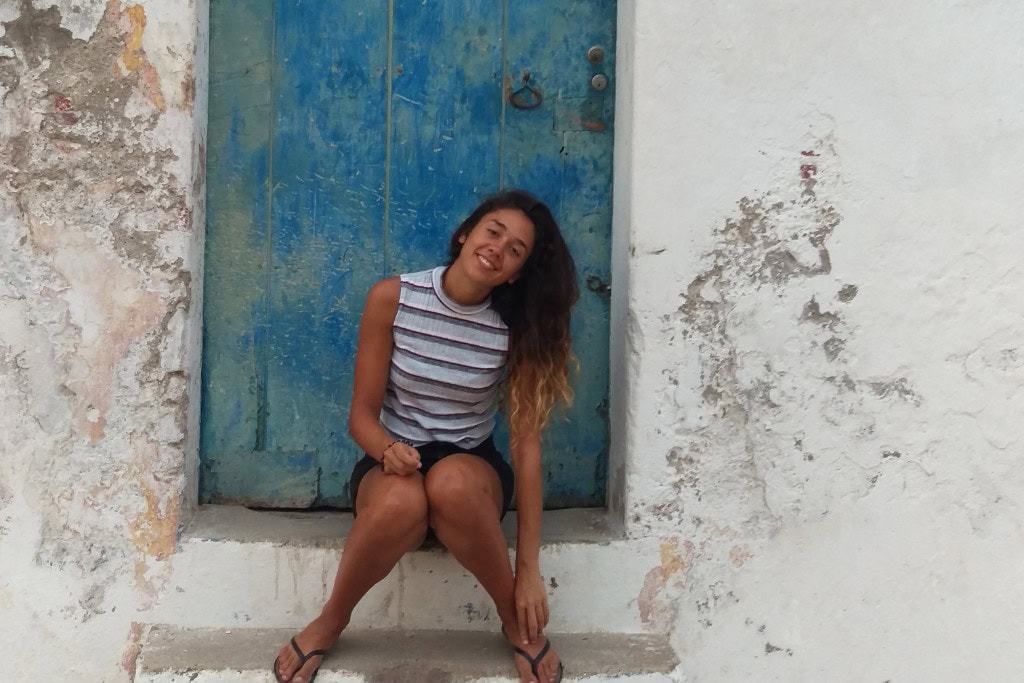
Changhaque is a small village about two and a half hours from Piura, a little town situated about 1300 meters above sea level.
This area is perfect for smaller hikes and excursions, and as the region is famous for its coffee – you should try some of its local hot brews!
#5. Mirador Cerro Huayanay
The Mirador Cerro Huayanay is a short ten-minute drive from Canchaque and from this viewpoint along a dusty mountain road, you will have spectacular, infinite views over the mountainous landscape.
There is an entrance fee of two soles (S/. 2.00), and after paying you embark on a short hike to the top of the hill that takes around ten minutes. The stairs are well-maintained, and the ascent is worth it once you reach the top.
You will immediately be rewarded with stunning views of the beautiful valleys, mountains, and surrounding towns scattered around in the scenery.
The Cultural Ties to the Inca Civilization
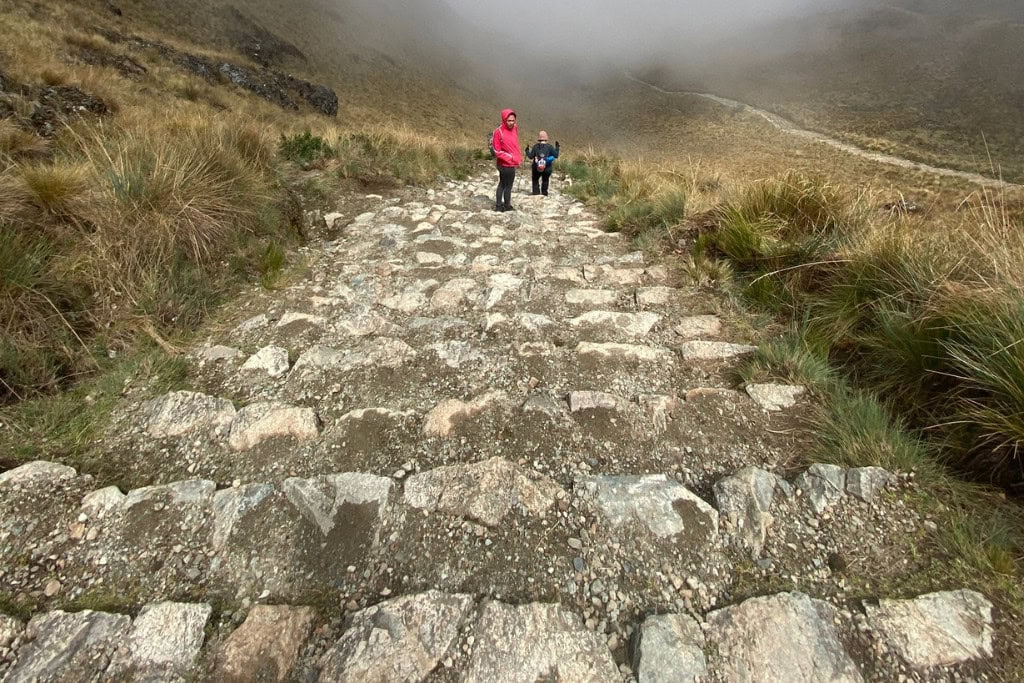
The Path of the Ancestors: Inca Trail Connection
The vast Inca Road system transgressing four different modern countries, also known as Qhapaq Nan, which means “royal road”, was the most advanced and far-reaching transportation system in pre-Columbian South America.
Along these meticulously crafted pathways, goods, information, people, and soldiers were transported without wheels (the Incas used lamas for transport). This entire road or path system covers an area of almost 2 million square kilometers, home to about 12 million people.
As pre-Colombian religious practices were directly connected to nature, especially the mountains, the Incas built paths near mountain peaks with high-altitude shrines that held strong religious significance within their culture.
Huancabamba was one of the most important administrative centers along this old northern road system.
It also had a very strong spiritual importance – especially connected to the sacred mountain lagoons – Las Huaringas – where the chilly fresh waters were said to have healing properties.
Andean Cosmology and the Role of Nature in Spirituality
In ancient Andean beliefs, mountains were regarded as apus, or deities, of the universe.
The belief in the sacred mountains, the apus, and Pachamama (Mother Earth) is still held today as a spiritual significance linked to the future of nature and human existence.
In ancient times, the Incas had a variety of important rituals, including the sacrifice of goods, llamas, and children at the mountain peaks.
In modern-day ceremonies, no longer include the somber parts of sacrifice rituals; the worst part is probably to “sacrifice” your body in the cold mountain water!
Sustainable and Respectful Travel in Huancabamba
Supporting Local Communities and Indigenous Practices
If you choose to visit Huancabamba and Las Huaringas, I recommend you travel not only sustainably but also regeneratively.
Regenerative travel means you not only leave a place in good condition but also leave it better than you found it!
You can make this contribution by giving back to the community and leaving no footprint. Choose bus travel over flights and homestays, shop in local stores and markets, and use local guides and resources over large companies.
Also, make sure you leave no trash in your trail and pack with reusable accessories like filtered water bottles and water purifiers.
FAQs: Is Huancabamba a Spiritual Place
How Many People Live in Huancabamba?
Huancabamba has a population of between 10,000 and 12,000 people in the pueblo, or town, while the Huancabamba Province has about 150,000 inhabitants.
What is the Significance of Huancabamba?
The town of Huanabamba has strong cultural and spiritual significance in Peru, especially as a center of traditional Andean healing practices.
It is known for its powerful curanderos, who conduct spiritual and medicinal rituals for visitors seeking healing, and for the sacred lagoons of Las Huaringas.
What to Do in Huancabamba?
While visiting Huaraz, a trek to the sacred lagoons is the most famous and popular excursion. Even if you don’t, a visit to a local curandero will be a memorable and very interesting experience.
You should also explore the town’s colonial sites to understand the significance of this ancient town in Peruvian culture and history.
Huancabamba has a charming town plaza lots of colonial architecture to admire, and you can stroll around town, visit local markets, and enjoy traditional Peruvian food.
Situated in a stunning mountain area, Huancabamba is also perfect for beautiful walks, immersing yourself in nature, and taking a closer look at the region’s amazing flora and fauna.
How to Get There?
The closest airport to Huancabamba is in Piura, about 215 kilometers (133 miles) away.
If you arrive in Lima, you can fly to Piura, which takes just over one hour, or take the slow-travel option on the bus all the way, which will take about 20 hours.
From Piura to Huancabamba, the public bus will take between seven and eight hours.
Where to Stay: Accommodation Options for the Spiritual Seeker
Huancabamba is not the place to go for luxury resorts, and you will not find many accommodation options listed on popular apps like Airbnb and Hotels.com.
Two options for accommodation in Huancabamba that are centrally located are Hotel Chicuate and Hospedaje Panoramico.
Best Time to Visit
The best time to visit Huancabamba is between March and November. This is a perfect time to travel, as it is the driest season in northern Peru, with a lower risk of heavy rain.
September is the warmest month in Huancabamba, with a peak temperature of 23 degrees Celsius, but the entire period from April to September has very pleasant weather.
The wet season, or rainy season, in the Andes starts in late October or early November, peaking between January and March, before the drier season returns in March.
Wrap-Up: The Spiritual Essence of Huancabamba
To summarize, the unique blend of history, culture, and spirituality in these mountains in northern Peru makes Huancabamba one of Peru’s most sacred destinations.
It is known throughout the country that Huancabamba and the sacred lagoons are important places for spiritual healing, and they are also widely known outside Peru’s borders among people seeking spiritual enlightenment and relief.
Travelers from all over the world come here seeking physical or spiritual healing, the fulfillment of personal goals, or profound life advice.
The curanderos still play an important role in mediating between the Christian God and the saints, serving as a channel for divine healing, just as in ancient times.
The shamanic traditions practiced by the curanderos, rooted in this incredible, ancient Andean cosmology, make spiritual travel in Peru a perfect choice for you if you long for profound experiences on your journeys.

Author: Hege Jacobsen
Hege Jacobsen is an avid solo female traveler and the founder of Epic Nomad Life travel blog. She is also a former military officer, veteran, Master of Political Science, and certified coach.
Her favorite way to travel is solo and slowly, exploring spectacular nature above and below water as well as vibrant cities.
Hege also gave a TEDx talk in 2023 about communicating better with A Traveler’s Mindset and loves to inspire and empower women from all over to take on the world fearlessly!
Sabiduri Planning Guide
🧘🏽♀️Where to find spiritual retreats around the World?
The good news is that they can be found in various locations, from secluded places in nature to bustling cities. Find your ideal retreat here!
🚑 Should you buy a travel insurance?
100% YES! — With basic coverage averaging just $50 for your stay, enjoy peace of mind with a plan from Travel SafetyWing, one of the biggest names in travel insurance.
🚗 Is it safe to rent a car around the World?
Yes — Renting a car is one of the best ways to see the country you find yourself in because public transportation cannot reach everywhere! I always rent with Discover Cars, which checks both international companies and local companies, so you get the best rates.
📴 Will my phone work abroad?
Maybe — It depends on your company, so check with your provider. If you don’t have a free service, buy a SIM Card once landed in the country.
🛌🏼 What’s the best way to book my accommodations?
For hotels, Booking is the best site, but for hostels, use Hostel World. If you’re considering Flats, don’t forget to also check Couchsurfing, which is free and you stay with locals.
🛩️ What’s the best site to buy flights?
For finding cheap flights, I recommend Kayak.
🛂 Do I need a visa for these destinations?
Likely Not — U.S., Canadian, and most European Passport holders don’t need a visa for most of destination around the World. BUT check here for more travel requirements. The majority of travelers will receive a 90-Day stamp upon arrival.