Why is The Red Sea so Healing? 2026 Spiritual Guide


At the age of 13, I had the remarkable opportunity to visit Egypt.
During my time there, I didn’t just lounge on the beach soaking up the sun. I had the incredible experience of scuba diving in the depths of the Red Sea for the very first time in my life.
You might think that I was too young to understand the healing nature of this place… but, I wasn’t. Because I can still recall the profound impact this wholesome experience had on me.
Red Sea truly feels like a deeply spiritual place, offering a unique sense of peace and healing. In this blog post, I’m going to share everything about the Red Sea and it’s healing properties.
Where is the Red Sea Located?
The Red Sea is believed to be around 8 million years old, making it one of the youngest seas on Earth.
It spans both Africa and Asia countries, stretching from Egypt in the northern Red Sea to Sudan in the south.
Thanks to the Suez Canal, it links to the Mediterranean Sea and is bordered by countries such as Saudi Arabia, Yemen, Jordan, and Israel.
How Wide and Deep is the Red Sea?
The Red Sea spans an impressive width at its widest point, extending approximately 190 square miles which is about 306 kilometers. This vast expanse connects the Mediterranean Sea to the Indian Ocean, serving as a waterway for global trade.
The maximum depth of the Red Sea, reaching down to about 3,040 meters also known as 9,970 feet, makes it one of the most fascinating underwater environments on the planet.
Is the Red Sea a Spiritual Place?
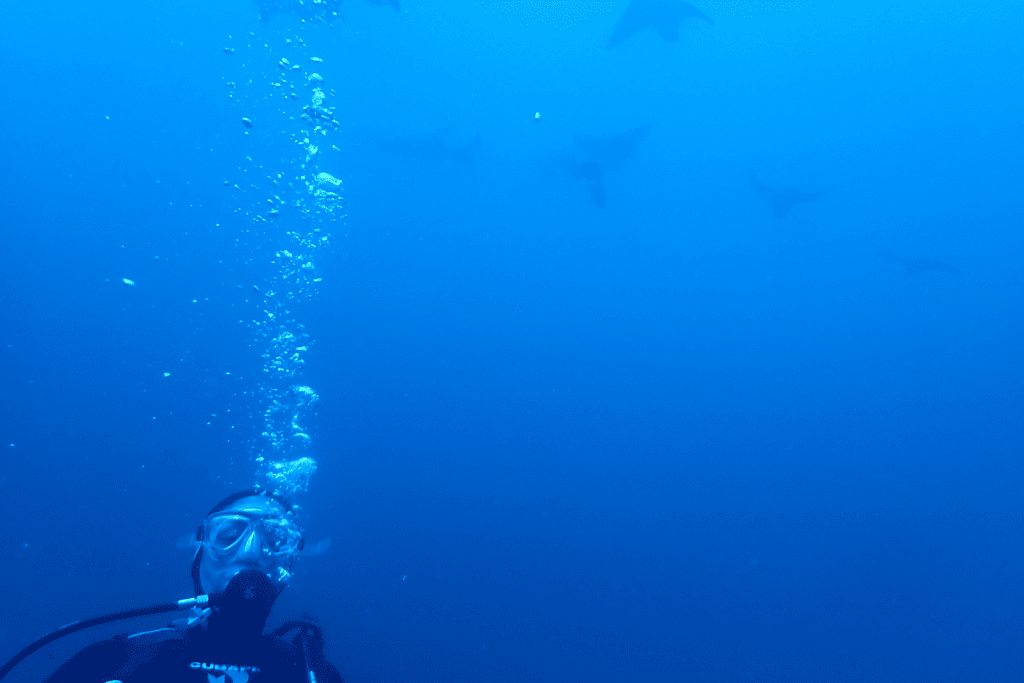
What makes the Red Sea so healing? Several factors contribute to the healing nature of the Red Sea, one of them being its spiritual energy.
But I am not referring to the usual “Oh yeah, I felt it in my skin.” This sea hit differently. Once you immerse yourself in the Red Sea’s warm waters, all your thoughts just switch off, allowing your worries to fade away.
And with a clear mind, you connect deeply to the universe within yourself. The Red Sea is a spiritual place with its remarkable power to cleanse your mind, body, and soul.
Interesting fact: This beautiful sea has been blessed with a rich history and cultural heritage, making it a significant place for many religions, including Christianity and Islam.
With that said, the connection to marine life also makes the spiritual experience beautiful.
Beneath the surface of the Red Sea lies a world surrounded by beautiful coral reefs and a rich variety of marine life, including rare tortoises found nowhere else on Earth.
It’s no surprise that this place has drawn people seeking spiritual healing for centuries.
Religious Significance of the Red Sea
The Red Sea is central to the Exodus story in the Bible, where it is described as the miraculous site of the Israelites’ escape from Egyptian bondage.
According to the Book of Exodus, God parted the Red Sea to allow Moses and the Israelites to cross on dry ground, a key moment symbolizing deliverance and faith.
This event is celebrated during the Jewish festival of Passover, commemorating freedom from slavery.
It remains a potent symbol of faith, liberation, and divine guidance in multiple religious traditions.
6 Healing Properties of The Red Sea

So what’s unique about the Red Sea that makes it healing?
The sea has several properties, including:
#1. Contains High Levels of Magnesium
Magnesium is known to have many health benefits, including reducing stress and anxiety. The waters in the Red Sea are rich in this mineral, making it an excellent place to relax and unwind.
Bathing in these mineral-rich waters allows your skin to absorb the magnesium, which can help soothe muscles, reduce tension, and encourage a deep sense of calm.
Studies have shown that magnesium can improve sleep quality and enhance mood, making it a powerful tool for mental well-being.
#2. Rich in Minerals and Salts
The Red Sea is home to over 1,000 species of fish and various types of coral growth.
These organisms secrete minerals and salts that have been proven to have healing properties, including anti-inflammatory effects.
#3. Warm Average Temperature Year-Round
The waters in the Red Sea are warm throughout the year, making it an ideal place for swimming and water activities.
In winter (December to February), the temperature averages around 22°C to 26°C, while in summer (June to August), it can rise to 28°C to 30°C. This consistently warm climate ensures comfortable swimming and therapeutic benefits, regardless of the season.
The high temperature are also beneficial for individuals with joint or muscle pain.
#4. Low Salinity Levels
Unlike other seas, the Red Sea has lower salinity levels, making it easier to float in its waters.
This unique feature is said to have a calming effect on the mind and body, promoting relaxation and reducing stress.
#5. A Symbol of Liberation and Faith
The Red Sea holds a significant place in history and spirituality as it is famously linked to the story of Prophet Moses and the Exodus.
According to religious texts, the Red Sea was miraculously parted, allowing the Israelites to escape slavery in Egypt and find freedom.
This event is celebrated as a symbol of divine intervention, faith, and liberation. For many, visiting the Red Sea serves as a spiritual journey, providing a sense of hope, renewal, and inspiration rooted in this profound historical narrative.
#6. Natural Detoxifying Properties
Swimming in the Red Sea offers a unique detoxifying experience for the body. The warm waters stimulate the skin, encouraging perspiration, which is one of the body’s natural ways of eliminating toxins.
This process not only helps flush out impurities from the body but also leaves the skin feeling refreshed. The salts in the water further assist by drawing out toxins from the skin layers, acting as a natural cleanser.
This makes the Red Sea a natural sanctuary for the body.
My Experience at the Red Sea
My last visit to the Red Sea was in 2020, just before the arrival of COVID-19. And despite the craziness that was going on worldwide, the Red Sea just helped me to pause, breathe, and reconnect with myself.
Even though you may not be keen on scuba diving, snorkeling can also provide a deep connection as long as you allow yourself to cuddle it fully.
Regardless of the location, a lot of people opt for Hurgada, but I personally found richer red sea’s reef marine life, and better healing experiences in both Marsa Alam and Sharm el Sheikh.
Is the Red Sea Salty?
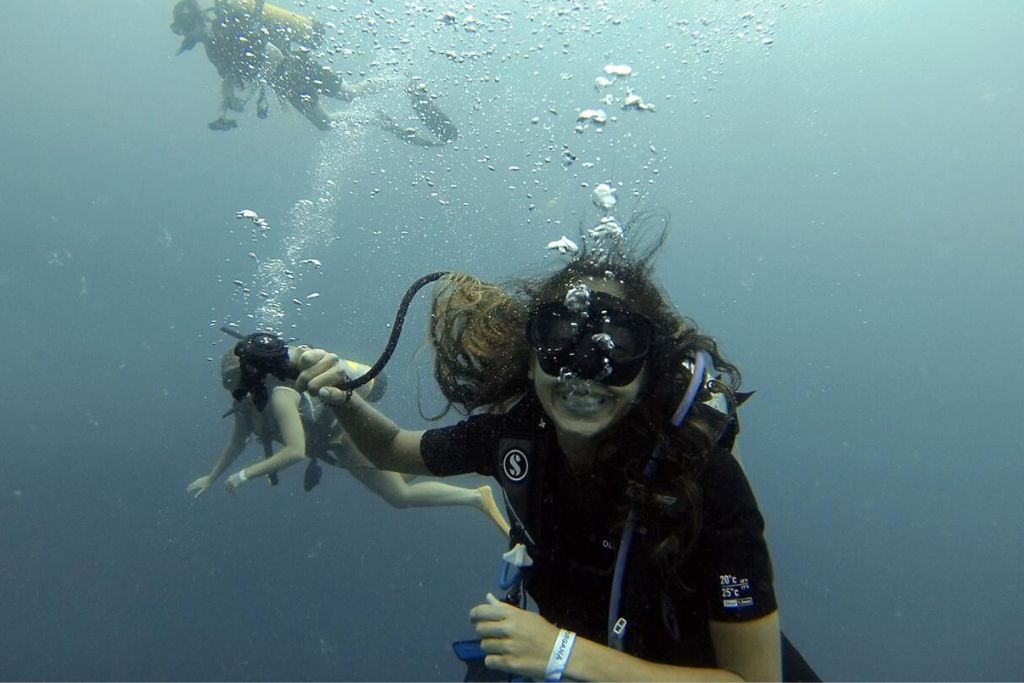
When I was on my first visit there, I tried to drink the salt water, and my soul almost left my body behind due to the saltiness of the water. Please, don’t be like Giorgy… don’t drink the salty water!
While this Sea is known for its salinity, you can safely swim in the Red Sea. You might tell me “But there are sharks in the Red Sea!” yeah, they are there tho. But you have to know, these creatures happen to be my favorites.
“Are you out of your mind?” you might ask. However, as I connected deeper into the ocean and its marine life, I understood that these species are gentle and endearing compared to others.
Marine Species in the Red Sea
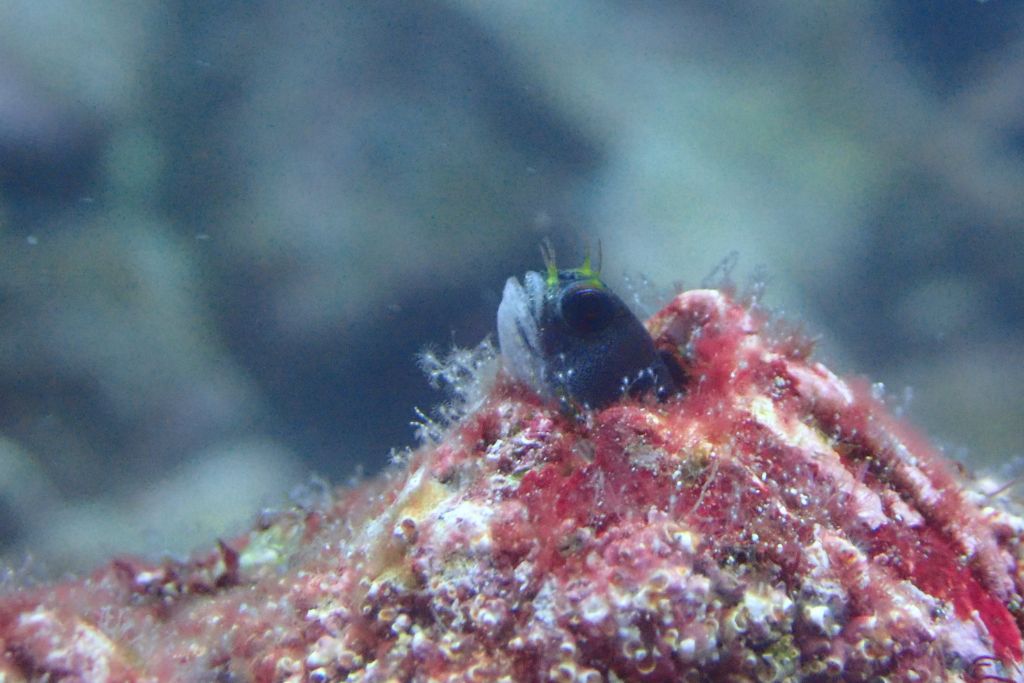
Did you know that there are over 1,200 species of fish and 44 species of sharks found in the Red Sea?
Among them is the popular whale shark, which is known for its gentle nature and large size. And if you are more lucky than me, you might encounter some bottlenose dolphins!
There are also over 200 varieties of corals reef, making it a haven for marine life enthusiasts and researchers alike.
How Did the Red Sea Get Its Name
There are a few theories about how the Red Sea got its name. Some say it is due to the red-tinted mountains that border the sea, while others believe it was named after the red-colored algae that can be found in its waters.
Regardless of how it got its name, there is no denying the healing powers and spiritual energy of this magnificent body of water.
What’s the Best Time to Visit the Red Sea?
The best time to visit the Red Sea is during the cooler months, from October to April. During this period, temperatures are more comfortable for outdoor activities, with daytime highs ranging from 20°C to 30°C.
The weather is perfect for enjoying the beach, snorkeling, and diving, as the water remains warm and clear.
Avoid the summer months as they can be extremely hot, especially for those looking to explore the surrounding deserts or relax by the coast.
How to Get to the Red Sea?
Getting to the Red Sea is relatively easy, as it’s well-connected by air, sea, and road. The closest major international airports are in cities like Sharm El Sheikh, Hurghada, and Marsa Alam, all of which receive flights from major cities around the world.
Once you arrive, you can travel by taxi or private transfer to popular Red Sea resorts.
For those already in Egypt, the Red Sea is also accessible by road, with several highways connecting it to Cairo and other key locations.
You can also take a cruise to the Red Sea from nearby countries like Jordan or Israel.
Where to Stay When Visiting the Red Sea?
If you’re seeking a profound spiritual experience at the Red Sea, staying at one of its renowned diving resorts could be your perfect choice.
These seaside retreats not only provide exciting activities like scuba diving and snorkeling but also offer opportunities to soak yourself in the rich history and culture surrounding this magnificent sea.
If a deeper, more spiritual connection is what you’re after, let this article help you discover the resort that speaks to your soul.
The Goddess Lounge is one of my favorites, where I stayed during my visit to the Red Sea. It is perfectly designed for a restorative getaway, the retreat offers comfortable accommodations, nourishing meals, and a supportive environment to foster personal growth and relaxation.
FAQs
Are the Mediterranean Sea and the Red Sea same?
No, the Mediterranean Sea and the Red Sea are two different seas. The Red Sea is located in both Asia and Africa, and the Mediterranean is in European union, Africa and Asia.
But these two seas are connected by the Suez Canal, which is an artificial sea level waterway that links Port Said in Egypt to the Mediterranean Sea.
Is the Red Sea the Same as the Dead Sea?
Neither the Red Sea is the same as the Dead Sea. These are two distinct saltiest water bodies. The Red Sea bordered by Egypt, Sudan, Eritrea and Ethiopia is an inlet of the Indian Ocean between Africa and Asia with saltwater.
On the other hand the Dead Sea, bordered by Jordan, Israel and Palestine and is a landlocked salt sea located in the Jordan Rift Valley.
As mentioned above, the low salinity levels in the Red Sea could potentially cause confusion between the two bodies of water. The Dead Sea water as high saline concentration from the two!
Why Black and Red Sea are Named So?
The Black Sea owes its name to its notorious ancient sand storms and the dark, dense water caused by the deep waters’ anoxic layer, which historically made navigation treacherous.
Sailors referred to the sea as “inhospitable” or “black” due to these chronic conditions.
The Red Sea’s name is believed to originate from several potential sources. One theory suggests that it’s named after the red-tinted algae blooms that occasionally appear on its surface, giving the water a reddish appearance.
Other theories propose that its name could be derived from the surrounding desert sands’ color or from ancient languages where the color red was often used to denote the south, corresponding to the sea’s geographical location relative to the Mediterranean world.
Did Jesus Part the Red Sea?
The story of the parting of the Red Sea is a central event in the Bible, specifically in the Book of Exodus.
According to the narrative, Moses, under God’s direction, parted the Red Sea to allow the Israelites to escape from slavery in Egypt. This event is depicted as a miraculous act of divine intervention rather than something Jesus did.
Jesus, in the Christian tradition, is not associated with this event. Instead, His life and miracles are primarily focused on His teachings, healing, and resurrection.
The parting of the Red Sea is attributed to Moses, with God playing a central role in the miracle.
How Deep is the Red Sea Where Moses Crossed?
There are varying theories about where exactly Moses and the Israelites crossed the sea.
Some researchers believe that they crossed at a location now known as “Bible’s Crossing,” which has an estimated depth of 800-900 meters.
Others suggest that it was a shallow area closer to the Red Sea’s southern tip, where the depths are only around 200-300 cubic meters.
Are Chariot Wheels Hidden Beneath the Red Sea?
One of the most debated topics surrounding the Red Sea is the potential presence of chariot wheels at its bottom.
Some people believe that these chariot wheels are evidence of Moses and the Israelites’ crossing, as described in the Bible.
But scientists have debunked this theory, stating that there is no evidence to support this claim. The circular shapes on the ocean floor are most likely just coral formations or natural geological structures.
Are Tectonic Plates Shaping the Red Sea?
The Red Sea lies on a divergent boundary, which is where two tectonic plates move away from each other. This separation has created a depression, or rift valley, which was then flooded by seawater to form the Red Sea.
The African and Arabian tectonic plates continue to move apart at a rate of approximately 1 cm per year, making the Red Sea slightly wider each year.
Wrap-Up: The Red Sea A Place For Mind, Body, And Soul!
Reflecting on the journey through the Red Sea, its impact goes far beyond its physical wonders. The sea has a way of healing not just the body, but also calming the mind and uplifting the spirit.
Surrounded by its calm beauty, you find a rare opportunity to pause, reflect, and reconnect with yourself and the world.
But the Red Sea is just the beginning. Egypt’s landscapes span the serene silence of the desert to the flowing vitality of the Nile, offering eternal opportunities to recharge and rediscover yourself.
I encourage you to extend your adventure beyond the Red Sea, to discover other healing regions in Egypt, each with its unique story and therapeutic offerings.
Sabiduri Planning Guide
🧘🏽♀️Where to find spiritual retreats around the World?
The good news is that they can be found in various locations, from secluded places in nature to bustling cities. Find your ideal retreat here!
🚑 Should you buy a travel insurance?
100% YES! — With basic coverage averaging just $50 for your stay, enjoy peace of mind with a plan from Travel SafetyWing, one of the biggest names in travel insurance.
🚗 Is it safe to rent a car around the World?
Yes — Renting a car is one of the best ways to see the country you find yourself in because public transportation cannot reach everywhere! I always rent with Discover Cars, which checks both international companies and local companies, so you get the best rates.
📴 Will my phone work abroad?
Maybe — It depends on your company, so check with your provider. If you don’t have a free service, buy a SIM Card once landed in the country.
🛌🏼 What’s the best way to book my accommodations?
For hotels, Booking is the best site, but for hostels, use Hostel World. If you’re considering Flats, don’t forget to also check Couchsurfing, which is free and you stay with locals.
🛩️ What’s the best site to buy flights?
For finding cheap flights, I recommend Kayak.
🛂 Do I need a visa for these destinations?
Likely Not — U.S., Canadian, and most European Passport holders don’t need a visa for most of destination around the World. BUT check here for more travel requirements. The majority of travelers will receive a 90-Day stamp Tourist Visa upon arrival.