Historical Sites in Kyoto (Guide Insight Kyoto’s Landmarks)

As a female solo travel enthusiast, Kyoto has always been at the top of my list.
Just like anywhere in Japan, it’s a safe place to be and it is filled with breathtaking historical sites. However, what struck me the most was the atmosphere of the city.
As soon as I got off the bus, my eyes were looking everywhere in wonder. From observing locals in traditional clothes to looking at food I’ve never seen before served at Nishiki Market.
Everything in Kyoto is so fascinating and unique, that you can’t possibly see anything like this anywhere in the world.
I spent my days exploring ancient sites, sipping matcha in traditional tea houses, and meeting the friendly and helpful locals who shared their love for this incredible city.
In this detailed guide, I will go through the best historical sites to visit in Kyoto along with other tips and places you can’t possibly miss!
If that sounds good, keep reading!
Dive into daily yoga, mindfulness, and cultural experiences in the heart of Japan.
Reconnect, refresh, and explore Kyoto’s timeless beauty.
What Is Special About Kyoto?
Visiting Kyoto can give you an idea about Japanese history and culture. Even by walking through the food market, traditional shops or the Gion district. It looks like a living museum of Japan’s heritage.
Among with historical sites, there are many modern and fun things to explore that reflect the modern way of living in Kyoto. This is even reflected in food. You can see some Hello Kitty desserts or fun designs printed on toasts!
The combination of traditional and modern life makes it a great balance when visiting Kyoto for a few days.
Most of the historical sites in Kyoto come with incredible gardens as well, which especially during the blossom season (called Sakura) and autumn would make the temples look even more magical and special.
What is Kyoto Famous For?
Kyoto is known for its historical significance, food scene, and cultural experiences. Here are some of the highlights that give you an idea of what makes Kyoto so unique:
Historic Monuments of Ancient Kyoto and Things Not to Miss
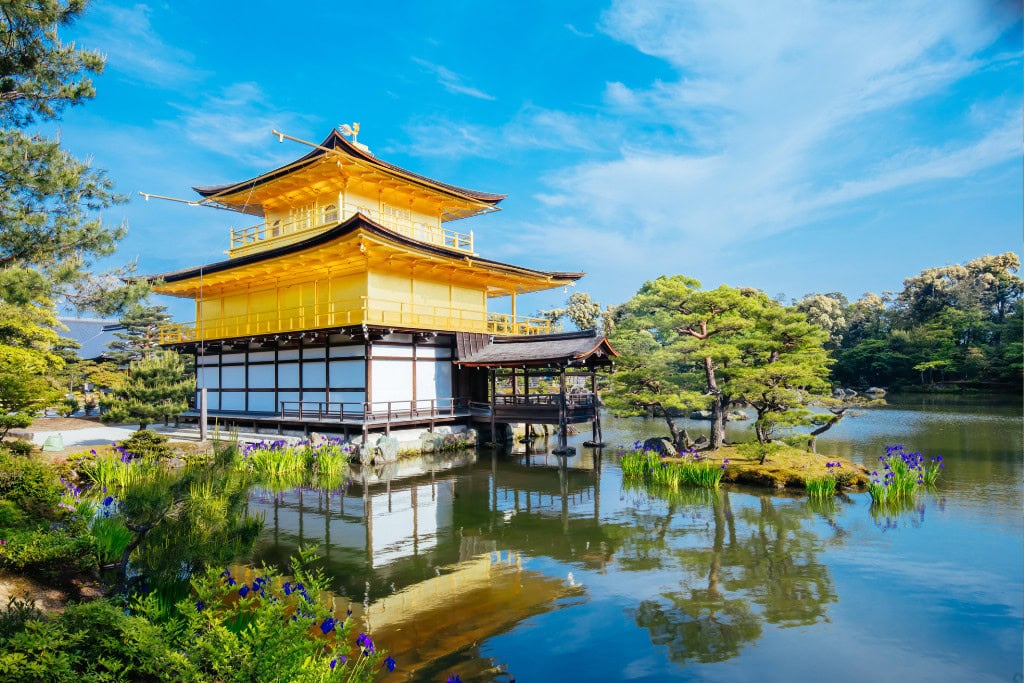
- Kinkaku-ji (Golden Pavilion): Also named “Temple of the Golden Pavilion”, this stunning zen Buddhist temple is one of the most visited in Kyoto every year.
Not only because its top 2 floors are covered in gold leaf (ehm wow!), but it comes with a fascinating history. In the beginning, it used to be the house of a powerful salesman, it’s then been turned into a temple and it burnt down twice.
Once during the Ōnin war (1467–1477) and the second time in 1950 by a monk. What you will see today reflects its last intervention in 1955 but it’s said it reflects the original structure!
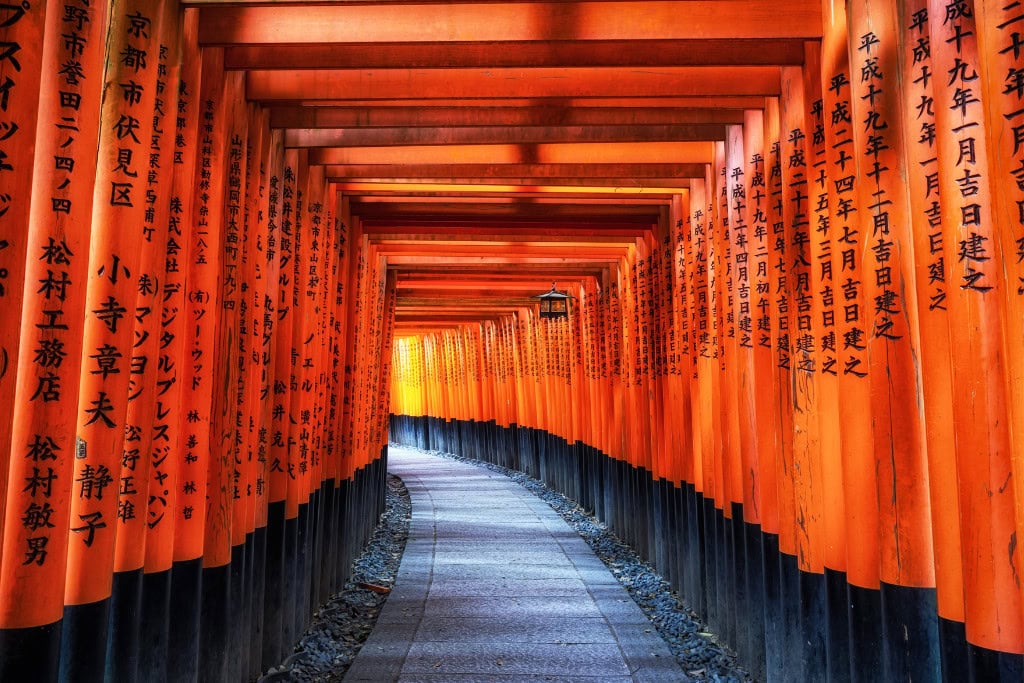
- Fushimi Inari Shrine: This site is probably one of the most photographed places in Japan. Known for its thousands of vermilion torii gates winding up Mount Inari, this shrine offers a special walking experience.
It’s dedicated to the gods of rice and sake and is free to visit.
- Nishiki Market: Often referred to as “Kyoto’s Kitchen,” Nishiki Market is a busy food market filled with vendors selling Kyoto specialities like pickles, fresh seafood, and matcha treats.
It’s the perfect place to try out local flavours and be part of the vibrant local atmosphere. I loved trying tea and purchasing some beautiful handmade sweets to take home.
If you are visiting this place around lunchtime, come equipped with extra patience because the market is going to be packed. However, there is a reason for it, it’s one of the best places to visit in Kyoto and there is delicious food!
- Traditional Tea Houses and Geisha Districts: The Gion district is famous for its traditional tea houses and offers a look into Japan’s geisha culture. Walking through its wooden streets, you might catch sight of geishas.
Remember to be mindful when seeing them. Always make sure to ask if you can take a picture. You will notice that some of the narrow alleys in the Gion district have been closed for tourists to visit. That being said, you can walk around the main streets and get an idea of the district.
Bamboo Forest in Kyoto
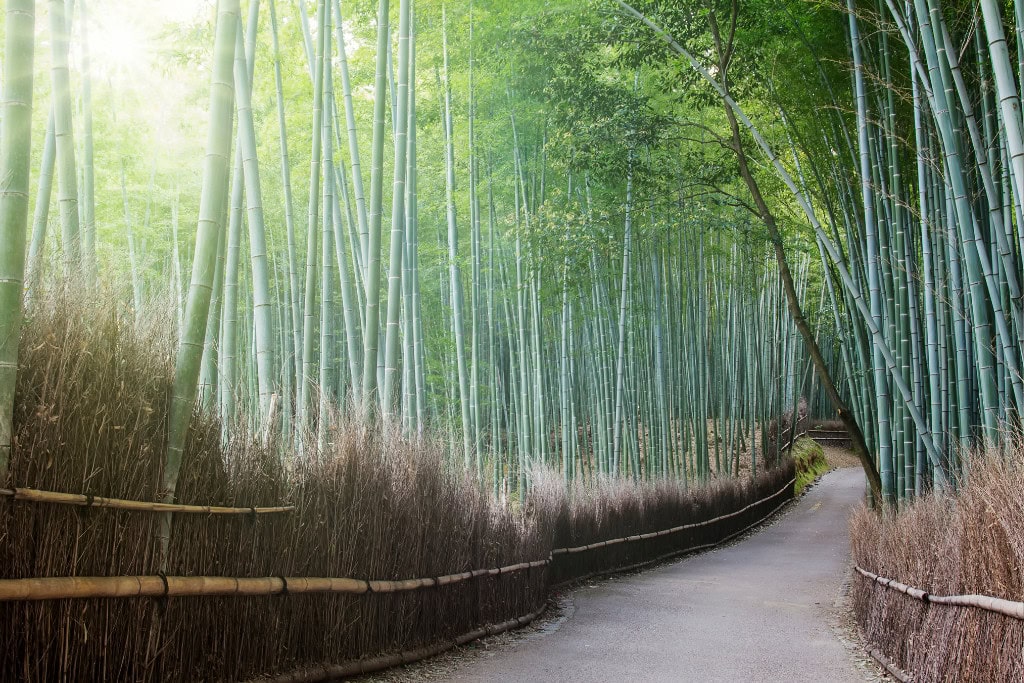
The Arashiyama Bamboo Grove will be one of the highlights of your trip. It’s an iconic destination where visitors can wander through a forest of bamboo trees. Although this place gets very touristy, you can still really get a lot out of it and get an incredible sense of calm.
This famous bamboo forest is a short walk from Arashiyama Station, and entering it is like walking into a natural green tunnel. As you can imagine, this is one of the most photographed places in Japan.
To make the most of the Bamboo Grove, I recommend going early in the morning or later in the evening when the crowds are lighter. When I visited around sunrise, the forest was nearly empty, which allowed for a peaceful walk along the pathways.
The sound of the bamboo moving in the wind is magical and you really can’t hear it when it’s crowded.
The Bamboo Grove also connects to other interesting spots, like Tenryuji Temple, a UNESCO World Heritage site with beautiful Zen gardens.
Jojakkoji Temple is another historical location worth visiting, with only 500 yen (just over $3). From the forest, there is a walk along the Katsura River in Arashiyama which is also stunning, and there are even small boats you can rent to explore the river.
For a different perspective, you can take a rickshaw ride through the Bamboo Grove with local guides who share interesting historical facts about the area.
Pro tip: If you want to fully explore the Bamboo Forest in Kyoto, you should allow an entire day or just over half a day if you take the rickshaw.
Where to See Cherry Blossoms in Kyoto?

During hot spring, Kyoto transforms into a fairy-like place filled with cherry blossoms. Other must-see spots to see these beautiful blooms include:
- Nijo Castle: This is one of the UNESCO World Cultural Heritage Sites that will be mentioned later. However, this castle hosts “Sakura Night” events every year. In these events, there will be Sakura-themed light shows, walks and food stands.
Sakura nights are advertised everywhere (even on trains and other public transport) so you won’t miss it for sure. This is a great experience to book and it’s actually not busy as each ticket comes with a time slot.
Keep an eye on this site for the next Sakura night event at Nijo Caste.
- Maruyama Park: Known for its weeping cherry trees, this park is a fantastic place to picnic under the blossoms. It can also get very busy, but that’s because it’s stunning, so it’s totally worth it!
- The Philosopher’s Path: A scenic canal-side walk which runs between Ginkakuji and the neighbourhood of Nanzenji. It’s lined with cherry trees, which is what makes it special during the Sakura season.
Free or Zen Temples in Kyoto
One of the great aspects of Kyoto is that many of its temples are open to the public free of charge, while others charge minimal entrance fees.
These temples provide an opportunity to explore some of Kyoto’s rich history and religious architecture without spending much money.
Here’s a list of the top temples you can’t miss on your trip:
SHOREN-IN TEMPLE

Shoren-in is a lesser-known temple located in the Higashiyama district. The temple’s interiors are amazing, with traditional Japanese sliding doors and artwork that has been preserved through the ages.
Its garden comes with a small pond and beautifully arranged mossy stones.
TOFUKU-JI TEMPLE

Tofuku-ji is one of Kyoto’s largest Zen temples, renowned for its impressive and beautiful gardens.
The main garden, Hojo Garden, is divided into distinct sections, each showing a unique design with rocks, moss, and shrubbery.
During autumn, Tofuku-ji is particularly popular due to its striking maple trees, which surround the main bridge and provide a bright display of warm colours.
NANZEN-JI TEMPLE

Situated by the Higashiyama mountains, Nanzen-ji is a vast temple complex with several smaller temples on its spacious grounds.
While some sections of Nanzen-ji require an entrance fee, the main areas, including the large wooden gate and the aqueduct, are free to explore. The aqueduct is a remarkable structure that seems almost unexpected in a traditional Japanese setting.
Nanzen-ji’s gardens are among the most meticulously designed in Kyoto, showcasing the beauty of Zen-style landscaping.
HONEN-IN TEMPLE

Honen-in Temple is one of those quiet, less-visited temples that feels more like a private retreat than a tourist destination. Surrounded by thick trees and moss-covered paths, Honen-in has an almost mystical quality.
The temple’s entrance features sculpted sand mounds, artfully arranged to symbolize purity and renewal. Honen-in is one of the few temples in Kyoto that remains relatively uncrowded, even during peak seasons.
UNESCO World Heritage Sites
Kyoto is home to numerous impressive UNESCO World Heritage sites that reflect its local historical and cultural significance. Most of these sites are quite big and will require at least half a day to visit. So bear this in mind when planning your itinerary!
KIYOMIZU-DERA TEMPLE
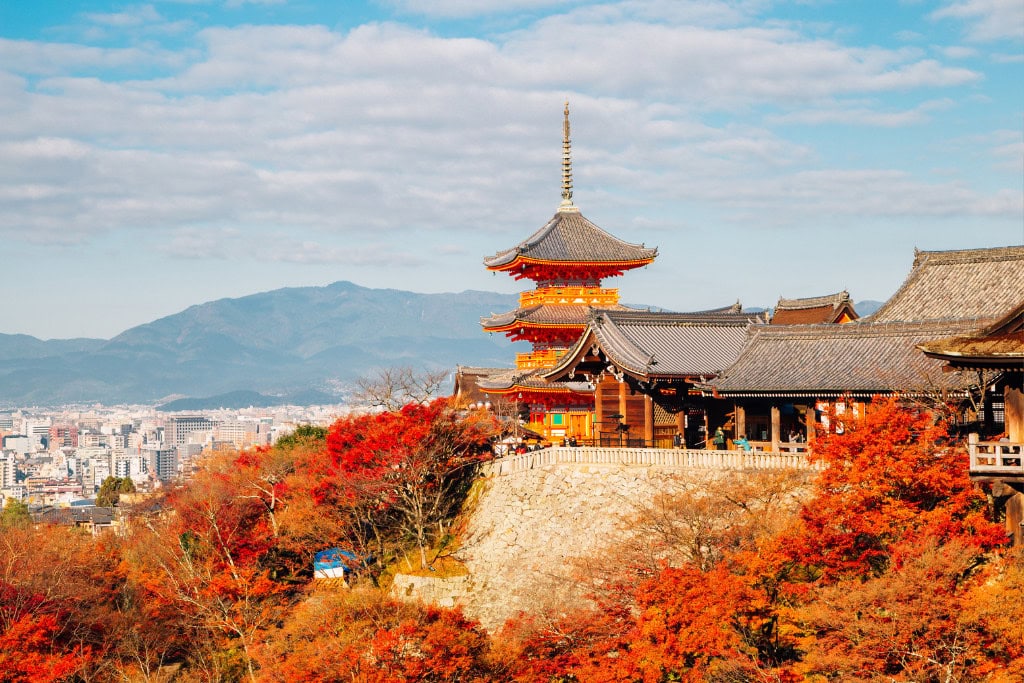
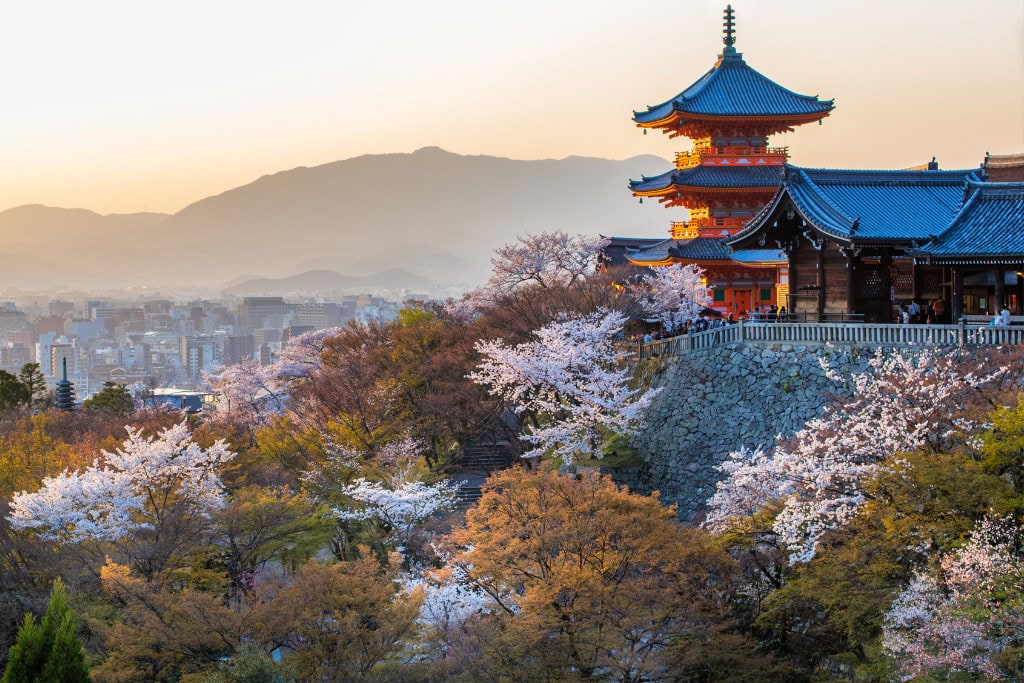
Kiyomizu-dera is one of Kyoto’s most famous sites and it comes with an amazing view overlooking the Kyoto city.
What’s nice about this temple is that there aren’t only tourists visiting, but also many locals who would go there and pray.
Kiyomizu-dera is known for its impressive architecture, it was built entirely without nails, and its surrounding paths were lined with cherry and maple trees.
The temple’s name means “Pure Water Temple,” a reference to the Otowa Waterfall, which flows down from the mountain. Visitors can even drink from the waterfall for good luck – you might have to queue briefly for that but it’s worth it!
RYOAN-JI TEMPLE

Ryoan-ji is home to Japan’s most famous rock garden, which is something that you’ve probably never seen before. This Zen garden consists of 15 stones arranged on a bed of white gravel, designed to be viewed from a distance.
What makes the garden so intriguing is that from any viewpoint, you can only see 14 of the stones at once.
According to Zen tradition, only those who reach enlightenment can see all 15 stones at once. If you want to dive deep into the Japanese Zen culture this is definitely a great place to visit.
TENRYU-JI TEMPLE

Situated near the private Arashiyama & Sagano Bamboo Grove, Tenryu-ji Temple is another UNESCO site known for its beautiful Zen garden design.
The garden was designed to look like a traditional Japanese painting, with layers of trees and bushes surrounding a large central pond. It really does look like a painting!
If you want to get more out of it you should visit during the Cherry Blossom Season or autumn. This is when you will enjoy seeing these vibrant colours reflected in the pond.
Tenryu-ji also has an interesting long history, as it was originally built in 1339 to honour the late Emperor Go-Daigo.
NIJO CASTLE

Unlike Kyoto’s temples, Nijo Castle was built as a residence for the military governor Tokugawa Ieyasu. I mentioned this castle before to visit at night time for the “Sakura event”, however, you can also visit during the day.
If you attend the night event you won’t be able to visit the interiors which are worth checking out! The rooms of Nijo Castle are very well preserved, showcasing delicate woodwork and intricate sliding doors.
BYODO-IN TEMPLE
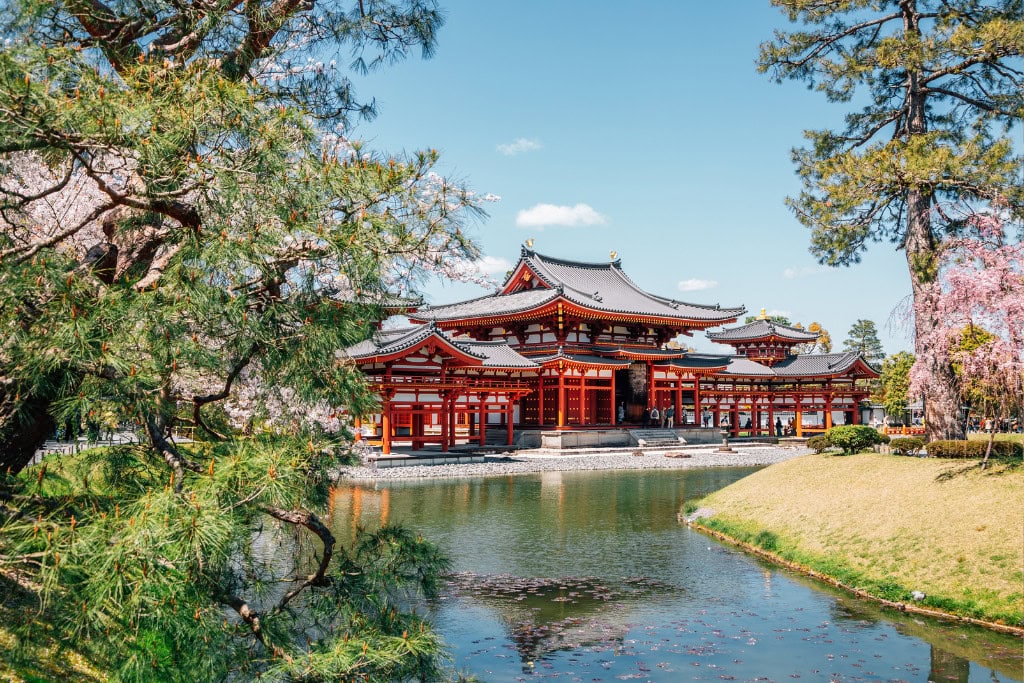
If you have some extra time you should pay a visit to Byodo-in Temple. It’s located just outside Kyoto in Uji and is worth the short trip.
The Phoenix Hall, with its two phoenix statues on the roof, is an architectural icon that even appears on Japan’s 10-yen coin!
This Buddhist temple is right by a beautiful pond, which mirrors the main hall. Inside, the hall contains a massive statue of Amida Buddha, which dates back to the 11th century.
To get here you should take the Nara line from Kyoto Station and you will get there in about 30 minutes. So even if it’s outside Kyoto it’s not that far at all!
Pro tip: Each temple has something different to offer and they are definitely all worth visiting. If you are running short of time and you only have time for one site, I would probably recommend visiting Kiyomizu-Dera Temple.
As mentioned before, it’s nice to see locals coming to this temple and practising their rituals. It’s a great experience to observe different ways of praying. There is also a lot to visit around the temple and the view over Kyoto is breathtaking!
Why Visit Kyoto?
Kyoto is an incredible place to experience Japan’s rich cultural heritage. You can really deep dive into the culture by visiting the temples, attending a tea ceremony or even just wandering around historical districts.
As mentioned before, I loved seeing the contrast between old and new. You can see the heritage sites and one minute later there will be a shopping centre surrounded by impressive international restaurants!
Public transport is also another strong point. It works really well, just like anywhere in Japan.
This is great if you are on a tight schedule because you can totally rely on the punctuality of buses and trains!
Things to Keep in Mind When Visiting Kyoto
When visiting Kyoto, it’s important to be respectful of the local customs and traditions.
Dress modestly when visiting temples and shrines, and be mindful of the rules regarding photography (check for signs around you before taking pictures).
It’s also a good idea to learn a few basic Japanese phrases, locals will appreciate the effort.
Like always in Japan, I would recommend downloading the Google Translate app. This helps translate the signs or even if you need to check the ingredients behind food packages in case you have any allergies or diet restrictions.
If you are travelling with food allergies, make sure you print a little note translated into Japanese with a list of allergens to hand over in restaurants.
Kyoto Map
Kyoto (Japan) is located in the Kansai region of Japan, surrounded by stunning mountains and rivers. The city’s layout is convenient for visitors, with many attractions within walking distance or easily accessible by public transport.
I found that exploring by foot allowed me to come across small shops and lovely cafes that I might have missed otherwise.
How to Get to Kyoto from Osaka?
- Osaka to Kyoto Central: The Shinkansen (bullet train) is the best way to travel between Osaka and Kyoto, with trains running frequently throughout the day. The journey is less than 15 minutes and it’s incredibly comfortable. Some of these trains are Hello Kitty-themed which makes them really fun to hop on!
- Cost of Train from Kyoto to Osaka: The one-way fare for the Shinkansen is approximately 1,400 yen (around $10).
- How Long Does It Take from Tokyo to Kyoto? The journey from Tokyo station to Kyoto via Shinkansen takes around 2 hours and 30 minutes. For this route, remember to get a bullet train-themed bento box at the station.
This is a traditional packed meal you can bring on the train or anywhere you want. If your train is around lunchtime, everyone around you will be eating out of a bento box and these meals are delicious.
Are you looking for the perfect 5 day itinerary in Tokyo? We’ve got you covered!
- Mt. Fuji to Kyoto: If you’re travelling from Mt. Fuji, the journey will take about 4 to 5 hours by train, depending on connections.
The views along the way are spectacular, so make sure you get on the train early and reserve a window seat!
Best Time to Visit Kyoto?
The best time to visit Kyoto is during the spring and autumn months when the weather is mild and the natural scenery is very vibrant.
Spring, especially during cherry blossom season, is magical, as the city is decorated with delicate pink blooms. Autumn offers stunning fall colours, creating a beautiful backdrop for exploring the temples and gardens.
I personally loved visiting during cherry blossom season, it’s not just the scenery but everything around it. You will find special blossom-themed drinks at restaurants and cafes.
Some places would project blossom trees on walls and windows. There is so much enthusiasm around this time, I think that’s what makes this time even more special.
However, it’s also the most touristy time of the year. Autumn would be quieter for sure!
Most Convenient Place to Stay in Kyoto
During my visit, I stayed in the Gion district, which is the perfect base for exploring Kyoto’s attractions.
This area is rich in history and it’s completely walkable. It also provides easy access to cultural sites, restaurants, and a variety of things to do after dinner.
Here are a few accommodation options:
- Budget Stay: Hotel Resol Kyoto Kawaramachi Sanjo — A comfortable, budget-friendly choice with easy access to public transport and popular sights.
- Mid-Range Stay: Gion Yoshiima – This traditional ryokan offers an authentic Japanese experience with essential amenities
- Luxury Stay: The Hotel Seiryu Kyoto Kiyomizu – Located near the beautiful Kiyomizu Temple, this high-end hotel provides incredible views and exceptional service.
PRO TIP: Staying around Kyoto station is also a good idea as it’s really well connected to Osaka, Nara (Japan), Tokyo, and other key locations in Japan. Find out the best areas and accommodations in Kyoto here.
FAQs
Difference Between Tokyo and Kyoto?
Tokyo is a busy metropolis known for its modern skyscrapers and urban life, while Kyoto is famous for its historical sites and traditional culture.
The two cities offer vastly different experiences, showing the contrast between Japan’s past and present. It’s definitely worth visiting both cities if you can!
How Many Days Do I Need in Kyoto?
I recommend spending from three days to a week in Kyoto to fully experience the main highlights.
This allows ample time to visit places like Nara, and different neighbourhoods, try some great onsens and taste the local cuisine without feeling rushed.
Kyoto Name Meaning
The name “Kyoto” means “capital city,”. This is because Kyoto has been the capital of Japan for over a thousand years.
Kyoto Pronunciation
Kyoto is pronounced as “Kee-oh-toh,” with the emphasis evenly distributed across the syllables.
Dive into daily yoga, mindfulness, and cultural experiences in the heart of Japan.
Reconnect, refresh, and explore Kyoto’s timeless beauty.
Wrap-Up: Is Kyoto Worth Visiting?
Absolutely yes! Kyoto is an incredible city offering so much history, stunning landscapes, intriguing culture, and delicious food!
It’s also very well connected to other key cities in Japan and it’s easy to navigate.
If you are wondering where to go next, check out this 2-week itinerary of Korea, Japan and China.
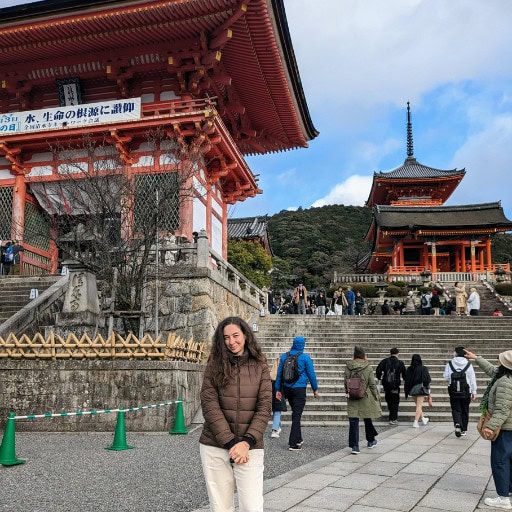
Author: Silvia
Meet Silvia, a globe-trotter whose heart beats for Bali. Her love affair with Bali began in 2020 and she is now resident on the Island Of Gods.
Silvia, through her site, The Good Observer Blog, serves as your digital guide to Bali, equipping you with insider tips and secrets for an unforgettable solo journey.
Sabiduri Planning Guide
🧘🏽♀️Where to find spiritual retreats around the World?
The good news is that they can be found in various locations, from secluded places in nature to bustling cities. Find your ideal retreat here!
🚑 Should you buy a travel insurance?
100% YES! — With basic coverage averaging just $50 for your stay, enjoy peace of mind with a plan from Travel SafetyWing, one of the biggest names in travel insurance.
🚗 Is it safe to rent a car around the World?
Yes — Renting a car is one of the best ways to see the country you find yourself in because public transportation cannot reach everywhere! I always rent with Discover Cars, which checks both international companies and local companies, so you get the best rates.
📴 Will my phone work abroad?
Maybe — It depends on your company, so check with your provider. If you don’t have a free service, buy a SIM Card once landed in the country.
🛌🏼 What’s the best way to book my accommodations?
For hotels, Booking is the best site, but for hostels, use Hostel World. If you’re considering Flats, don’t forget to also check Couchsurfing, which is free and you stay with locals.
🛩️ What’s the best site to buy flights?
For finding cheap flights, I recommend Kayak.
🛂 Do I need a visa for these destinations?
Likely Not — U.S., Canadian, and most European Passport holders don’t need a visa for most of destination around the World. BUT check here for more travel requirements. The majority of travelers will receive a 90-Day stamp upon arrival.