All the Truth About Ostara Easter (And Why It Still Hits You in the Soul)

There’s more to Easter than chocolate bunnies and plastic flowers.
Ostara Easter is basically what happens when spring cracks the World open… and humans try to name the magic. Ostara is a Spring Equinox celebration in modern Pagan/Wiccan traditions (part of the Wheel of the Year).
Easter is the Christian feast celebrating the resurrection of Jesus. Sometimes they land close together on the calendar, they share symbols (eggs, rabbits, flowers), and that’s where the internet goes feral: “Easter is stolen from Ostara!” or “Ostara is fake!”
The truth is messier and way more interesting. And who am I to talk about it?
I’m Giorgia, the creator behind SABIDURI, and I live and breathe symbolism, spiritual cycles, and the kind of “wait… why does this feel like a sign?” moments people don’t talk about at dinner.
I’ve built my work around spiritual awakening, ancestral patterns, and the Wheel of the Year because I’ve watched seasons change people from the inside out—myself included, not in a fluffy way, but in a you-ca n’t-unsee-it-now way.
Ostara is, in fact, a spiritual instruction. Balance the light and the dark inside you… Then plant your next self.
What Is Ostara?
Ostara is the Spring Equinox—the moment when day and night are (almost) equal. Spiritually, that’s the point: equilibrium. Not “peace and love,” but balance, the kind that asks you to be honest.
In Wheel-of-the-Year language, Ostara sits between Imbolc and Beltane as a festival of fertility, renewal, and intention… the season where nature wakes up, and your body quietly remembers it’s allowed to start again.
Ostara energy in one sentence: I’m ready to grow without abandoning my shadows.
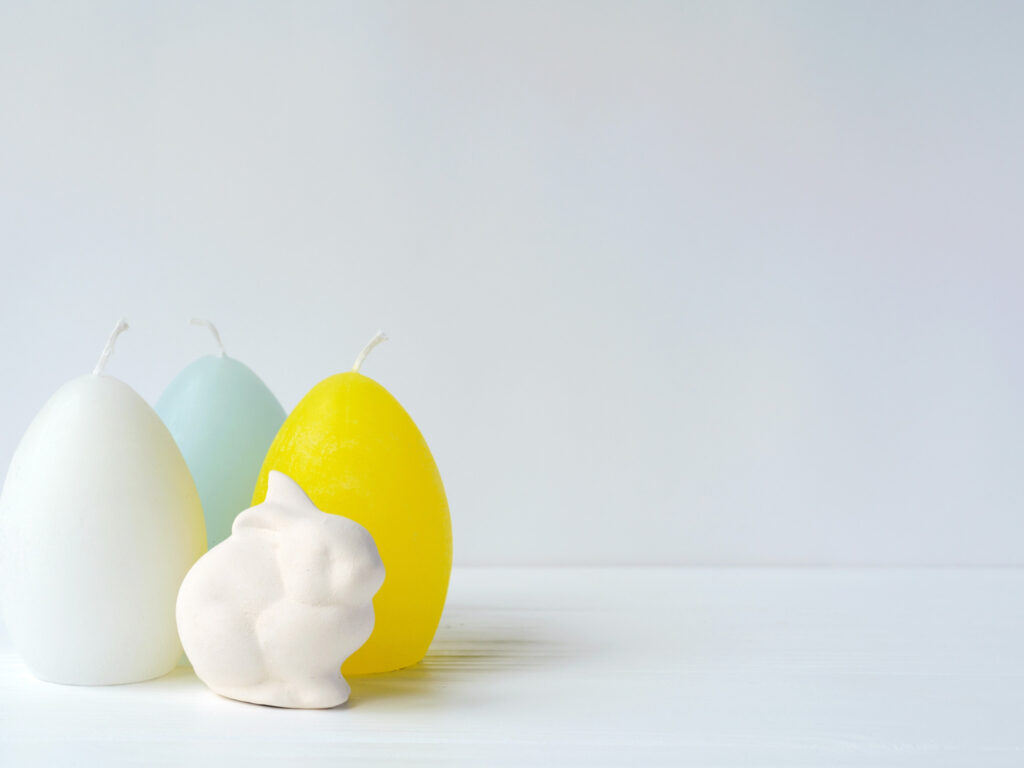
Ostara’s core themes
- EQUINOX BALANCE: light and darkness in equal measure
- SEEDS + PROJECTS: what you start now shapes your next chapter
- FERTILITY: not just babies—ideas, courage, creativity, healing
- REBIRTH: the return of color, warmth, appetite, desire
- NEW BEGINNINGS: not performative. Real.
Colors, animals, symbols
- COLORS: green + gold (growth + sunlight)
- ANIMALS: hare + goose (Fertility, return, migration cycles)
- GODDESS ENERGY: Ostara (often linked to Ēostre) + your notes also mention Artha
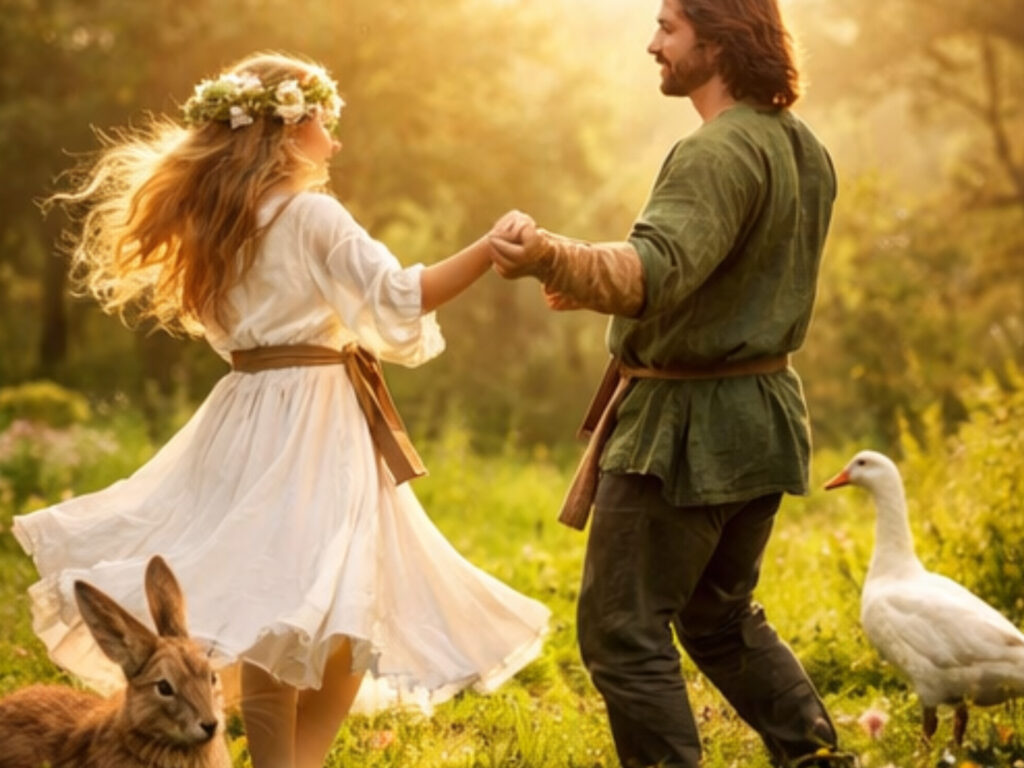
- ARCHETYPE: the Maiden / the young force of life—the awakening feminine and the awakening masculine, both growing in strength, starting the “dance of courtship” with life itself.
This is the moment where you seed.
Is Ostara the Same Day as Easter?
No, Ostara is tied to the Spring Equinox (around March 19–21 most years).
A Christian calendar rule sets Easter: it’s celebrated on the Sunday after the first full moon after the vernal equinox (a rule associated with early Church tradition and commonly linked to the post–Council of Nicaea standardization).
So sometimes Easter lands close to the equinox and sometimes it drifts later. That’s why Ostara Easter gets confused: same season, overlapping symbols, different roots and frameworks.
Ostara vs Easter: What’s the Difference?

Ostara
- Seasonal / nature-based
- Focus: balance, fertility, renewal, rebirth
- Anchored to: equinox
- Storyline: The World wakes up
- Practice vibe: altars, seeds, nature rituals, intention work
Easter
- Christian religious feast
- Focus: resurrection of Jesus
- Anchored to: lunar timing + Sunday
- Storyline: death → resurrection
- Practice vibe: church services, Lent traditions, family celebrations
And here’s the part nobody wants to admit: They can overlap in symbolism without being identical.
Humans reuse symbols because symbols work… eggs… rabbits… flowers… sunrise… white cloth… new clothes… feasts after fasting… That’s spring speaking through different languages.
Is Easter Based on Ostara?
This is where the internet loves to scream. So let’s be precise.
The name “Easter” and the goddess Ēostre
The Anglo-Saxon monk Bede (8th century) wrote that the month called Ēosturmōnaþ was named after a goddess Ēostre, and that the Christian Paschal season adopted that name in English.
Then, in the 1800s, Jacob Grimm proposed that if the English had Ēostre, continental Germanic peoples may have had a related figure he called Ostara (this is reconstruction, not a confirmed ancient biography).
The debate, in plain words
- Some scholars accept Bede’s note as plausible.
- Others argue that the evidence is thin and that later reconstructions were romanticized.
So: Is Easter “based on Ostara”? The English word “Easter” might preserve a pre-Christian month name, but Easter as a Christian feast is rooted in Christian tradition around Passover and resurrection theology.
The Ishtar meme is nonsense (yes, I said it)
You’ve probably seen the “Easter comes from Ishtar” meme. That’s folk etymology—it doesn’t hold up linguistically.
The Bird-to-Hare Story: Ancient Myth or Modern Add-On?
You know that story where Ostara turns a bird into a hare, and the hare lays eggs? It’s a real story in circulation… but it’s not ancient.
Folklorist Stephen Winick (Library of Congress) traced versions of that tale back to late 19th-century sources, showing it’s older than some skeptics claim, but not a pre-Christian myth preserved in ancient pagan texts.
So if someone tells you it’s “ancient Anglo-Saxon folklore” with receipts from the year 600… they’re bluffing. But if someone tells you it was “invented in the 1980s,” that’s not accurate either.
It’s a modern-ish myth that grew legs because it’s emotionally satisfying:
- bird → hare
- winter survival → spring miracle
- eggs → fertility + life
It’s basically a fairytale shaped like spring.
Ostara Goddess, Spirits, and Symbols
This is where the energy gets juicy.
Ostara is linked to Ēostre—a dawn/spring figure whose historical footprint is small but symbolically loud. Dawn goddesses show up across Indo-European cultures because humans everywhere noticed the same thing: Light returns, life returns and YOU return.
The symbols aren’t random
🐇 Har Fertilitylity, wild desire, instinct, speed, moon-linked folklore, that “I can’t stay asleep anymore” feeling.
🪿 Goose = MMigration homecoming, seasonal cycles, loyal return—the knowing that you always come back to yourself.
🥚 Eggs = Potential. Life is contained in silence. Promise not yet hatched.
🌿 Green + Gold = Green is growth. Gold is the sun. Together they’re the spell: life returns to the body.
Ostara as the Maiden
From your tradition: Ostara is the maiden… awakening, strengthening, becoming radiant. And the god is rising too. They begin to court.
That “courtship dance” is literally what spring does:
- Flowers flirt with bees
- animals mate
- The earth softens
- Humans suddenly crave change
So yes, Ostara Easter carries sensual, alive, creative energy—whether you call it pagan or not.
How Ostara Became “Easter” (Or: How Cultures Blend)
When religions spread, they don’t spread into space. They spread into cultures that already have seasonal celebrations, symbols, and local names. Over time, things blend: languages, customs, festival timing, imagery.
That actually means they stole Ostara rituals and credentials, unfortunately.
Witches’ Ostara
If you’re drawn to the witchy side, Ostara is a spiritual checkpoint: you can’t grow without balance.
Ostara invites:
- letting winter grief be acknowledged (not bypassed)
- letting hope exist again (without fear)
- meeting your own power gently, like sunlight after months of gray
Ostara’s spiritual lesson
Balance before bloom.
If you’re chaotic right now, this sabbat doesn’t ask you to “manifest harder.” It indeed asks you to stabilize before planting.
Ostara Easter Rituals
You don’t need a Pinterest altar to work with this season. You need honesty and a tiny action that proves you mean it.
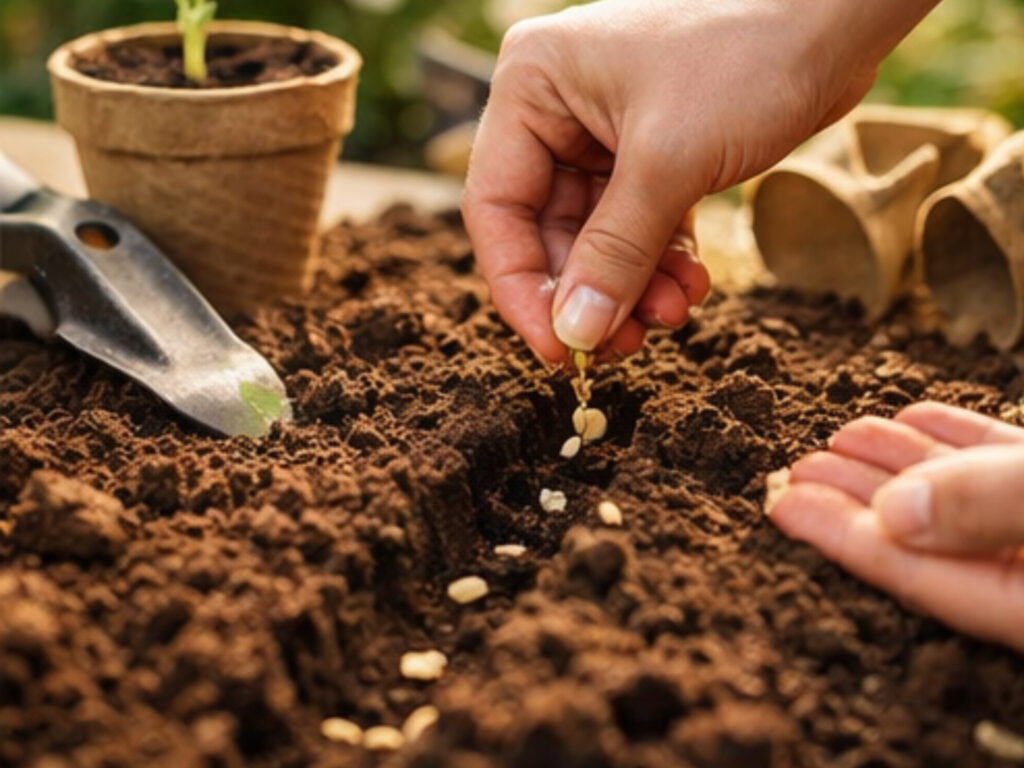
1) The Seed Ritual
Take a real seed or even a symbolic one.
- Write one intention on paper (one specific one)
- Ask yourself: What part of me is ready to live?
- Bury the seed in soil (or place the paper under a plant)
- Water it while saying: “I plant what I’m becoming.”
This is Ostara in its pure form: projects + change seeded into reality.
2) The Equinox Balance Practice
Light a candle. Sit in the dark for a minute first.
Ask:
- What’s the shadow I’ve been avoiding?
- What’s the light I’ve been scared to claim?
Say: “I can hold both. I don’t have to choose.”
3) Egg Magic (3 simple options)
- Threshold blessing: bury an egg near your entrance as a seasonal blessing (old folk practice shows up in modern ritual lists—use it as a symbol of protection and fertility)
- Painted intention egg: draw symbols for what you’re calling in (love, courage, clarity)
- Hanging charm: blow out an egg, paint it, hang it in your home as a reminder of your vow to grow
4) Green + Gold Reset
Wear green or gold. Bring fresh greens into your space. Open a window.
And whisper: “Life is allowed here.”
Ostara Easter Traditions (Yes, Some Overlap Is Real)
A lot of “Easter vibe” traditions line up with spring symbolism, whether you frame them as pagan or Christian:
- Eggs (new life, rebirth)
- Rabbits/fertility, spring instinct)
- Flowers (return of beauty)
- Sunrise (light returns)
If you grew up with Easter, you can still work with Ostara energy without rejecting your past. Sometimes the soul keeps the symbols… and changes the meaning.
Happy Ostara FAQs
How Do You Pronounce Ostara?
OH-star-uh.
Is Ostara a Real Holiday?
It’s real in modern Pagan/Wiccan practice as part of the Wheel of the Year, and it’s tied to the real astronomical event of the spring equinox.
Is Easter based on Ostara?
The word “Easter” may relate to an old month name linked by Bede to Ēostre, and Grimm later proposed “Ostara” as a related continental figure—but the historical evidence is debated.
Is the Easter Bunny Pagan?
The “Ostara turned a bird into a hare” tale is not ancient; it appears in late 19th-century sources and later popular retellings.
Why Are Eggs Part of Spring Celebrations Everywhere?
Because eggs are the perfect symbol of potential and renewal—across cultures, across time. (Sometimes the simplest symbol survives every religion.)
Can I Celebrate Ostara If I’m Not Wiccan?
Yes. Ostara is seasonal. If you can feel spring in your bones, you can honor the season in your own language.
Is The Easter Bunny Connected to The Goddess Ostara?
The idea that the Easter bunny comes directly from the goddess Ostara is debated. A story about Ostara transforming a bird into a hare appears in late 19th-century folklore sources, not ancient pagan texts.
The Easter bunny tradition is more strongly linked to German folk customs involving the “Osterhase,” a hare that brought eggs to children. The connection to Ostara likely developed later.
When Is Ostara Celebrated Each Year?
Ostara is celebrated on the Spring Equinox, usually between March 19 and March 21 in the Northern Hemisphere.
The exact date can shift each year slightly due to astronomical calculations. It marks the moment when day and night are nearly equal in length, symbolizing balance and the return of light.
Continue the Wheel of the Year: The Wheel Turns, and So Do You
If Ostara is hitting you hard, it’s probably because your life is asking for a new cycle. After all, you need to choose what you’re planting.
If you want the bigger map, read my post on the Celtic Wheel of the Year (it’s the framework that makes all these sabbats click). And if you’re in that “I’m waking up, and everything feels different” phase, even better.
That’s spring.
Mini-affirmation (take it): ✨ “I honor balance. I plant with intention. I let myself become.”
Sabiduri Guide
🧘🏽♀️Where to find spiritual retreats around the World?
The good news is that they can be found in various locations, from secluded natural areas to bustling cities. Find your ideal retreat here!
🐦What is your Spirit Animal?
Exciting NEWS! We’ve designed a QUIZ to help you find out your spirit animal. Find your spirit animal here!
💎 Buy your Divination Tools
At Sabiduri Shop, discover your spirit animal pendant to wear and keep with you at all times.