Top 10 Animals that Symbolize Change

Change is a natural part of life, but did you know that in many cultures and spiritual beliefs, some animals are seen as powerful symbols of change?
Certain animals carry deep meanings, such as transformation and rebirth to adaptability and growth that reflect life’s turning points.
Many creatures including dolphins, deer, and alligators have appeared in myths, dreams, and cultural traditions around the world. They often bring messages of renewal, evolution, and transformation.
Let’s explore the top 10 animals that symbolize change, what they represent in different cultures, and how you can take their help to bring change in your life.
10 Animals that Symbolize Change Across Different Cultures and Mythologies
Here are 12 animals that have long symbolized change across different cultures and belief systems.
Each one carries a unique message about personal growth, transformation, and life’s evolving journey.
1. Dolphins
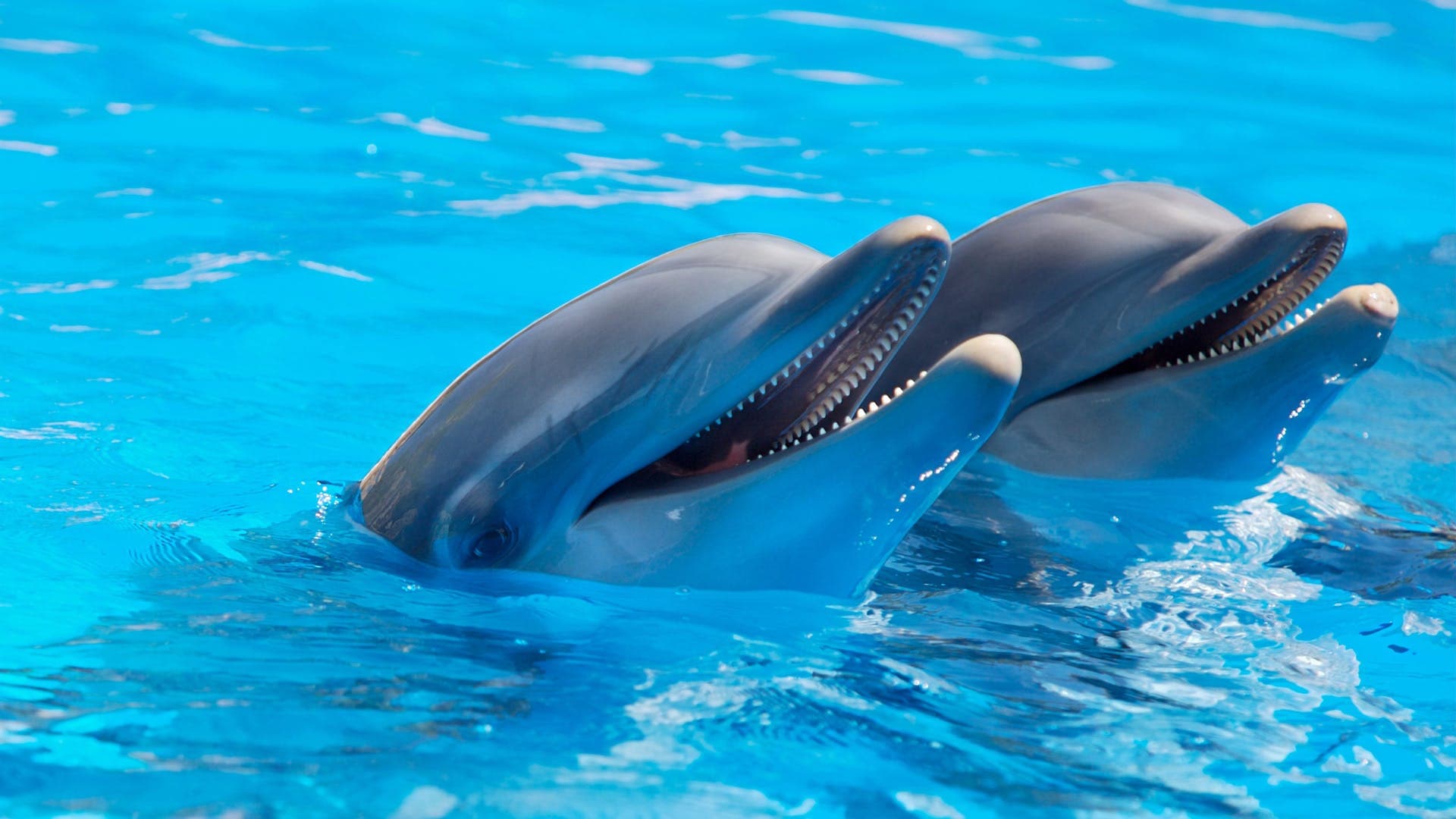
Dolphins have a playful nature and a strong connection to water, which make them messengers of personal growth and powerful symbols of change and transformation in many cultures.
Here’s how different cultures see dolphins as symbols of change:
- Greek mythology: Dolphins were believed to be sacred guides who helped souls cross into the afterlife. They symbolized spiritual change, protection, and smooth transitions between realms.
- Celtic symbolism: Dolphins were associated with the ocean’s constant motion, representing emotional adaptability. They symbolized healing, flow, and the courage to face life’s changes with a high head.
- Native American cultures: In some Native American traditions, dolphins were seen as spiritual allies and protectors. They often appeared during moments of personal awakening or emotional transformation.
2. Snakes
Snakes are one of the most recognized symbols of change and transformation across the world. Their ability to shed their skin makes them a natural metaphor for releasing old habits and welcoming the new ones.
Let’s discuss how different traditions view their powerful symbolism:
- Ancient Egyptian beliefs: Snakes were seen as protectors of the underworld and guides through death and rebirth. They shed their skins which represented the soul’s renewal and eternal life.
- Hinduism: In Hindu tradition, the serpent god Shesha represents the eternal cycle of creation, preservation, and destruction. Snakes represent both endings and new beginnings and reflect life’s constant state of change and rebirth.
- Greek mythology: Snakes were sacred to Asclepius, the god of healing, and closely linked to transformation. They symbolized physical renewal, spiritual growth, and the continuous process of healing and evolution.
3. Alligators
Alligators may seem fierce on the outside, but they hold deep symbolic meaning when it comes to change, survival, and personal growth.
As ancient creatures that have adapted over millions of years, they represent resilience through transformation.
Many cultures believe alligators to be sacred and strong symbols of change, such as:
- Native American beliefs: Among tribes like the Seminole and Choctaw, alligators symbolized resilience, survival, and personal transformation. They were viewed as powerful spiritual guides during emotional hardships and major life changes.
- African symbolism: In various African cultures, such as the Fang people of Gabon and Cameroon, alligators represent strength, protection, and hidden power. They were believed to help people go through tough phases and emerge stronger.
4. Deer
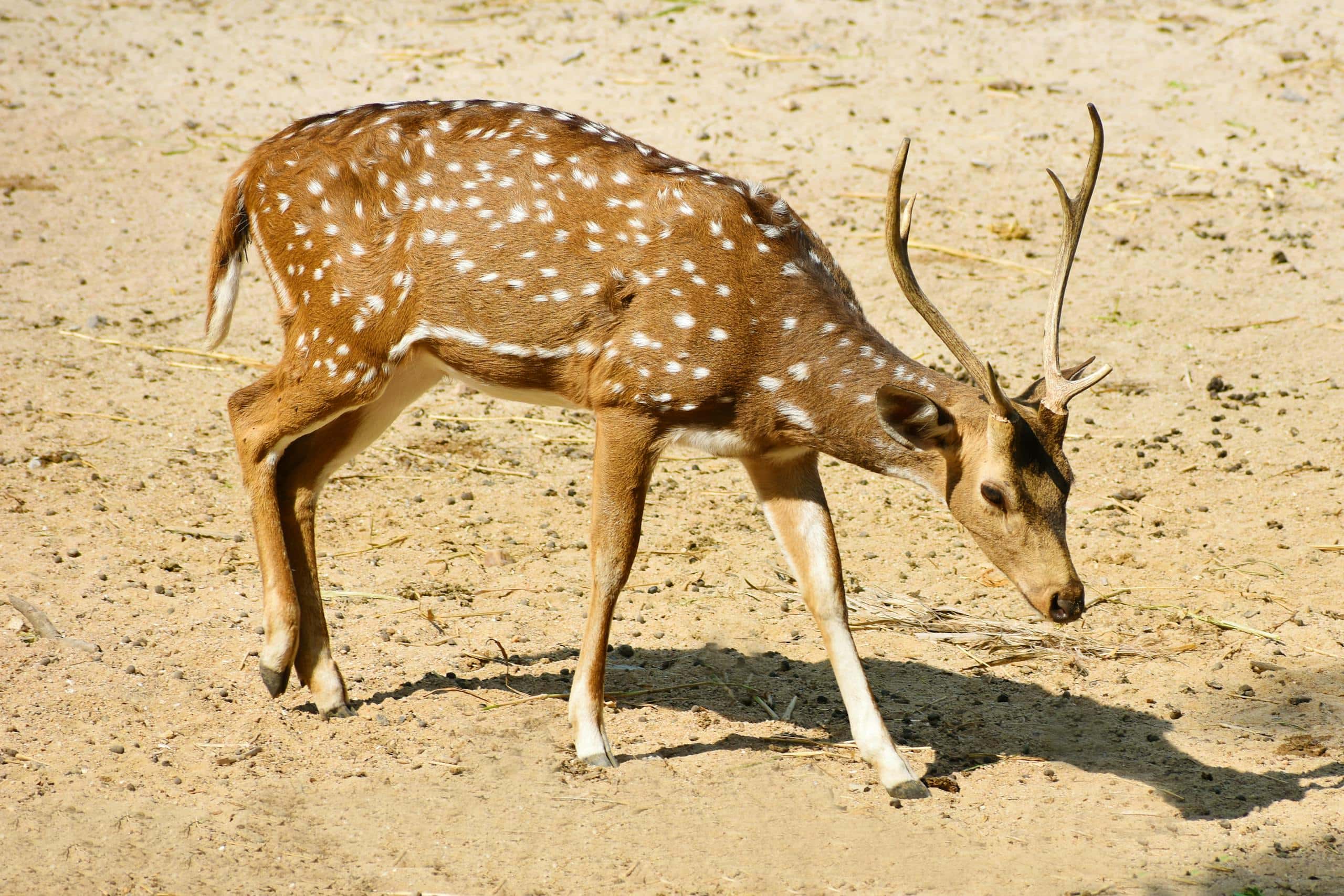
Deer are gentle yet powerful symbols of change, spiritual growth, and new beginnings. Their quiet strength and graceful movements often represent the ability to move through life’s transitions with calm and sensitivity.
Across cultures, they are seen as messengers of subtle but meaningful change, such as:
- Native American beliefs: Many tribes, including the Cherokee and Lakota, saw deer as symbols of spiritual growth and gentle transformation. Their appearance was believed to signal a time of inner reflection and personal change.
- Buddhist symbolism: Deer are associated with mindfulness and the teachings of the Buddha. Their presence often represents awakening and a peaceful transition into a new way of thinking.
5. Butterflies
Butterflies are one of the most common symbols of change across different cultures. Their life cycle, from caterpillar to chrysalis to butterfly, perfectly mirrors personal growth, rebirth, and the beauty of evolving into something new.
Here’s how different traditions view their symbolism:
- Native American beliefs: Tribes like the Blackfoot and Zuni saw butterflies as messengers of transformation and joy. They were believed to bring guidance during life changes and emotional healing.
- Japanese culture: In Japan, butterflies symbolize the soul’s transformation and a graceful transition into a new stage of life. They are also linked to love, change, and femininity.
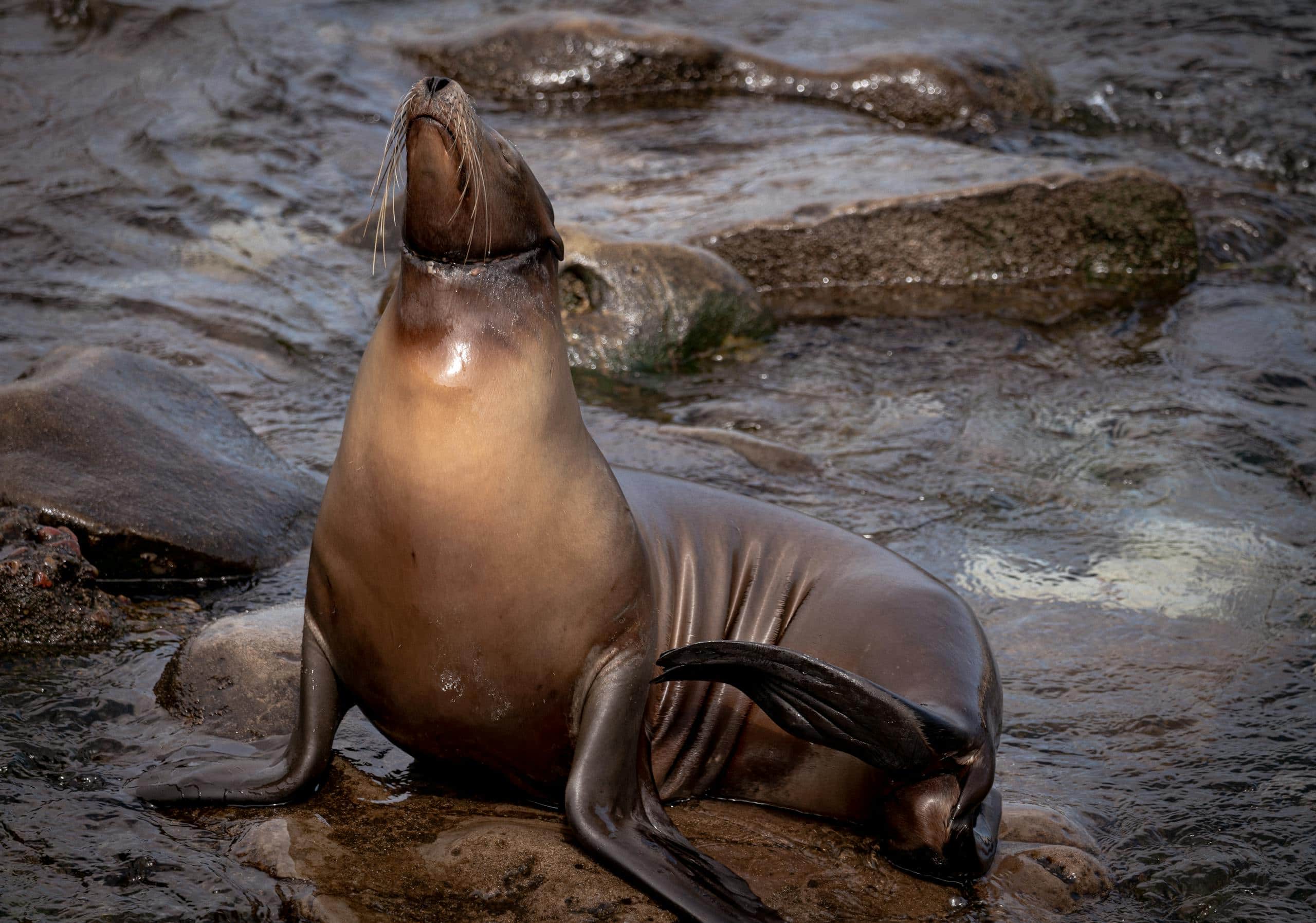
6. Sea Lions
Sea lions are lesser-known but meaningful symbols of change, adaptability, and emotional resilience. They live between land and sea and represent the ability to move across different worlds and shift with life’s tides.
In many cultures, sea lions are seen as spiritual guides that help people during personal growth and transition.
For example, in Native coastal traditions, especially among the Haida and Inuit, sea lions symbolize strength in transformation and trust in your instincts during uncertain times.
7. Swans
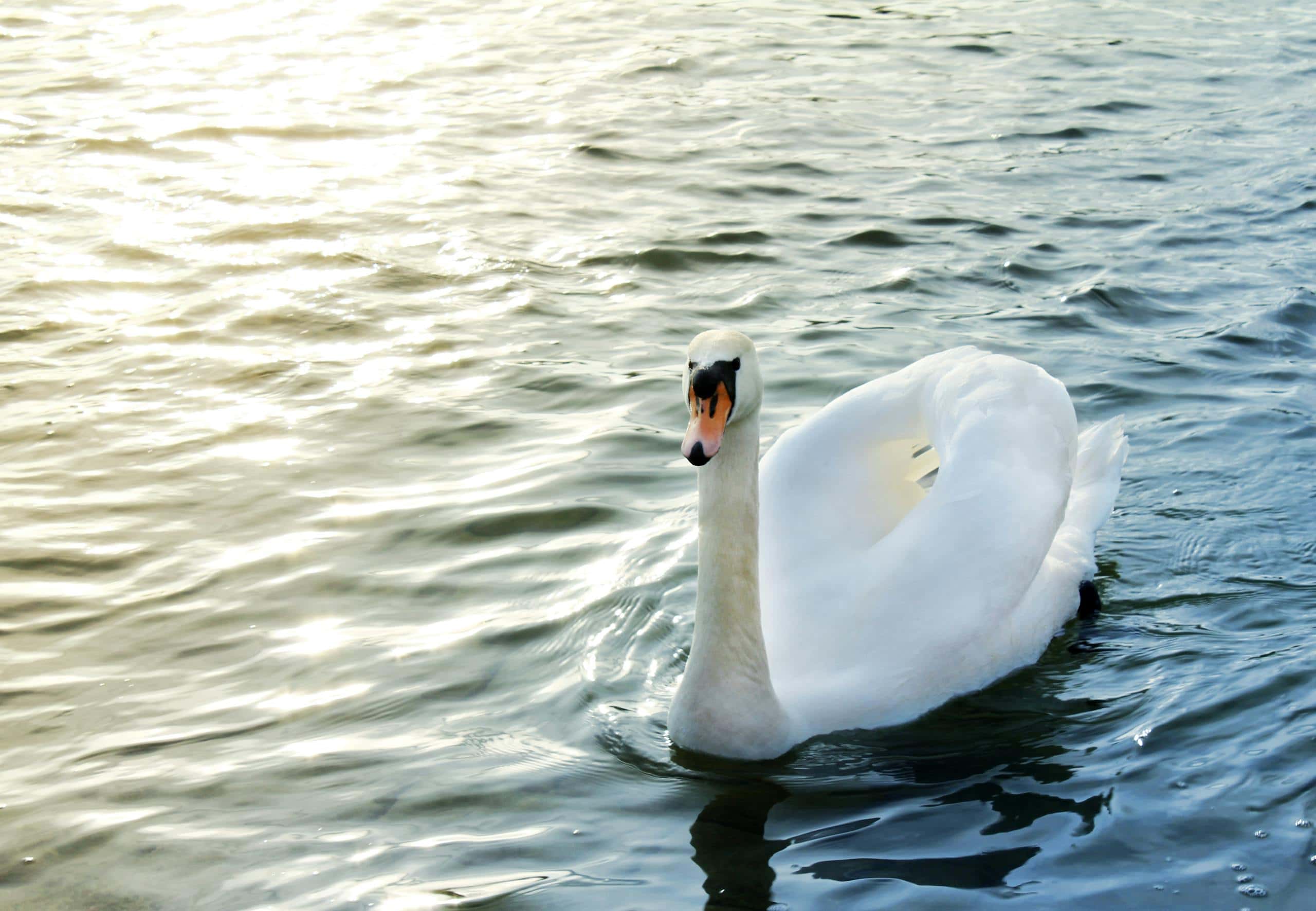
Swans are graceful creatures that symbolize inner transformation, beauty through change, and spiritual awakening. They are usually known for their elegance and quiet strength and often appear during times of emotional growth and life transitions.
In Celtic mythology, swans were seen as shape-shifters and symbolized the soul’s journey and the ability to evolve into a higher form. However, in Hindu culture, the swan (or hamsa) represents purity and the power to rise above worldly challenges.
8. Bears
Bears are strong, solitary animals that symbolize inner strength, personal transformation, and the courage to face change. Their ability to hibernate and re-emerge represents the human journey of retreat, reflection, and rebirth.
Here’s how different traditions interpret their symbolism:
- Native American beliefs: Tribes like the Navajo and Sioux viewed bears as symbols of healing and personal growth. Their hibernation represented a time of inner change and renewal.
- Norse mythology: In Norse culture, bears were linked to warriors and spiritual strength. They symbolized transformation through struggle and the power to emerge stronger.
9. Otters
Otters are playful and social animals that symbolize joyful change, emotional renewal, and the importance of adaptability.
They often represent light-hearted energy and strong family bonds, and remind you that transformation can also be uplifting and full of connection.
Let’s see how different cultures interpret their meaning:
- Native American beliefs: Especially among the Ojibwe and Hopi tribes, otters were seen as bringers of happiness and smooth transitions. They represented adaptability, curiosity, and emotional healing.
- Celtic mythology: In Celtic stories, otters were symbols of guidance during change. They were believed to help people go through emotional waters with ease and playfulness.
10. Turtles
Turtles are timeless symbols of slow but steady change, wisdom, and long-term growth.
Their ability to carry their home on their back and move at their own pace teaches you that transformation doesn’t have to be rushed, it just needs to be consistent.
Here’s how different cultures view their symbolism:
- Native American beliefs: Many tribes, including the Lenape and Iroquois, saw the turtles as symbols of the Earth and patient transformation. Their steady nature represented grounding during life changes.
- Hindu mythology: The turtle (Kurma) is an avatar of the god Vishnu, who helped bring balance during cosmic shifts. It represents stability and support during deep transformation.
FAQs
What are the Animals that Symbolize Change Tattoo?
Animals that symbolize change in tattoos often include butterflies, snakes, phoenixes, and wolves. Each of them represents transformation, rebirth, or personal growth.
These designs are especially popular among people starting a new chapter or welcoming inner evolution.
Which Animal is Known for its Ability to Change?
The cuttlefish is known for its incredible ability to change color, shape, and texture in an instant. It uses this skill for camouflage, communication, and protection.
Because of this, the cuttlefish symbolizes flexibility, transformation, and the power of quick change.
What Bird Represents Change?
The phoenix is the bird that most powerfully represents change and transformation. It symbolizes rebirth, rising from ashes, and starting anew after hardship.
Across cultures, this bird stands for resilience and the beauty of personal evolution.
Which Animal is Known for its Ability to Change Color?
Chameleons are best known for their ability to change color based on mood, temperature, and environment.
This unique trait makes them powerful symbols of adaptability, transformation, and blending with change.
Final Thoughts
Different animals are associated with change worldwide and all these animals remind you that it’s not something to fear, but something to grow through.
By understanding the animals that symbolize change, you can find guidance, inspiration, and even comfort during life’s transitions.
Suggested Reads:
Sabiduri Animal Guide
🐬 What is your Spirit Animal?
Exciting NEWS! We’ve designed a QUIZ to help you find out your spirit animal. Find your spirit animal here!
💎 Buy your Totem Spirit Animal
At Sabiduir Shop, discover your spirit animal pendant to wear and keep with you at all times.
🔮Grab your Oracle Spirit Animal Deck
Ready to dive deeper into the world of the Spirit Animals? Buy SABIDURI Oracle Deck to have a deeper understanding of your inner world and the world around us!